


 Deutsch
 English
 Español
 Français
 Nederlands
 Português


 Share
Share




New Technologies Combat Microplastic Pollution in Rivers
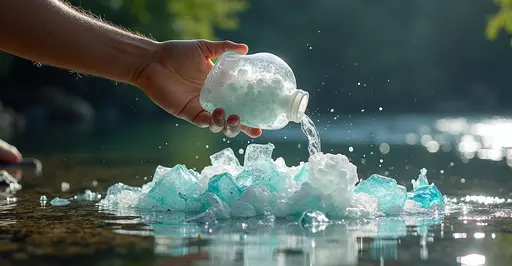
As microplastic pollution continues to threaten aquatic ecosystems worldwide, innovative detection technologies and comprehensive river cleanup campaigns are gaining momentum in 2025. Microplastics - synthetic particles smaller than 5mm - enter rivers from various sources including synthetic textiles, tire abrasion, and degraded plastic waste, posing significant environmental and health risks due to their ability to absorb toxins and disrupt endocrine systems.
Advanced Detection Methods
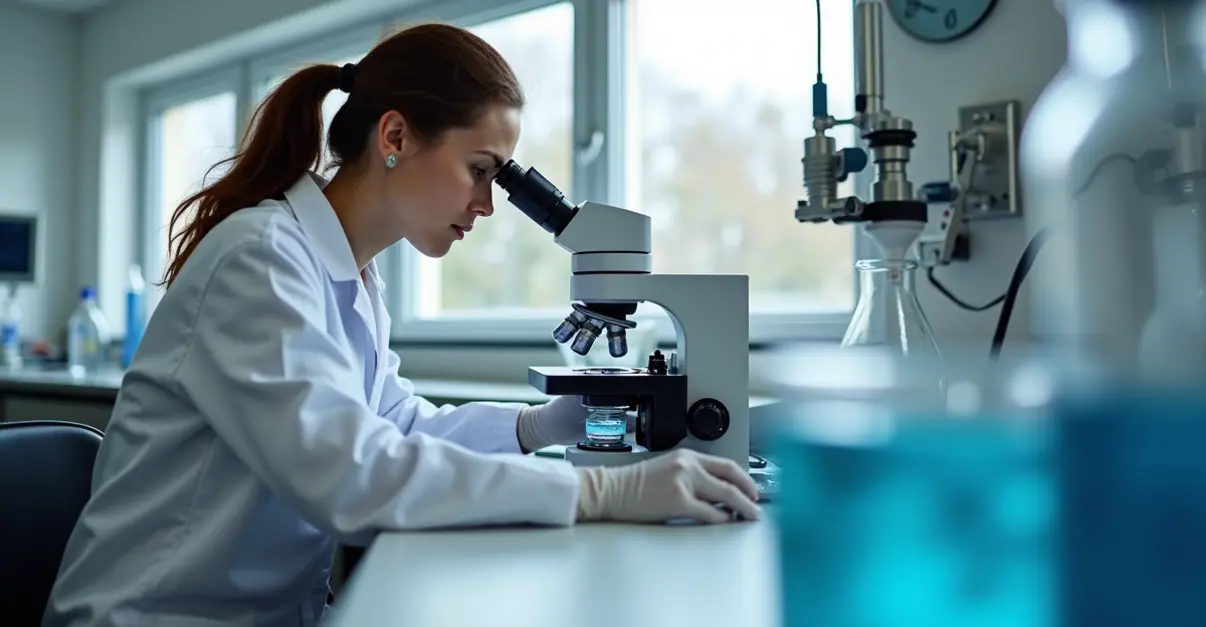
Recent technological breakthroughs are revolutionizing how we identify and monitor microplastic contamination. 'The integration of AI technologies, particularly machine learning algorithms, has significantly enhanced detection efficiency and precision,' explains Dr. Sarah Chen, an environmental scientist at Stanford University. 'Combining ReliefF algorithms with Raman spectroscopy improved identification accuracy from 83.1% to 97.7% for similar plastic types.'
Researchers are deploying multiple detection approaches including spectroscopic analysis (Raman and FTIR), thermal analysis methods, and advanced computer vision models like YOLOv8 for floating macroplastic debris monitoring. Acoustic Doppler Current Profilers (ADCP) are also being used for macroplastic detection in river systems, providing real-time data on plastic concentrations across different river sections.
Cleanup Campaigns and Removal Technologies
River cleanup initiatives are adopting sophisticated removal strategies that address microplastics at multiple stages. 'We're seeing promising results from integrated approaches that combine conventional methods with innovative technologies,' notes Mark Rodriguez, director of the River Cleanup Alliance. 'Membrane filtration, magnetic separation, and electrochemical methods show better performance across microplastic size ranges, though cost and energy limitations remain challenges.'
Community-led campaigns are implementing three-phase strategies: source control through retailer partnerships to reduce single-use packaging, transport pathway interventions using mapped stormwater drains with low-cost grate filters and capture nets, and recovery efforts through standardized community cleanups with material sorting and recycling partnerships. These initiatives have demonstrated the ability to intercept over 2 metric tons of plastic annually in targeted river systems.
Policy Interventions and Regulatory Landscape
Government action is accelerating in 2025 with significant regulatory developments at both federal and state levels. The bipartisan Microplastics Safety Act (H.R. 4486) directs the FDA to study human health impacts of microplastics in food and water, while the Plastic Health Research Act (H.R. 4903) seeks $10 million annually from 2026-2030 for microplastics research centers.
'The regulatory landscape is becoming increasingly complex, with federal frameworks potentially addressing state-to-state jurisdictional differences,' observes environmental attorney Lisa Thompson. 'California's proposal to add microplastics to its Candidate Chemicals List could open the door for future regulation of consumer products.'
State-level actions include Oregon's expanded plastic bag ban effective 2027 and Illinois' hotel small plastic bottle ban implemented in July 2025. The EPA's National Strategy to Prevent Plastic Pollution outlines an ambitious 10-year vision to eliminate plastic waste release into the environment by 2040, emphasizing circular economy principles.
Future Directions and Challenges
Despite technological advances, significant challenges remain. Standardized protocols for consistent sampling and detection are needed, along with systematic risk assessment methodologies. Biological approaches using bacteria, fungi, and algae offer eco-friendly alternatives by breaking down microplastics into less harmful components, though scaling these solutions remains difficult.
'Future directions emphasize integrating technologies for enhanced efficiency, developing novel materials, and optimizing system designs to reduce costs and environmental impact,' says Dr. Chen. 'Advancing biotechnological solutions is critical for addressing the complex nature of microplastic pollution and ensuring safer water supplies.'
As research continues to inform policy development, the combination of advanced detection technologies, comprehensive cleanup campaigns, and thoughtful policy interventions offers hope for addressing the growing threat of microplastic pollution in our rivers and waterways.




Follow Discussion