


 Deutsch
 English
 Español
 Français
 Nederlands
 Português


 Share
Share




Groundbreaking Material Absorbs CO2 During Curing Process
A revolutionary carbon-negative concrete is being tested in urban infrastructure projects, marking a significant advancement in sustainable construction technology. This innovative material not only reduces carbon emissions during production but actively absorbs carbon dioxide from the atmosphere throughout its lifespan.
How Carbon-Negative Concrete Works
The new concrete formulation incorporates specialized additives and mineral compounds that enable carbon sequestration during the curing process. Unlike traditional Portland cement, which accounts for approximately 8% of global CO2 emissions, this material uses alternative binders that react with atmospheric carbon dioxide to strengthen the concrete while trapping carbon within its matrix.
The technology works through a process where the concrete actively pulls CO2 from the air during hydration and continues to absorb carbon throughout its service life. This creates a net-negative carbon footprint, meaning the concrete removes more CO2 from the atmosphere than was emitted during its production.
Urban Infrastructure Applications
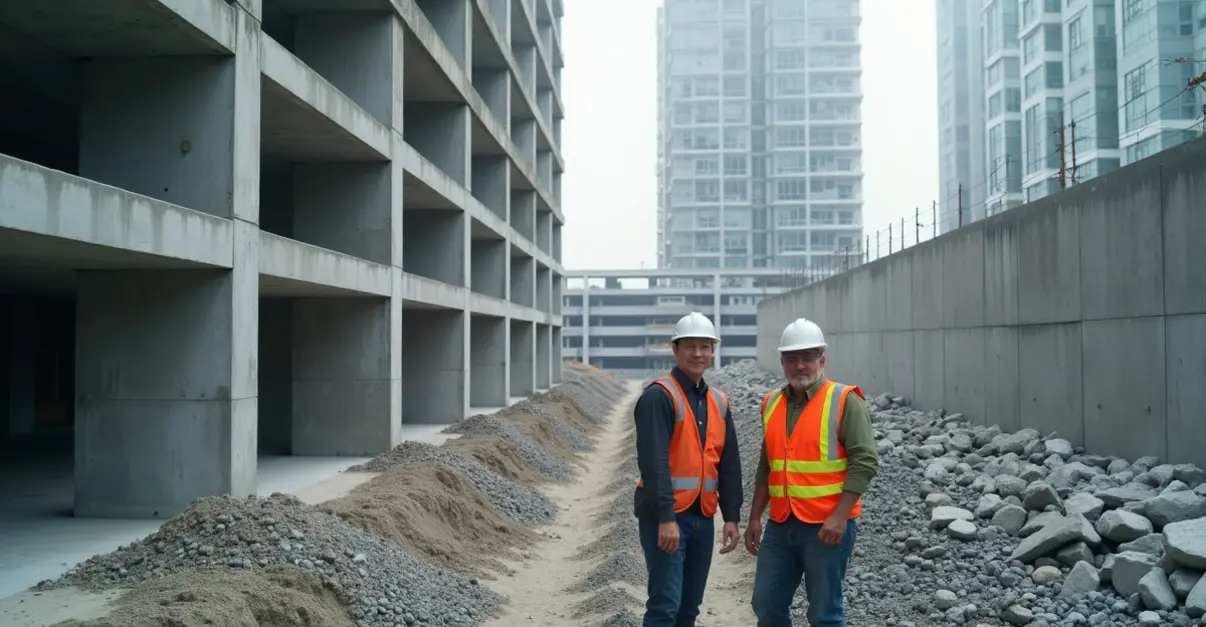
Current testing focuses on urban infrastructure applications including sidewalks, roadways, building foundations, and retaining walls. Early results show promising performance characteristics with compressive strength matching or exceeding traditional concrete while providing the environmental benefit of carbon sequestration.
Municipal governments and construction companies are particularly interested in this technology as cities worldwide seek solutions to reduce their carbon footprints. The material could play a crucial role in meeting climate targets while maintaining necessary infrastructure development.
Environmental Impact and Scalability
If widely adopted, carbon-negative concrete could transform the construction industry's environmental impact. Traditional concrete production is one of the largest industrial sources of greenhouse gas emissions, contributing significantly to climate change. This new technology offers a pathway to not only reduce emissions but actively remove carbon from the atmosphere.
The scalability of this innovation makes it particularly attractive. Concrete is the second-most used substance on Earth after water, with global production exceeding 4 billion tons annually. Even partial adoption of carbon-negative concrete could result in substantial carbon removal from the atmosphere.
Future Developments and Challenges
Researchers are working to optimize the material's properties for various applications while maintaining cost competitiveness with traditional concrete. Current challenges include ensuring long-term durability, developing standardized testing protocols, and creating supply chains for the specialized additives required.
Several companies and research institutions are advancing different approaches to carbon-negative concrete, including the use of industrial waste products, novel cement formulations, and carbon capture integration during manufacturing. The convergence of these technologies promises to accelerate the adoption of sustainable building materials across the construction industry.



Follow Discussion