
 Deutsch
 English
 Español
 Français
 Nederlands
 Português






TotalEnergies Wind Farm Settlement: $928M Deal With Trump Explained
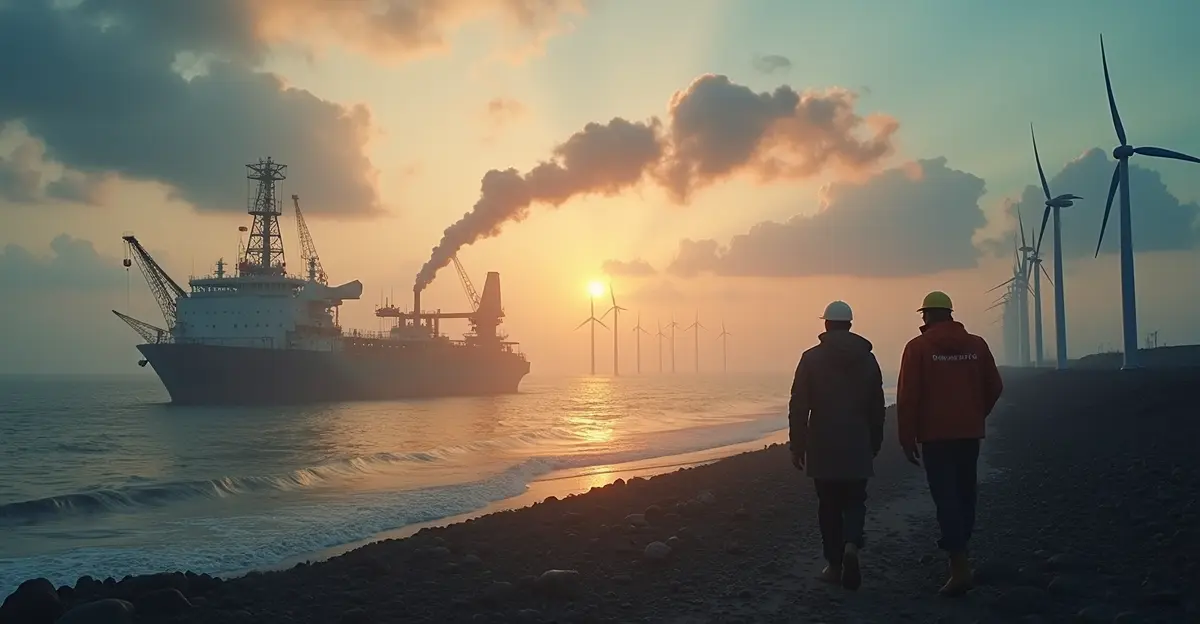
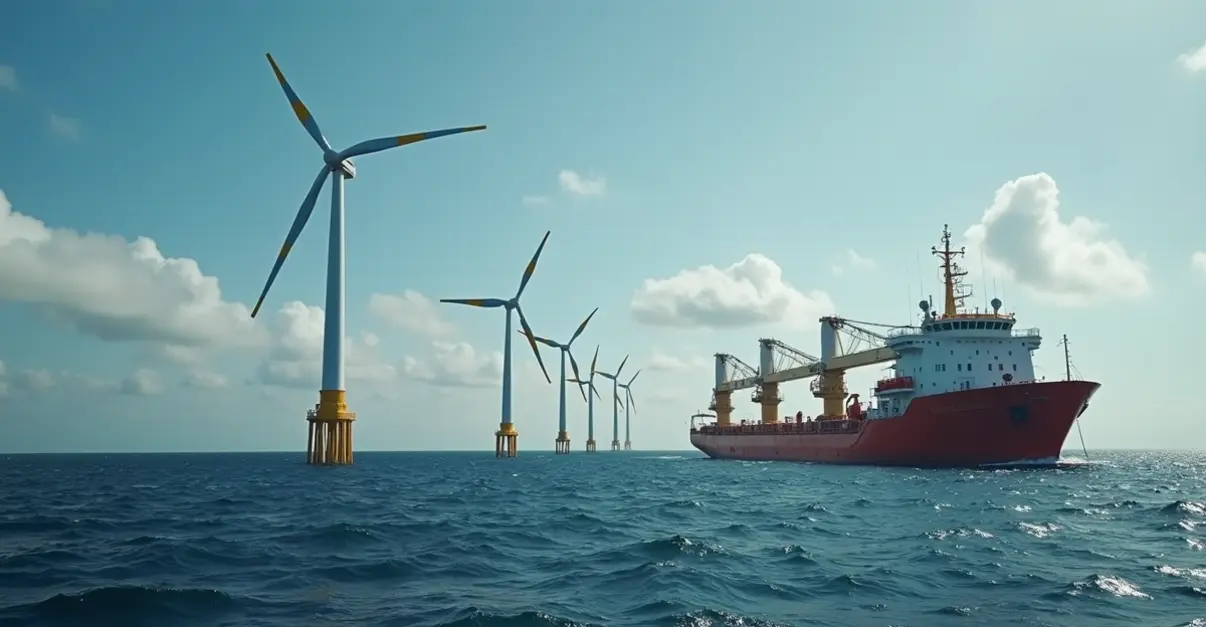
In a landmark energy policy development, French energy giant TotalEnergies has agreed to abandon two major offshore wind farm projects along the U.S. East Coast in exchange for a nearly $1 billion settlement from the Trump administration. The $928 million deal, announced on March 23, 2026, represents one of the most significant reversals of renewable energy policy in recent American history and signals a dramatic shift toward fossil fuel investments under President Trump's second term.
What is the TotalEnergies Wind Farm Settlement?
The TotalEnergies wind farm settlement is a $928 million agreement between the French multinational energy company and the U.S. Department of the Interior. Under the terms of the deal, TotalEnergies will receive full reimbursement for the 2022 lease payments it made for offshore wind development rights, while simultaneously committing to invest the returned funds into American oil and gas projects. The agreement effectively cancels two planned wind farms that would have contributed significantly to the U.S. renewable energy transition.
Background: Trump's Energy Policy Shift
Since his re-election in 2024, President Trump has aggressively pursued an energy agenda focused on expanding domestic fossil fuel production while curtailing renewable energy development. The TotalEnergies settlement represents the latest in a series of moves to dismantle the Biden administration's climate initiatives. Trump has repeatedly expressed opposition to wind energy, citing concerns about national security, visual pollution, and economic viability.
'Because other technologies are available to meet the growing electricity demand in the U.S. in a cheaper way, TotalEnergies finds it unnecessary to invest further in wind energy,' stated the company in its official announcement.
Key Details of the $928 Million Agreement
Financial Terms and Conditions
The settlement includes several critical components:
- Full Reimbursement: TotalEnergies receives $928 million for its 2022 offshore wind lease payments
- Investment Requirement: The company must invest the returned funds in U.S. oil and gas projects
- Project Cancellation: Two offshore wind farms along the East Coast are permanently abandoned
- No Future Development: TotalEnergies agrees not to pursue additional wind energy projects in U.S. waters
Political Context and Signing
The agreement was signed during an energy summit in Houston, Texas, by TotalEnergies CEO Patrick Pouyanne and U.S. Secretary of the Interior Doug Burgum. The timing coincides with Trump's broader efforts to reshape American energy policy through executive actions and regulatory changes.
Impact on U.S. Renewable Energy Goals
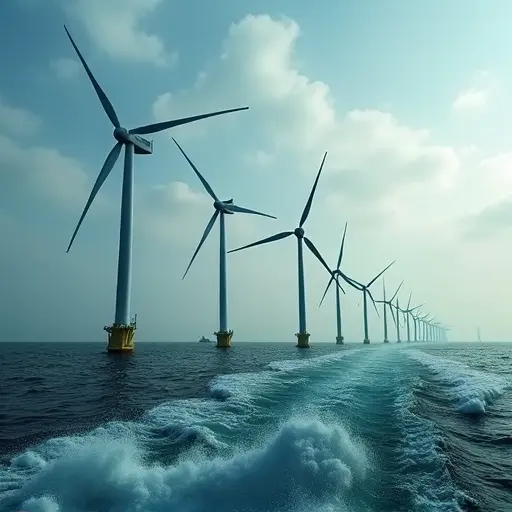
The cancellation of these wind projects represents a significant setback for America's renewable energy ambitions. The two offshore wind farms would have:
- Generated enough electricity to power approximately 500,000 homes
- Created thousands of jobs in manufacturing, installation, and maintenance
- Reduced carbon emissions by millions of tons annually
- Strengthened energy security through domestic renewable production
The Department of the Interior defended the agreement, stating: 'The American people will no longer pay for ideological subsidies that only benefited the unreliable and expensive offshore wind industry.'
Environmental and Industry Reactions
Environmental groups have strongly condemned the settlement. Lena Moffitt, executive director of climate group Evergreen Action, criticized the deal: 'After repeatedly losing in court over his illegal bans on wind energy projects, Trump has found another way to obstruct offshore wind energy: paying companies to leave.'
The agreement follows several legal battles where federal courts blocked Trump's attempts to halt wind projects. In late 2025, a federal judge struck down Trump's order to stop a nearly completed megawind farm off the coast of Rhode Island, calling the prohibition 'arbitrary, capricious, and contrary to law.'
Broader Implications for Energy Policy
This settlement establishes a precedent that could affect other renewable energy projects and international energy companies operating in the United States. Key implications include:
Investment Shifts
The requirement that TotalEnergies invest settlement funds in fossil fuel projects represents a deliberate policy to redirect capital from renewables to traditional energy sources. This aligns with Trump's campaign slogan 'Drill, baby, drill' and his broader agenda of American energy dominance through fossil fuel expansion.
International Relations
The deal between a French company and the U.S. government occurs amid ongoing tensions between European climate policies and American energy priorities. It may influence how other international energy firms approach U.S. market opportunities and regulatory environments.
Legal and Regulatory Framework
The settlement bypasses previous court rulings that had protected wind energy projects, creating a new mechanism for the administration to achieve its policy goals without direct regulatory action.
Frequently Asked Questions (FAQ)
What wind projects are being canceled?
TotalEnergies is abandoning two offshore wind farm projects along the U.S. East Coast that were in development stages. Specific locations haven't been disclosed, but they were part of the company's 2022 lease acquisitions.
Why is Trump against wind energy?
President Trump has cited national security concerns, economic factors, and aesthetic objections to wind turbines. He believes fossil fuels provide more reliable and cost-effective energy solutions for America.
Can other wind projects be affected?
Yes, this settlement creates a precedent that could encourage similar deals with other energy companies, potentially affecting additional renewable energy projects across the country.
What happens to the $928 million?
TotalEnergies must invest the entire amount in U.S. oil and gas projects, though specific investment targets haven't been publicly identified.
Is this settlement legal?
While environmental groups question its legality, the Department of the Interior maintains the agreement is an 'innovative' solution that serves American interests.
Sources
U.S. Department of the Interior Press Release
Follow Discussion