Deutsch
 English
 Español
 Français
 Nederlands
 Português

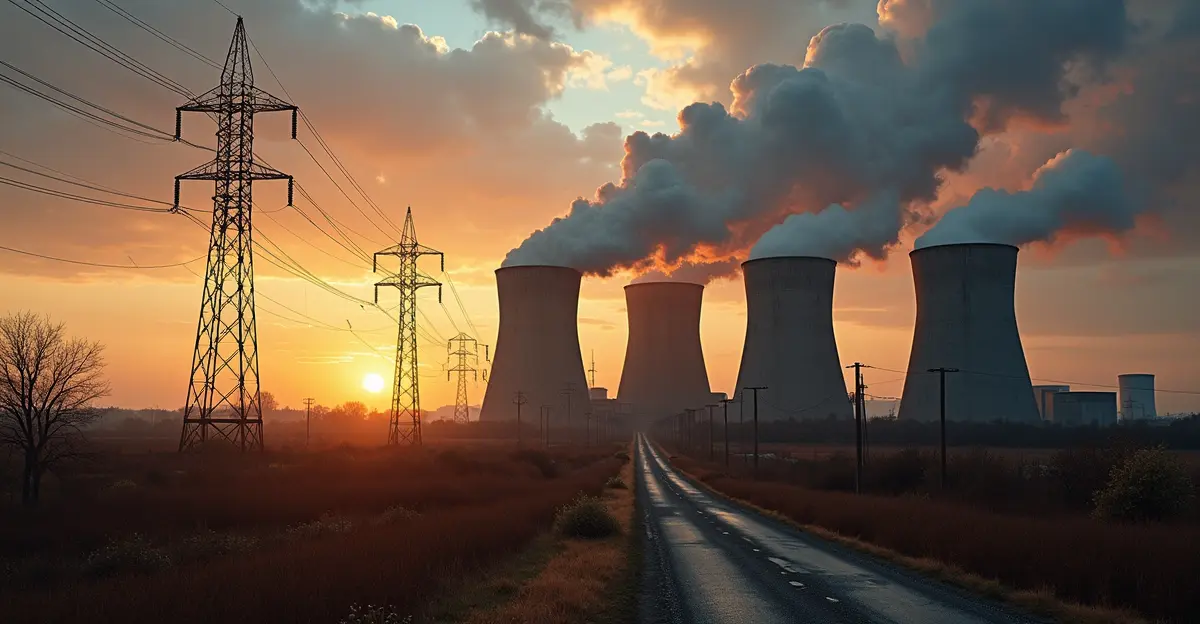





The Growing Tension Between Grid Reliability and Coal Retirement
As 2026 approaches, the debate over coal phase-outs has reached a critical juncture, with grid stress emerging as the central battleground between climate advocates, policymakers, and energy companies. The tension between maintaining reliable electricity supplies and accelerating the transition away from fossil fuels is creating complex challenges for markets, communities, and regulators across the United States.
The Numbers Tell a Story of Accelerated Transition
According to recent data from the Institute for Energy Economics and Financial Analysis, U.S. power companies have announced the closure or conversion of 9,356 megawatts of coal-fired capacity in 2025 alone. This continues a steady trend away from coal, with the average age of retiring units reaching 50 years. 'These closures represent careful planning by utilities and state regulators who have been preparing for this transition for years,' says energy analyst Mark Jenkins. 'The economic reality is that maintaining these aging facilities has become increasingly expensive compared to cleaner alternatives.'
The U.S. Energy Information Administration projects coal capacity will decline from 172 gigawatts in May 2025 to 145 gigawatts by the end of 2028, with 58% of retirements concentrated in the Midwest and Mid-Atlantic regions. However, as noted in a New York Times analysis, nearly one-third of coal units with planned retirement dates between 2017 and 2025 have had their lives extended, creating uncertainty in the transition timeline.
Grid Stress: The New Reality of Energy Transition
The rapid retirement of coal plants is colliding with growing electricity demand and the intermittent nature of renewable energy sources, creating unprecedented grid stress. 'We're seeing a perfect storm of factors,' explains grid reliability expert Dr. Sarah Chen. 'On one hand, we have aging coal infrastructure that's becoming increasingly expensive to maintain. On the other, we have growing demand from electric vehicles, data centers, and industrial electrification, while renewable sources like solar and wind can't always provide consistent power.'
This tension is particularly acute during extreme weather events. During the 2025 heatwaves, several regional grids experienced near-miss situations where demand nearly exceeded available capacity. 'The margin for error is getting thinner,' warns Chen. 'We need to accelerate investment in grid modernization, energy storage, and transmission infrastructure to match the pace of coal retirements.'
Policy Crossroads: Federal vs. State Approaches
The policy landscape has become increasingly fragmented. According to the State Climate Policy Dashboard, states like Washington have mandated coal phase-outs by 2025, while Oregon targets 2030, and Colorado aims for 100% renewable energy by 2040. However, federal policy shifts have created uncertainty, with the EPA reconsidering several key regulations affecting coal plants.
'What we're seeing is a patchwork of approaches that creates challenges for regional grid operators,' notes policy analyst Michael Rodriguez. 'Some states are racing ahead with ambitious phase-out schedules, while others are extending plant lifetimes. This inconsistency makes it difficult to plan for regional reliability.'
The situation is further complicated by what Inside Climate News describes as a looming energy affordability crisis in 2026, driven by rising natural gas prices and policy uncertainty. Forecasts suggest natural gas prices could nearly double from $2.19 to $4.01 per billion BTUs between 2024-2026, putting additional pressure on electricity costs.
Market Implications and Community Impacts
The transition away from coal has significant implications for electricity markets and local communities. Wholesale electricity prices have become more volatile as the grid loses dispatchable coal capacity. 'We're seeing increased price spikes during peak demand periods,' reports energy trader Lisa Washington. 'The markets are struggling to adjust to having less predictable baseload power available.'
For communities that have long depended on coal plants for employment and tax revenue, the transition presents both challenges and opportunities. 'We can't just shut down plants without planning for what comes next,' emphasizes community organizer James Wilson from West Virginia. 'We need investment in workforce retraining, economic diversification, and infrastructure that supports new industries. The transition must be just, not just fast.'
Energy storage technologies, particularly battery systems, are emerging as a critical solution. U.S. battery storage capacity surged 43% to over 39 gigawatts in 2025, according to U.S. News analysis, helping to reshape power grids in California and Texas by providing flexibility when renewable generation fluctuates.
The Path Forward: Balancing Urgency with Reliability
As the debate intensifies, experts agree that several key strategies are needed: accelerated investment in grid modernization and transmission infrastructure; expanded deployment of energy storage technologies; development of more flexible demand response programs; and comprehensive planning for affected workers and communities.
'The coal phase-out debate is no longer just about climate goals,' concludes Dr. Chen. 'It's become a complex balancing act between environmental urgency, economic reality, and grid reliability. We need smart policies that address all three dimensions simultaneously.'
With 2026 expected to bring both continued coal retirements and growing electricity demand, the pressure on policymakers, grid operators, and communities will only intensify. The coming year may well determine whether the United States can navigate this transition smoothly or faces increasing reliability challenges.