Deutsch
 English
 Español
 Français
 Nederlands
 Português






Major Offshore Wind Project Gets Green Light Despite Political Headwinds
In a significant development for America's renewable energy sector, the SouthCoast Wind Project has received federal approval, marking the nation's eleventh commercial-scale offshore wind energy project. The Bureau of Ocean Energy Management (BOEM) granted final approval on January 17, 2025, for what will become one of the largest offshore wind developments in U.S. history.
Project Details and Scale
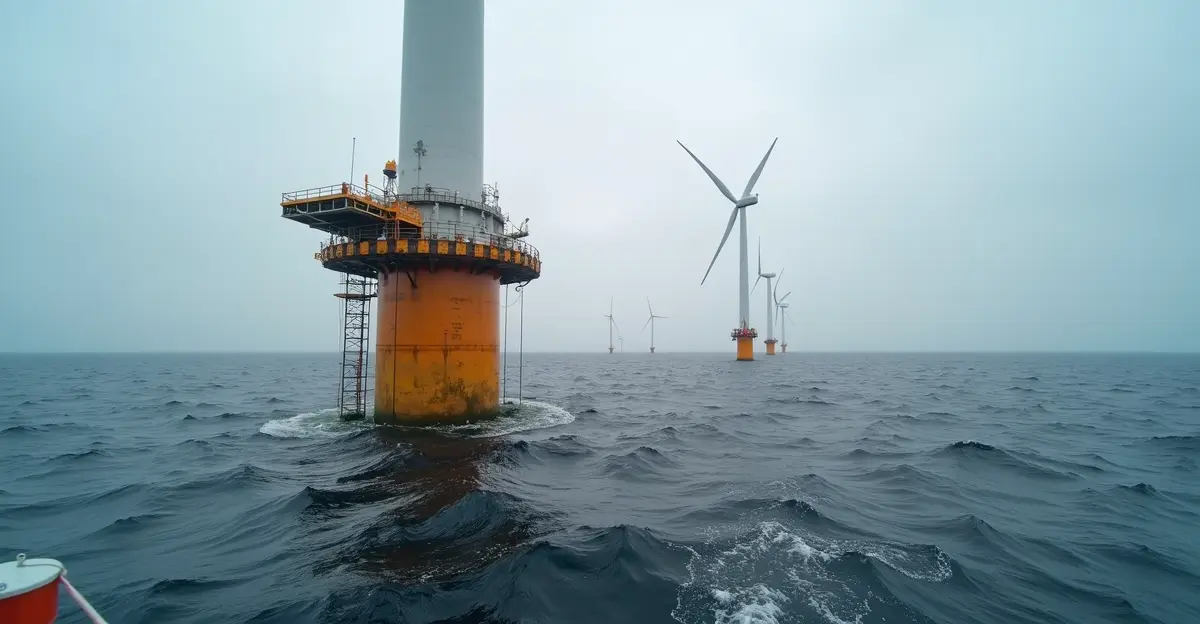
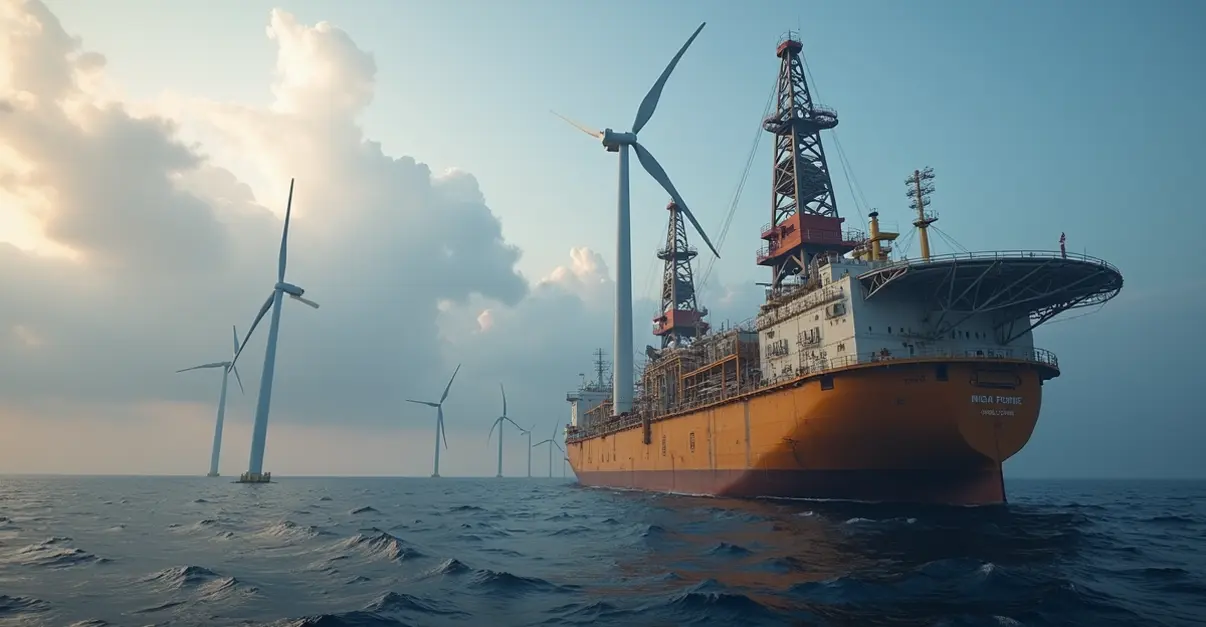
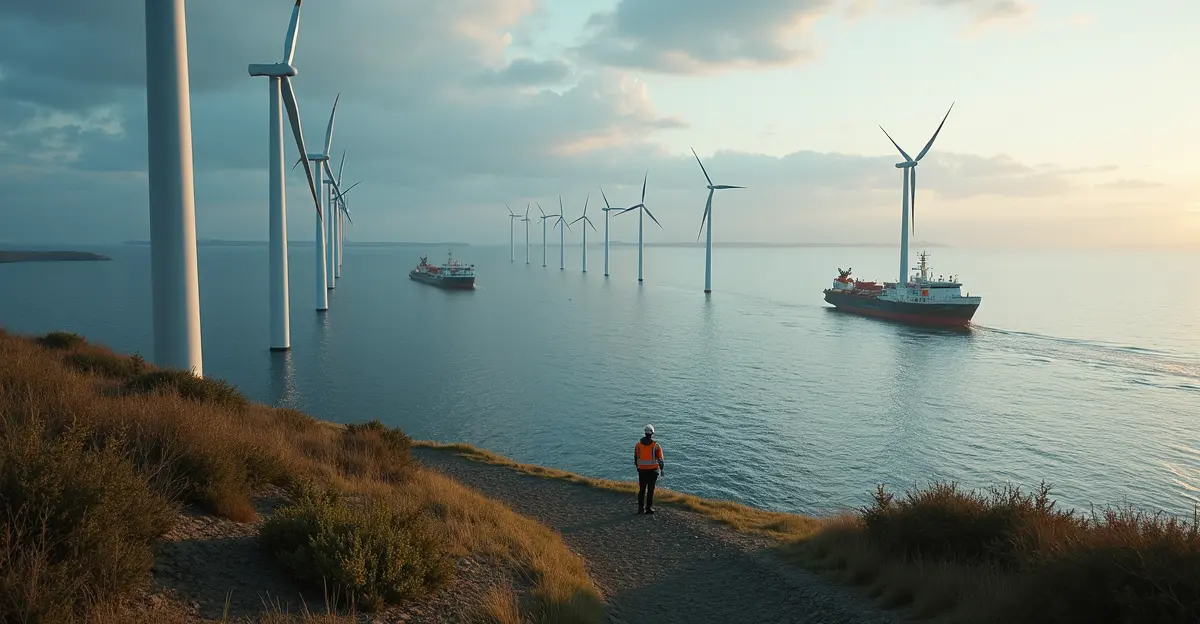
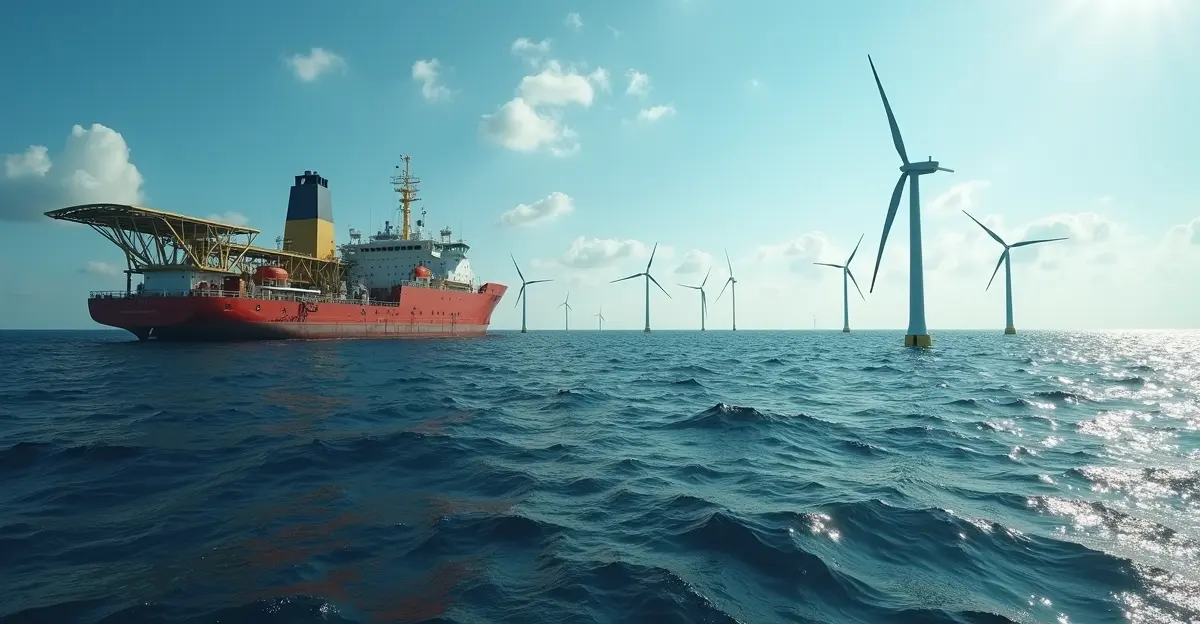
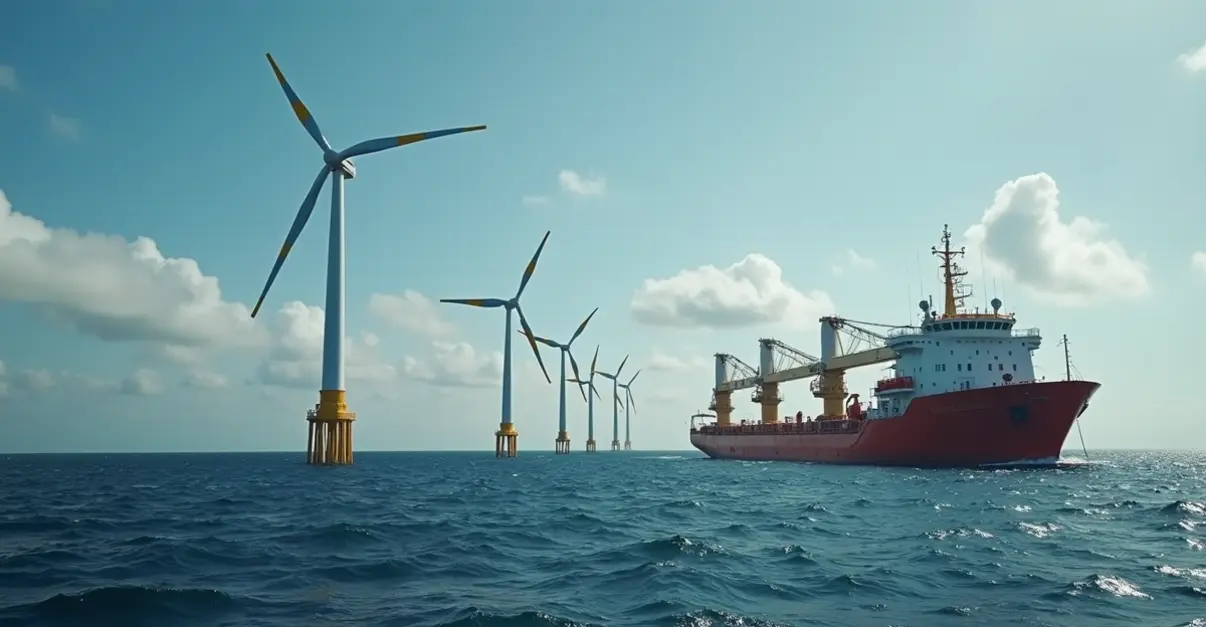
The SouthCoast Wind Project, formerly known as Mayflower Wind, will be located approximately 26 nautical miles south of Martha's Vineyard and 20 nautical miles south of Nantucket, Massachusetts. Covering 127,388 acres in federal waters, the project has the capacity to generate up to 2,400 megawatts of clean energy—enough to power over 840,000 homes across New England.
The approved plan includes construction of up to 141 wind turbine generators, up to five offshore substation platforms, and up to eight export cables that could make landfall at Brayton Point or Falmouth, Massachusetts. 'This approval represents a monumental step forward for clean energy in New England,' said a BOEM spokesperson in their official announcement.
Policy Context and Legal Battles
The approval comes amid significant political turbulence in U.S. energy policy. In January 2025, President Trump issued a memorandum withdrawing offshore wind leasing areas and directing agencies to pause new wind project approvals. However, on December 8, 2025, a Massachusetts federal court struck down this executive action, ruling it illegal under the Administrative Procedure Act.
Judge Patti Saris determined the administration's order was 'arbitrary and capricious' and that agencies had failed to provide reasoned decision-making, merely citing presidential direction as justification. This legal victory for renewable energy advocates came just weeks before the Trump administration paused leases for five major East Coast offshore wind projects on December 22, 2025, citing national security concerns about radar interference.
Economic and Environmental Implications
The SouthCoast Wind Project represents more than just energy generation—it's a major economic driver for the region. The development is expected to create thousands of jobs during construction and hundreds of permanent positions for operations and maintenance. 'This project will bring good-paying union jobs to our coastal communities while advancing our clean energy goals,' noted a Massachusetts state energy official.
Environmental considerations played a significant role in the approval process. BOEM required the removal of up to six turbine positions to reduce impacts on wildlife habitat near Nantucket Shoals. The project also includes comprehensive monitoring programs for marine mammals, birds, and fisheries.
State-Level Support and Transmission Approval
While federal approval was crucial, state-level support has been equally important. In November 2025, Rhode Island energy regulators approved SouthCoast Wind's transmission line plan, allowing power cables to run up the Sakonnet River and across Portsmouth to Mount Hope Bay. The Rhode Island Energy Facility Siting Board granted this approval despite ongoing uncertainties about federal permits.
'We're moving forward with state approvals because we believe in the long-term importance of this project for our region's energy security,' explained a Rhode Island regulatory official. The transmission approval includes a five-year sunset provision due to the federal uncertainties.
Market Implications and Industry Outlook
The SouthCoast Wind approval brings the total approved offshore wind capacity in the United States to over 19 gigawatts—enough to power more than 6 million homes. This represents significant progress from zero approved projects when the Biden administration began, though it still falls short of the ambitious goal of 30 gigawatts by 2030.
The offshore wind industry faces continued challenges, including supply chain constraints, rising costs, and regulatory uncertainty. However, projects like SouthCoast Wind demonstrate that despite political headwinds, the economic and environmental case for offshore wind remains strong. 'The market fundamentals for offshore wind are solid,' commented an industry analyst. 'Even with policy changes, the long-term trajectory is toward more renewable energy development.'
Community Impact and Future Prospects
Local communities have expressed mixed reactions to the project. While many welcome the economic benefits and clean energy, others have raised concerns about visual impacts, fishing grounds, and marine ecosystems. The project developers have committed to community benefit agreements and ongoing engagement with stakeholders.
Looking ahead, the future of offshore wind in the U.S. will depend on several factors: continued technological innovation, resolution of regulatory uncertainties, and the outcome of ongoing legal challenges. The SouthCoast Wind Project approval, while significant, exists within a complex landscape of competing policy priorities and market forces.
As one environmental advocate put it: 'This approval shows that clean energy progress can continue even in challenging political environments. But we need consistent, long-term policy support to fully realize the potential of offshore wind.'
The SouthCoast Wind Project now moves into the next phase of development, with construction expected to begin in 2026 and full operations targeted for the early 2030s. Its success or failure will likely influence the trajectory of offshore wind development along the entire Atlantic coast for years to come.