


 Deutsch
 English
 Español
 Français
 Nederlands
 Português


 Share
Share




Bulgaria's Historic Transition to the Euro
Bulgaria is poised to adopt the euro on January 1, 2026, becoming the 21st member of the Eurozone. The European Commission recently approved this transition after Bulgaria met strict convergence criteria, including price stability and sustainable public finances. The decision now awaits final endorsement from the European Council and ECOFIN ministers.
Mixed Reactions Among Citizens
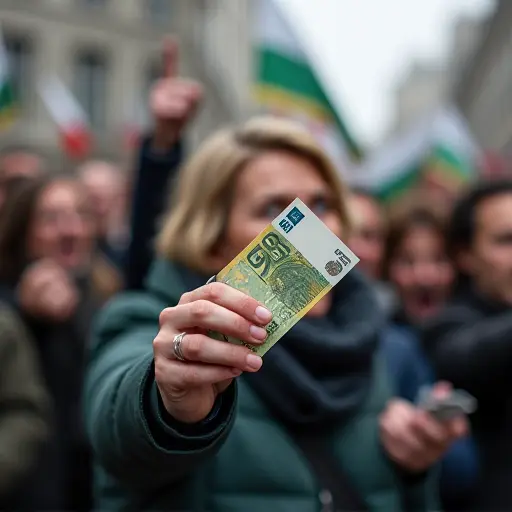
While the government celebrates this milestone, public sentiment remains divided. Recent Eurobarometer surveys show only 43% of Bulgarians support the transition, down 3 percentage points from late 2024. Concerns center on potential inflation spikes and loss of national identity symbolized by the lev, Bulgaria's currency since 1881. Prime Minister Rosen Zhelyazkov hailed the move as the culmination of years of reforms, while pro-Russian opposition parties continue staging protests demanding national sovereignty.
Lessons from Previous Adoptions
Spain, among the first Eurozone members, saw its economy grow tenfold post-adoption but now faces IMF pressure to adjust budgets due to defense spending and aging populations. Portugal experienced modernization benefits but lost monetary policy control during the 2008 debt crisis. Croatia, the most recent member (2023), maintains high inflation despite economic growth. Croatia's experience highlights the challenge of public perception versus economic reality.
Eurozone Holdouts and Special Cases
Several EU nations remain outside the Eurozone. Denmark maintains a formal opt-out, while Sweden indefinitely avoids membership despite lacking an official exemption. The Czech Republic recently declined to set an adoption timeline due to minimal public support. Meanwhile, Bosnia and Herzegovina uses a currency board pegged to the euro without formal membership, enjoying stability but risking monetary policy control.
Digital Euro Misconceptions
European Central Bank plans for a potential digital euro continue to face misinformation campaigns. The ECB clarifies this would complement physical cash, not replace it, and dismissed surveillance concerns. Final preparations continue in Bulgaria, with dual-pricing systems and updated ATMs being implemented nationwide.





Follow Discussion