Nederlands
 English
 Deutsch
 Français
 Español
 Português






The Rise of Blue-Collar Jobs in the Modern Economy
In recent years, blue-collar jobs have undergone a significant transformation, emerging as highly sought-after roles in the labor market. Traditionally associated with manual labor, these jobs are now being recognized for their rising wages, benefits, and the respect they command, especially in trades and green energy sectors.
Growing Demand and Rising Wages
The demand for skilled labor in trades such as electricians, plumbers, and construction workers has surged, driven by infrastructure projects and the push for renewable energy. According to recent data, wages for these roles have increased by an average of 15% over the past five years, outpacing many white-collar professions. This shift is partly due to the dwindling supply of skilled workers, as younger generations have historically favored college degrees over vocational training.
Benefits and Job Security
Beyond wages, blue-collar jobs now offer competitive benefits, including health insurance, retirement plans, and paid leave. Many employers are also investing in apprenticeship programs to attract and retain talent. The stability of these roles is another draw, as they are less susceptible to automation compared to some white-collar jobs.
The Green Energy Boom
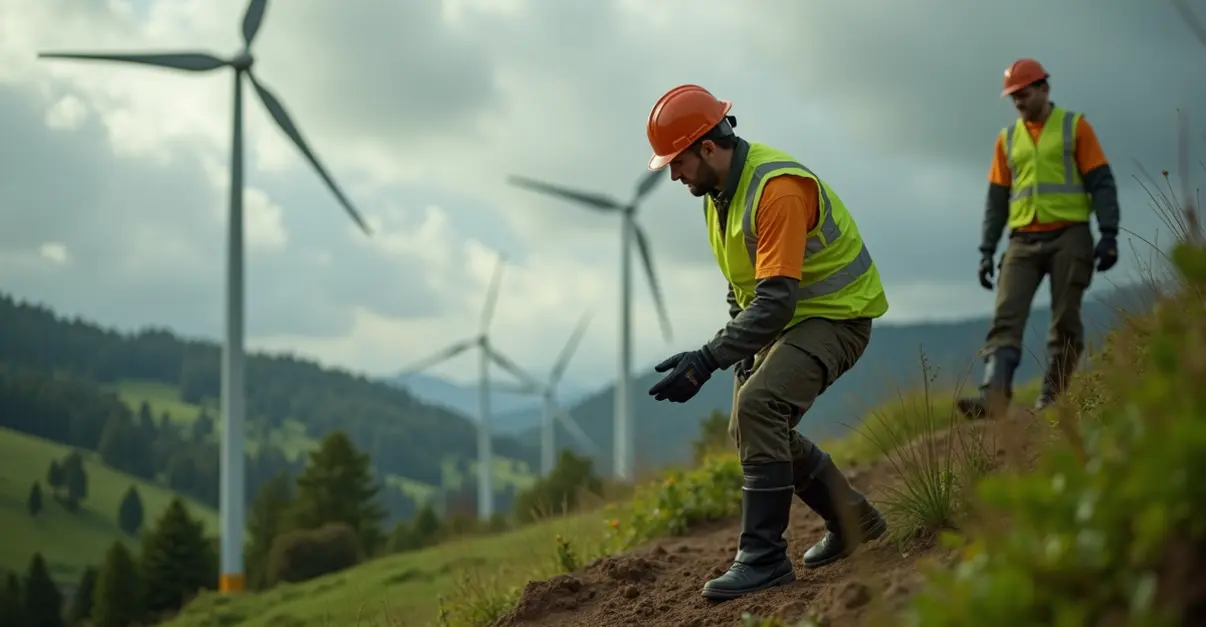
The green energy sector has further elevated the status of blue-collar work. Jobs in solar panel installation, wind turbine maintenance, and energy efficiency auditing are not only well-paying but also contribute to environmental sustainability. The U.S. Bureau of Labor Statistics projects a 20% growth in green energy jobs by 2030, making them a cornerstone of the future economy.
Changing Perceptions
Societal attitudes toward blue-collar work are shifting. Once stigmatized as "lesser" jobs, these roles are now celebrated for their essential contributions to society. The COVID-19 pandemic highlighted the critical nature of these jobs, further boosting their prestige.
In conclusion, blue-collar jobs are no longer the overlooked backbone of the economy—they are its new gold standard, offering financial stability, job security, and a sense of purpose.