


 Deutsch
 English
 Español
 Français
 Nederlands
 Português


 Share
Share




Global Poverty Reduction Grinds to a Halt
The World Bank's 2024 Poverty, Prosperity, and Planet Report reveals a grim reality: progress against extreme poverty has nearly stalled. Approximately 700 million people (8.5% of humanity) survive on less than $2.15 daily. Without urgent action, ending extreme poverty could take over a century. COVID-19 setbacks, low economic growth, and increasing fragility have reversed gains, with poverty rates in low-income countries now higher than pre-pandemic levels.
Sub-Saharan Africa Bears the Brunt
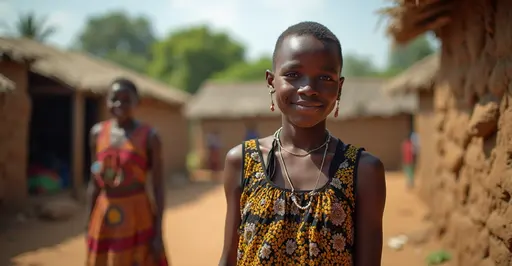
Regional disparities are stark: Sub-Saharan Africa hosts 67% of the global extreme poor despite having only 16% of the world's population. When including fragile states, this rises to 75%. Shockingly, 72% of extreme poor live in International Development Association-eligible countries. The $6.85/day poverty line (relevant for middle-income nations) shows even bleaker trends - 3.5 billion people remain below this threshold, unchanged since the 1990s.
Shared Prosperity Stalls Amid Inequality
The report introduces the Global Prosperity Gap, measuring distance from a $25/day prosperity threshold. Progress has flatlined since 2020, reflecting worsening income inequality. About 20% of the global population lives in high-inequality countries, concentrated in Sub-Saharan Africa and Latin America. At current rates, upper-middle-income nations would need 100 years to close this gap.
Triple Threat of Climate Change
Climate emergencies now jeopardize poverty reduction: 1 in 5 people face lifetime risk of extreme weather disasters. Without intervention, these hazards will intensify. The solution requires dual approaches: building climate resilience through risk management and reducing emissions intensity of economic growth. High-income nations produce 80% of global emissions yet experience fewer climate impacts than vulnerable poor countries.
Pathways Forward: Tailored Approaches
The World Bank proposes differentiated strategies:
- Low-income countries: Prioritize growth and multidimensional poverty reduction
- Middle-income nations: Focus on vulnerability reduction and green growth synergies
- Wealthy economies: Accelerate low-carbon transitions while managing costs
Data Revolution Needed
Only half of countries have current poverty data. The report urges massive investment in statistical systems, leveraging AI and machine learning to fill gaps. Better tracking of multidimensional poverty, climate vulnerability, and inequality is essential for effective policymaking.
The World Bank concludes that ending poverty on a livable planet remains possible but demands unprecedented global coordination and prioritization of the most vulnerable. Read the full report.





Follow Discussion