


 Deutsch
 English
 Español
 Français
 Nederlands
 Português


 Share
Share




Storm Nils 2026: 3 Dead, 450K Without Power in France & Spain
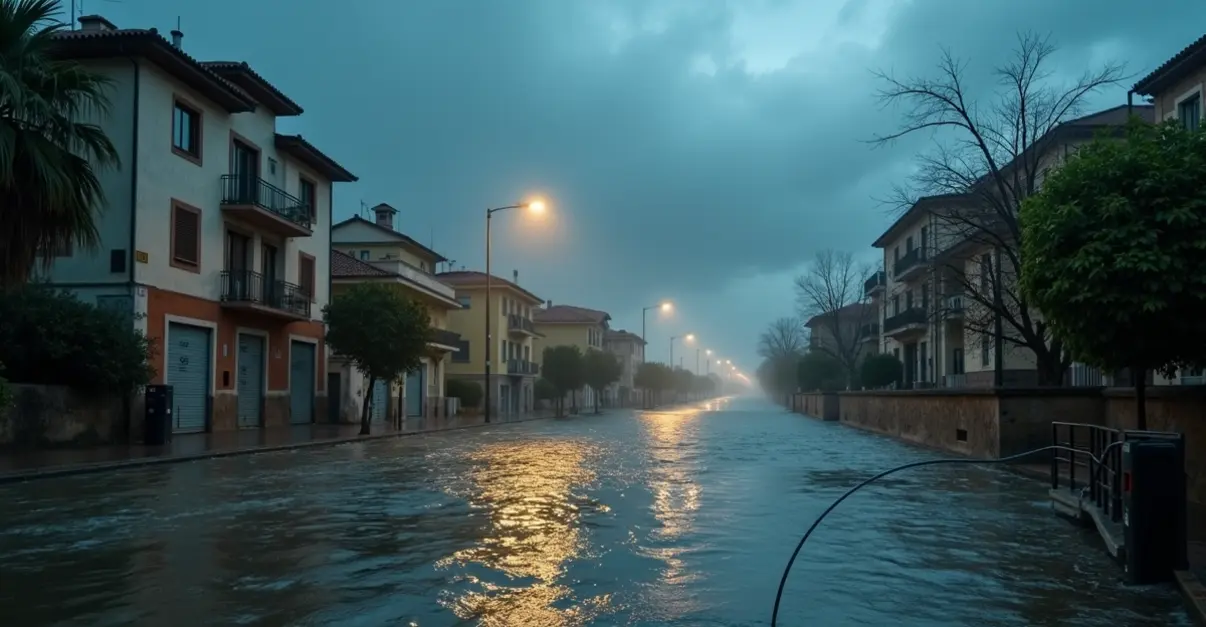
Storm Nils has unleashed devastating weather across southwestern Europe, claiming at least three lives and leaving approximately 450,000 households without power in France alone. The powerful Atlantic storm, which struck on February 12-13, 2026, brought hurricane-force winds up to 160 km/h (100 mph) and torrential rainfall, causing widespread destruction across France, Spain, and Portugal. This extreme weather event represents the latest in a series of climate-related disasters affecting the region.
What is Storm Nils?
Storm Nils is a powerful Atlantic weather system that developed in early February 2026 and rapidly intensified as it approached Western Europe. The storm brought exceptional wind speeds, heavy precipitation exceeding 50 mm/day in some areas, and caused significant flooding along major river systems. According to meteorological analysis, similar storms are now up to 10% wetter and 5% windier compared to historical conditions, with scientists attributing this intensification primarily to human-driven climate change.
Casualties and Damage Assessment
The human toll from Storm Nils includes three confirmed fatalities across France and Spain:
- France: Two deaths reported - a truck driver killed when a tree branch smashed through his windshield in Mées, and a man who fell from a ladder in his garden near Toulouse
- Spain: One woman killed in Barcelona when a warehouse roof collapsed during the storm
- Injuries: At least 26 people injured in France, with nine hospitalized in Catalonia including one critical case
Infrastructure Damage and Power Outages
The storm caused massive infrastructure damage across the affected regions:
| Country | Power Outages | Key Damage | Transport Disruptions |
|---|---|---|---|
| France | 450,000 households (down from 850,000 peak) | Flooded streets, fallen trees, damaged buildings | Road closures, train cancellations |
| Spain | Significant regional outages | Collapsed structures, coastal erosion | 100+ flights cancelled at Barcelona airport |
| Portugal | Regional power issues | Partially collapsed viaduct near Coimbra | Road closures due to flooding |
French electricity operator Enedis mobilized 3,000 workers to restore power, though flooding continues to complicate repair efforts. The Gironde department reported that 135,000 people lost mobile phone service due to network damage.
Emergency Response and Evacuations
Authorities across the affected regions implemented emergency measures:
- Weather Alerts: Meteo France issued orange and red alerts for 23 departments, with Gironde and Lot-et-Garonne under the highest red alert for flooding
- Evacuations: Portuguese authorities prepared to evacuate nearly 15,000 people if flooding worsens in the Coimbra region
- School Closures: Dozens of schools in southern France remained closed as a precautionary measure
- Transport Restrictions: Barcelona's El Prat airport cancelled over 100 flights, while parks and public spaces were closed across Catalonia
Climate Change Connection
Scientific analysis from ClimaMeter reveals that storms like Nils are becoming more intense due to climate change. The research shows:
- Similar storms are now 4 mm/day (10%) wetter than in the past
- Wind speeds have increased by up to 3 km/h (5%) in affected regions
- Temperature anomalies of +1 to +2°C contribute to more extreme precipitation
"The increasing intensity and frequency of such extreme weather events can be attributed primarily to human-driven climate change," according to climate researchers analyzing the storm's impacts. This follows a pattern of extreme weather events in Europe that have caused billions in damages in recent years.
Regional Impacts and Recovery Timeline
France: Southern Regions Hardest Hit
The Nouvelle-Aquitaine region suffered the most severe impacts, with the Garonne River reaching dangerous flood levels. Emergency services worked around the clock to assist stranded residents, with television footage showing reporters standing waist-deep in floodwaters near Bordeaux.
Spain: Catalonia Bears the Brunt
Catalonia experienced winds exceeding 105 km/h, forcing the closure of all parks in Barcelona and causing structural damage across the region. The Spanish meteorological agency AEMET maintained yellow and orange alerts for strong winds and precipitation.
Portugal: Infrastructure Damage
Portugal faced significant infrastructure challenges, including a partially collapsed viaduct that threatened transportation routes. Authorities monitored river levels closely as continued rainfall threatened additional flooding.
Economic and Social Consequences
The storm's impacts extend beyond immediate physical damage:
- Agriculture: Flooded fields threaten crop yields in important agricultural regions
- Tourism: Travel disruptions affect the vital tourism industry in southwestern Europe
- Insurance: Early estimates suggest damages could reach hundreds of millions of euros
- Supply Chains: Transportation disruptions affect regional and international trade
This event follows other recent weather disasters in Europe that have strained emergency response systems and highlighted the need for improved climate resilience infrastructure.
Frequently Asked Questions (FAQ)
How many people died in Storm Nils?
At least three people died - two in France and one in Spain. Additional fatalities may be confirmed as damage assessments continue.
When did Storm Nils hit Europe?
The storm struck southwestern Europe on February 12-13, 2026, with the most severe impacts occurring during this period.
What areas were most affected by Storm Nils?
Southern France (particularly Nouvelle-Aquitaine), northeastern Spain (especially Catalonia), and northern Portugal experienced the most severe impacts.
How is climate change connected to Storm Nils?
Scientific analysis shows similar storms are now 10% wetter and 5% windier than in the past, with these intensifications primarily attributed to human-driven climate change.
When will power be restored in affected areas?
French authorities have 3,000 workers restoring power, but flooding continues to complicate efforts. Some areas may experience extended outages.





Follow Discussion