Nederlands
 English
 Deutsch
 Français
 Español
 Português





Major Earthquake Strikes Off Japan's Coast, Triggering Tsunami Alert
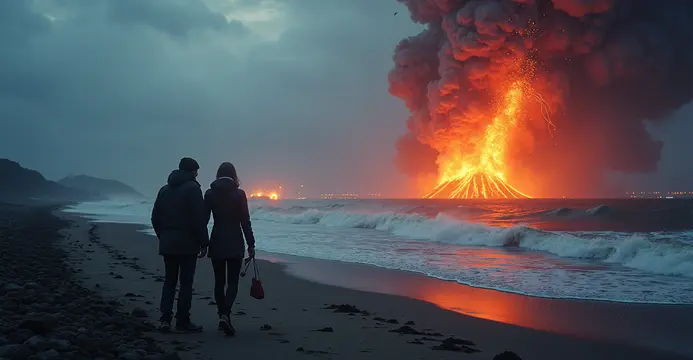
A powerful magnitude 7.6 earthquake struck off the northeastern coast of Japan on December 8, 2025, prompting immediate tsunami warnings and evacuation orders for approximately 90,000 coastal residents. The quake, which occurred at a depth of about 50 kilometers (31 miles) in the Pacific Ocean, was felt as far away as Tokyo, over 700 kilometers (435 miles) from the epicenter.
Immediate Response and Evacuation Orders
Japanese authorities swiftly issued tsunami warnings, predicting waves as high as 3 meters (10 feet) could hit coastal areas. The Japan Meteorological Agency reported initial tsunami waves measuring 70 centimeters (2.3 feet) at Kuji port in Iwate Prefecture, with smaller waves observed in Aomori and Hokkaido. 'We are prioritizing human life above all else,' Prime Minister Sanae Takaichi stated in an emergency briefing. 'All residents in affected areas should immediately evacuate to higher ground.'
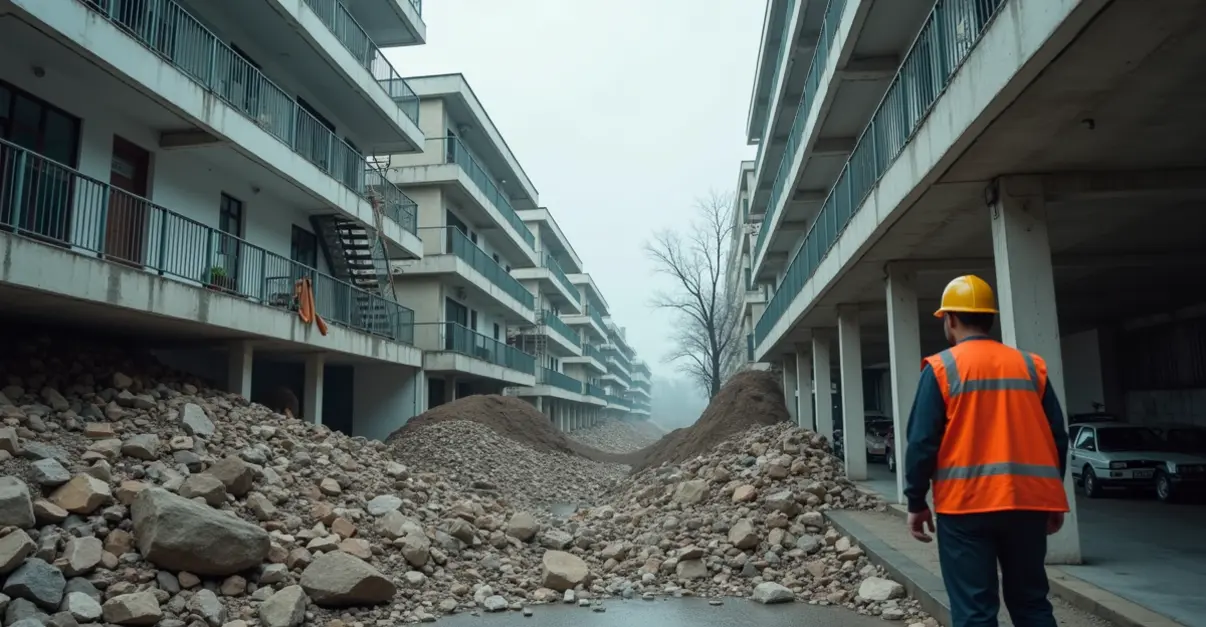
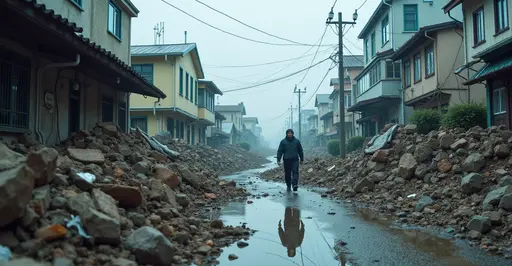
The earthquake registered as an "upper 6" on Japan's seismic intensity scale in Aomori Prefecture - strong enough to make standing impossible and cause furniture to collapse. Emergency services reported multiple injuries, fires, and power outages across affected regions. High-speed train services between Fukushima and Aomori were suspended as a precautionary measure.
Nuclear Safety Concerns Addressed
In a crucial development, the International Atomic Energy Agency (IAEA) confirmed that no abnormalities were detected at the Fukushima nuclear power plant following the earthquake. Japanese authorities temporarily suspended the discharge of treated water from the plant's Advanced Liquid Processing System (ALPS) around 11:42 p.m. local time as a precautionary measure. 'Japan has reported no deviations at the Fukushima facility despite the seismic activity,' the IAEA stated in an official release.
This reassurance is particularly significant given the region's history. The epicenter of today's earthquake likely lies on the same fault line as the devastating 2011 Tōhoku earthquake and tsunami, which killed nearly 20,000 people and caused the Fukushima nuclear disaster. The 2011 event, measuring magnitude 9.1, remains Japan's worst natural disaster in recent history.
Challenges for Coastal Communities
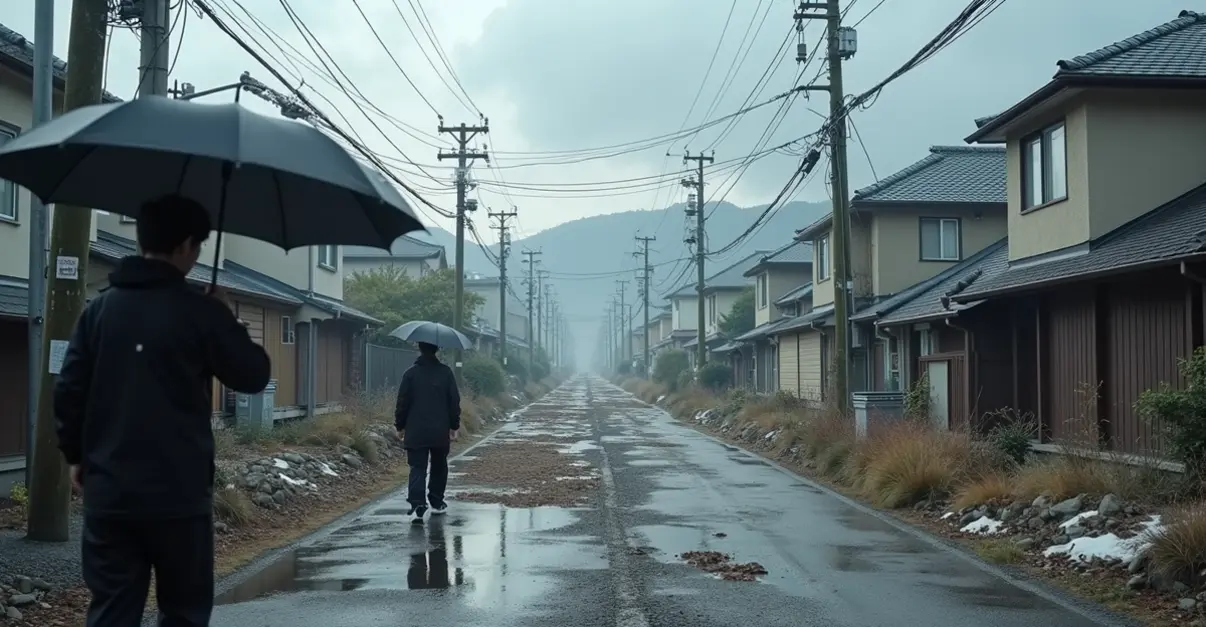
Evacuation efforts face significant challenges, particularly for elderly residents in coastal areas. 'It's difficult because temperatures drop sharply at night, and many elderly people live in these coastal regions,' explained local emergency coordinator Kenji Tanaka. Authorities have established emergency shelters in schools and community centers, but the cold December weather complicates evacuation logistics.
The U.S. Embassy in Japan issued an emergency alert advising citizens to stay out of water, avoid beaches and waterways, and follow all local evacuation orders. Official guidance emphasizes moving to higher ground immediately if in affected areas.
Geological Context and Future Risks
Japan sits on the seismically active Pacific Ring of Fire, where approximately 90% of the world's earthquakes occur. The government has issued a one-week "megaquake" advisory for the region, warning of possible stronger aftershocks. 'A tsunami can consist of multiple waves,' warned seismologist Dr. Yuki Nakamura. 'The danger persists even after initial waves have passed.'
As emergency response continues, authorities are closely monitoring sea levels and providing real-time updates. The Japan Meteorological Agency has since downgraded the tsunami warning to an advisory, but officials caution that the situation remains fluid. With memories of the 2011 disaster still fresh, Japan's robust emergency response systems are being tested once again against nature's formidable power.