
 Deutsch
 English
 Español
 Français
 Nederlands
 Português

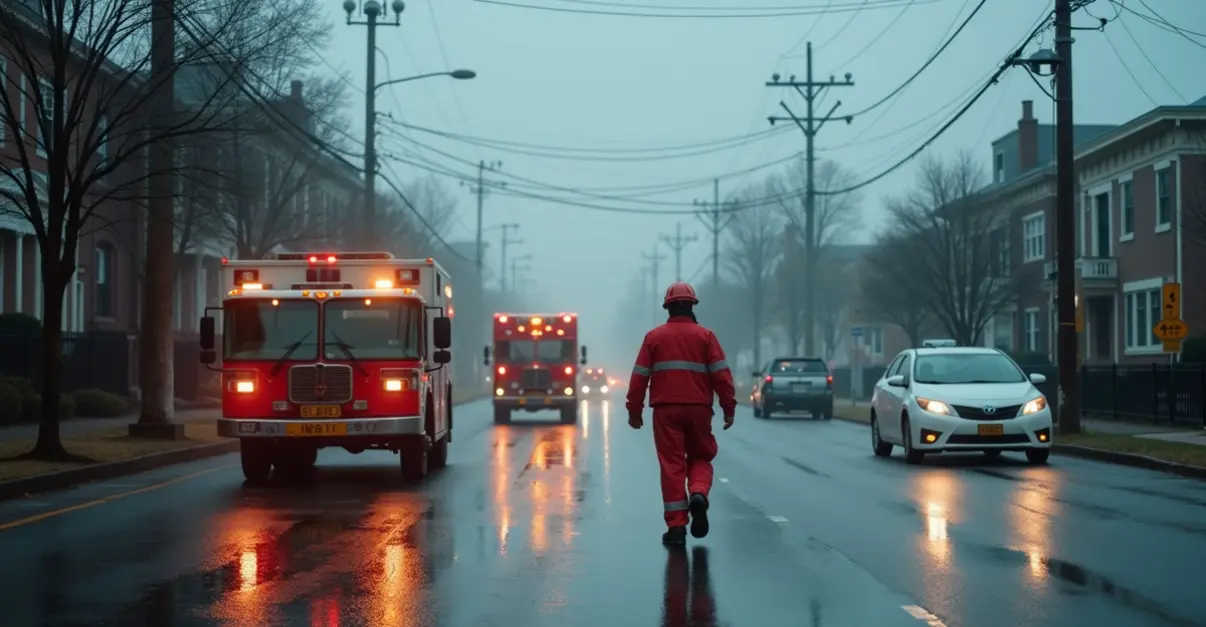





Emergency Coordination Systems Activated as Coastal Storms Intensify
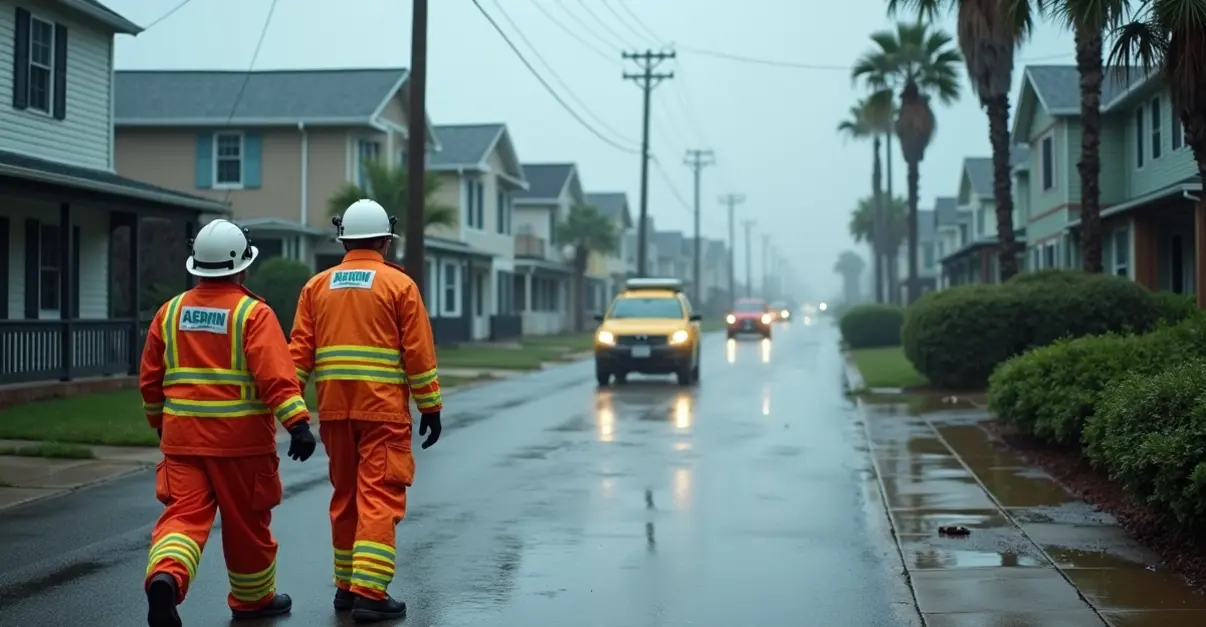
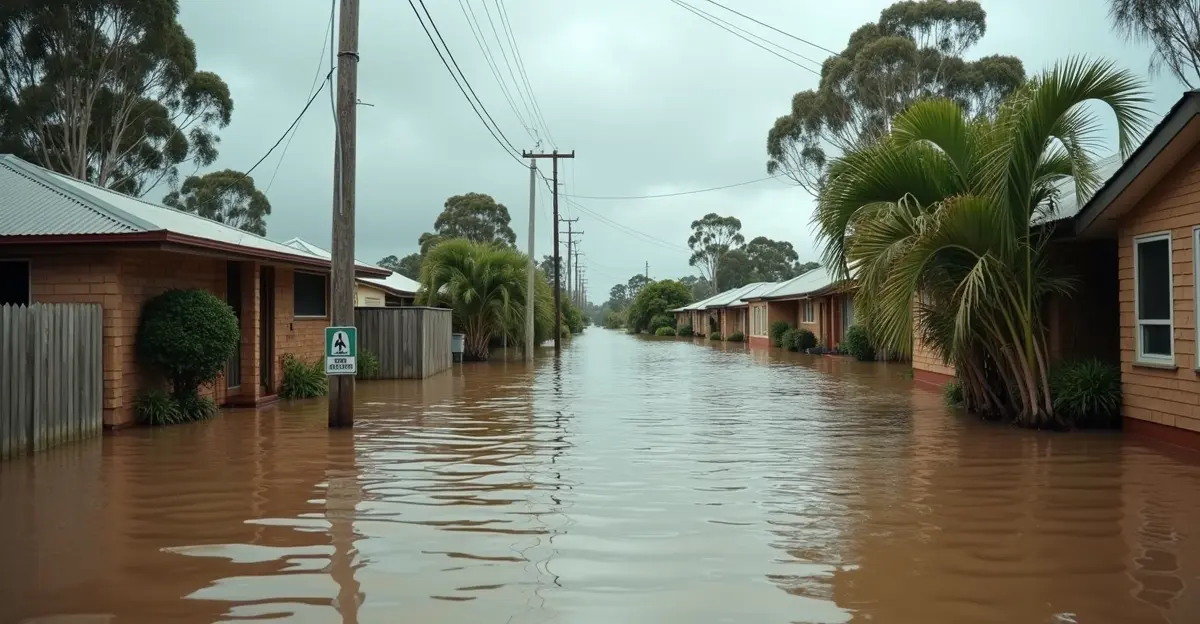
Emergency management agencies across multiple states have activated comprehensive coastal storm response systems as increasingly severe weather events batter vulnerable shoreline communities. The coordinated response, which involves federal, state, and local agencies, represents a significant escalation in disaster preparedness protocols for 2025's storm season.
According to emergency officials, the activation follows months of planning and preparation, including the release of updated guidance documents like New York State's Coastal Storm Annex in March 2025. This comprehensive emergency response plan outlines coordinated strategies for preparing for, responding to, and recovering from coastal storm events that impact New York State.
Multi-Agency Response Framework
The emergency coordination involves multiple layers of government working in concert. The U.S. Army Corps of Engineers (USACE) manages Flood Risk Management (FRM) and Coastal Storm Risk Management (CSRM) programs that protect communities through both structural measures like levees and natural approaches such as wetland restoration. 'We're seeing unprecedented coordination between federal, state, and local partners,' said emergency management specialist Maria Rodriguez. 'The shared responsibility approach is critical when dealing with storms of this magnitude.'
FEMA's Coastal Flood Risk program is simultaneously updating coastal Flood Insurance Studies and Flood Insurance Rate Maps for 100% of the populated U.S. coastline through their Risk Mapping, Assessment and Planning (Risk MAP) initiative. These updated resources help communities make informed floodplain management decisions based on the latest scientific data.
Insurance Markets and Policy Implications
The storm activations have significant implications for insurance markets and federal policy. The National Flood Insurance Program (NFIP) faces increasing pressure as claims mount from affected coastal regions. According to FEMA's 2023 NFIP brochure, the program provides essential coverage but is being tested by the frequency and severity of recent storms.
'What we're witnessing is a fundamental shift in how we approach coastal resilience,' noted climate policy analyst Dr. James Chen. 'The insurance market adjustments we're seeing reflect the new reality of climate-enhanced storm systems. Premiums are rising in high-risk zones, and some private insurers are pulling out of certain markets altogether.'
Florida's Resilient Florida Annual Plan for 2025-2026 represents one state's comprehensive approach to these challenges, focusing on enhancing resilience to environmental challenges like sea-level rise, flooding, and extreme weather events.
Community Impacts and Equity Concerns
Coastal communities are experiencing disproportionate impacts, with low-income and minority populations often bearing the brunt of storm damage. The Coastal Flood Resilience Project (CFRP), a network of nonprofit organizations, has developed a policy agenda with ten key national actions focused on sustaining existing programs and developing new policies to address these disparities.
'Our most vulnerable communities are on the front lines of these storms,' said community organizer Alicia Washington. 'We need policies that prioritize equitable recovery and ensure that rebuilding efforts don't leave anyone behind.'
The NAACP's 'Power In The Storm' toolkit for 2025 provides communities with practical tools for developing their own resilient infrastructure, emphasizing grassroots leadership and local empowerment in disaster preparedness.
Healthcare and Critical Infrastructure
Healthcare facilities are implementing specialized protocols for coastal storm scenarios. The HEC Facility Guidance 2025 Final document from LeadingAge New York provides comprehensive resources for healthcare facilities preparing for coastal storms, including evacuation procedures, shelter-in-place guidelines, and communication protocols.
In Alaska, the Municipality of Anchorage released a December 2025 update on the October 2025 West Coast storm, highlighting ongoing recovery efforts and municipal response coordination.
Looking Forward: Resilience and Adaptation
Emergency management experts emphasize that current activations represent just one phase in an ongoing adaptation process. The USACE emphasizes resilience through four principles: Prepare, Absorb, Recover, and Adapt, integrating these throughout project lifecycles.
'We're not just responding to individual storms anymore,' explained emergency management director Robert Kim. 'We're building systems that can withstand the cumulative impacts of multiple events over time. This requires long-term planning, sustained investment, and community engagement at every level.'
As coastal storms continue to intensify due to climate change, the emergency coordination systems being activated today will likely become standard operating procedures for vulnerable regions nationwide. The intersection of policy, markets, and community needs will continue to shape how America prepares for and responds to coastal emergencies in the years ahead.

Follow Discussion