Deutsch
 English
 Español
 Français
 Nederlands
 Português






Catastrophic Flooding Devastates Texas Hill Country
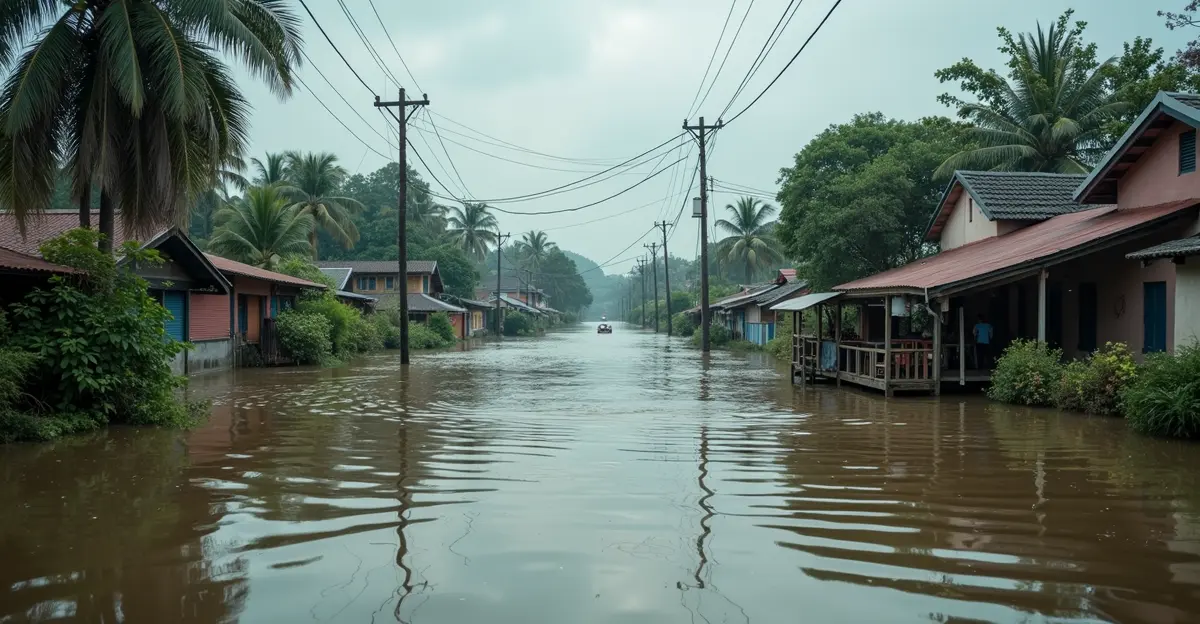
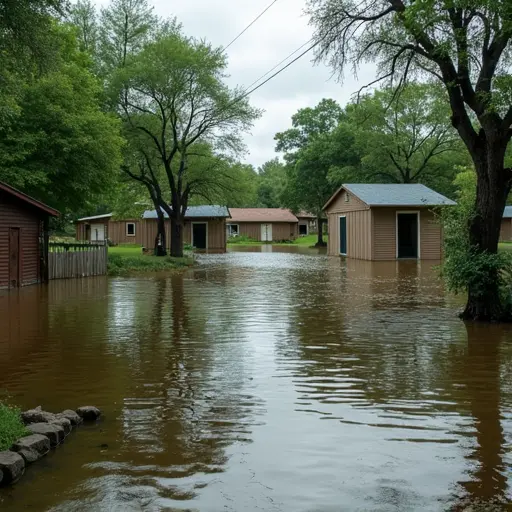
The remnants of Tropical Storm Barry have unleashed catastrophic flooding across Texas Hill Country, resulting in at least 138 confirmed deaths and making this the second deadliest flood in Texas history. The disaster, which began on July 3-4, 2025, swept away residents, summer campers, and Fourth of July weekend visitors in what emergency officials are calling a 'perfect storm' of meteorological conditions.
Record Rainfall and Failed Warning Systems
Torrential rains from Tropical Storm Barry's remnants combined with a Mesoscale Convective Vortex, dropping over 10 inches of rain in some areas and up to 20 inches in others. The Guadalupe River crested at 37.5 feet in Kerr County - nearly 20 feet above major flood stage - with water rising 26 feet in just 45 minutes at Camp Mystic. 'The water came so fast, we had no time to react,' said local resident Maria Gonzalez, who lost her home in the flooding.
The event exposed critical failures in warning systems, as local emergency management failed to use FEMA's Integrated Public Alert and Warning System (IPAWS) and relied instead on opt-in CodeRed notifications. Additionally, FEMA flood maps proved inadequate, having granted exemptions to 30 buildings at Camp Mystic that later flooded with fatal consequences.
Massive State Response and Relief Operations
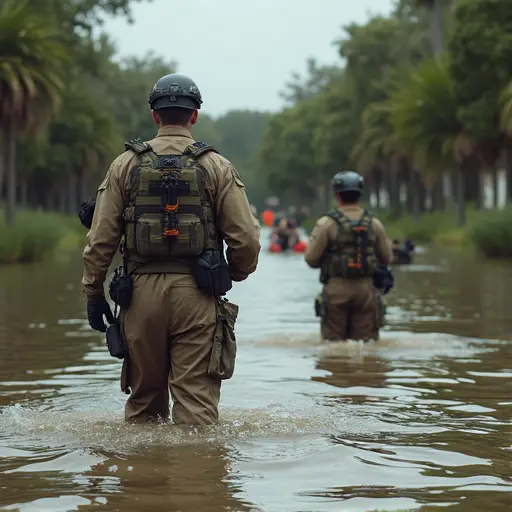
Governor Greg Abbott has mobilized a comprehensive state response, deploying over 2,200 personnel and 1,200 vehicles from more than 20 state agencies. The Texas State Operations Center remains at Level II activation to coordinate support for affected regions including Central Texas, Hill Country, Big Country, and Concho Valley.
'We have never seen flooding of this magnitude in our lifetimes,' said Governor Abbott during a press conference. 'Every available resource is being deployed to assist affected communities.'
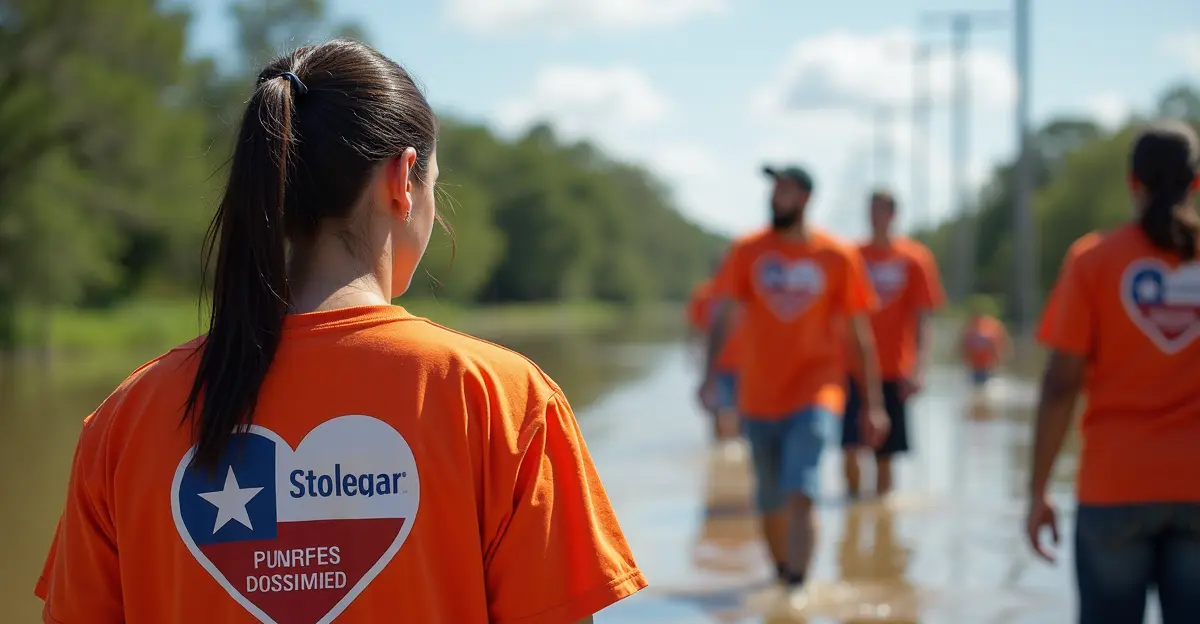
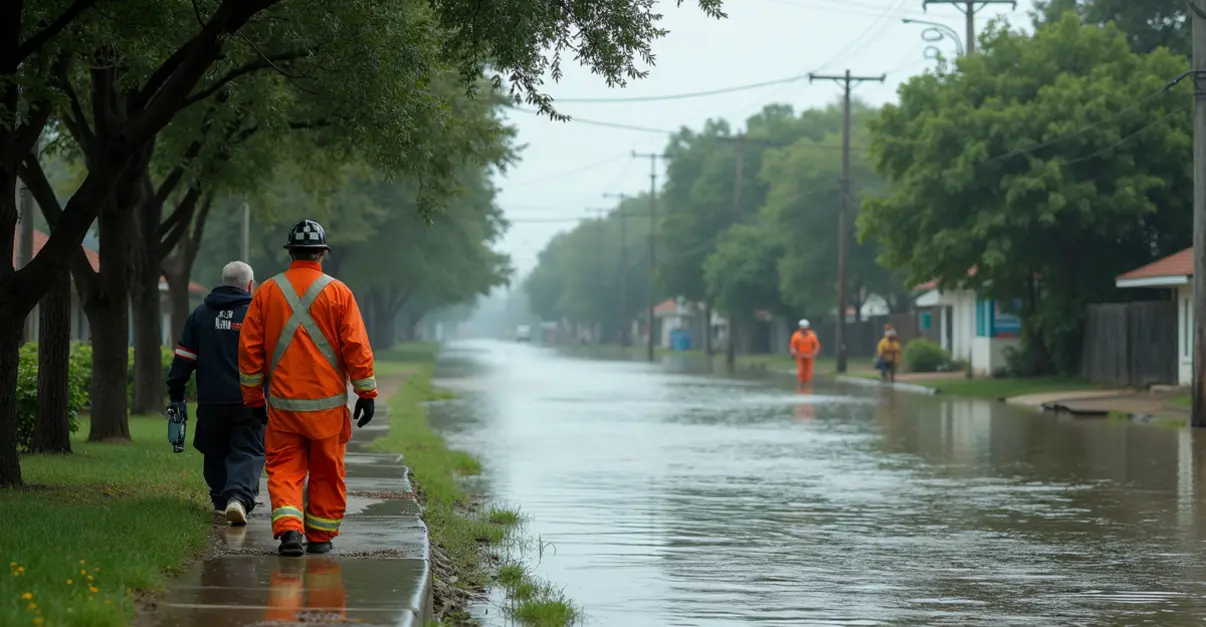
Key resources include swiftwater rescue teams, aerial assets with hoist capabilities, disaster assessment teams, and mental health support services. Roughly 2,100 emergency responders from 10 states have assisted with recovery efforts in the devastated region.
Infrastructure Damage and Power Outages
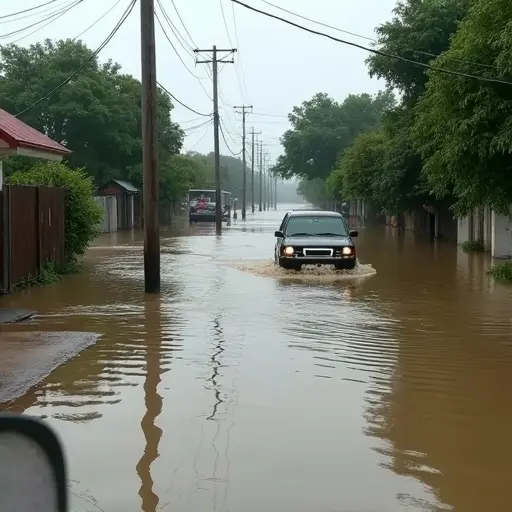
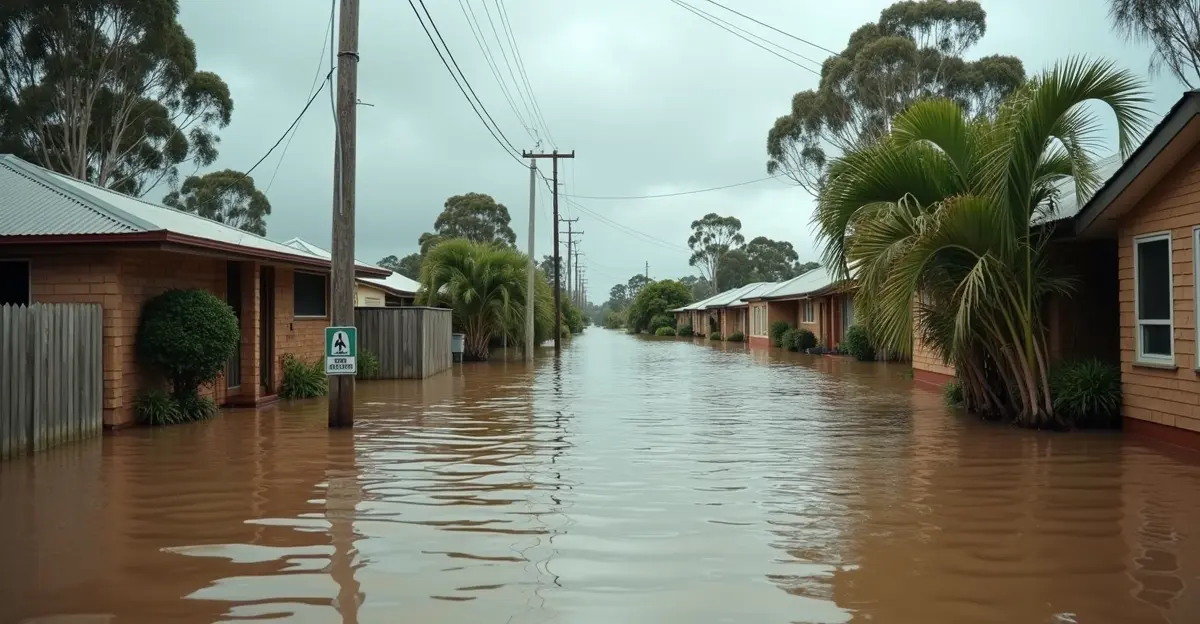
The flooding has caused extensive infrastructure damage across multiple counties. Power outages affected tens of thousands of residents, with some areas expected to remain without electricity for weeks. Roads and bridges have been washed away, isolating communities and hampering relief efforts.
NASA has activated its Disasters Response Coordination System to support emergency response, deploying aircraft including the WB-57 with DyNAMITE sensor and UAVSAR-equipped Gulfstream III to collect high-resolution optical imagery and radar measurements. These flights are producing flood classification maps, high-resolution imagery for search and rescue operations, and assessments of impacted vegetation and infrastructure.
Search and Recovery Efforts
Search efforts have been hampered by rough terrain and massive debris piles, though the number of missing persons has dropped from over 100 to just two through extensive verification work. The tragedy claimed 27 campers and counselors from the nearly century-old Camp Mystic, highlighting the vulnerability of recreational facilities in flood-prone areas.
Texans can report missing persons at 830-258-1111 and access recovery resources at disaster.texas.gov. SNAP recipients in 21 counties have until August 4 to apply for replacement benefits for food lost in the floods.
Long-term Implications and Policy Changes
State leaders have called a special legislative session to address gaps in flood warning systems, emergency communications, and disaster response. The disaster highlights that Texas counties lack zoning authority to prevent construction in flood-prone areas, and the state faces a $54.5 billion funding shortfall for mitigation projects.
'This tragedy underscores the urgent need for updated infrastructure and better warning systems,' said emergency management expert Dr. Sarah Chen. 'Climate change is making these extreme weather events more frequent and severe.'
While Texas created its first comprehensive flood plan in 2024, identifying 5 million residents in flood-prone areas, implementation falls to cash-strapped local governments. Rural communities especially lack resources for technical staff and enforcement of floodplain regulations.
The region's unique geology of thin, rocky soils over impermeable limestone, combined with exceptional drought conditions, dramatically accelerated runoff and amplified the flood's intensity beyond forecasts. Recovery efforts are expected to take months, if not years, with significant economic impacts on agriculture, tourism, and local businesses.