


 Deutsch
 English
 Español
 Français
 Nederlands
 Português


 Share
Share




Morocco detained 294 migrants at the Ceuta border on 15 August 2026, thwarting a large-scale attempt to breach the Spanish enclave after calls on social media. According to Moroccan state media, most of those intercepted were from sub-Saharan African countries rather than Morocco. The operation in the border town of Fnideq came two weeks after tens of thousands of migrants overwhelmed the same frontier, triggering a political crisis in Spain and across Europe.
What happened in Fnideq?
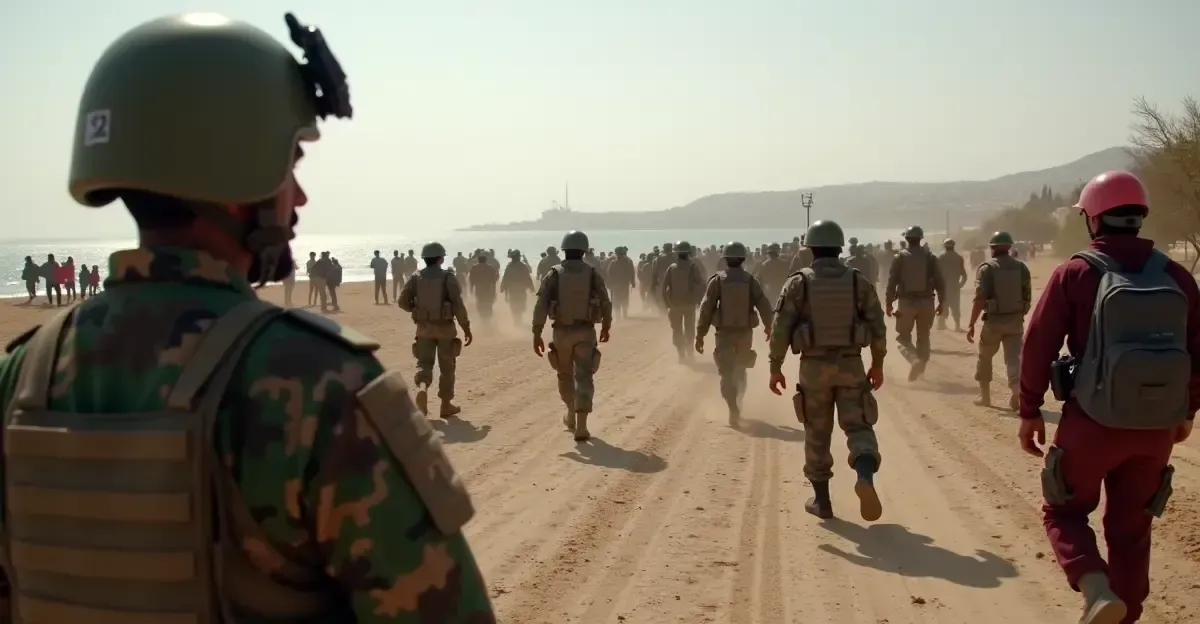
Unlike the chaotic scenes of late July, no mass storming materialised on Saturday. Instead, Moroccan army and police units, placed on high alert, intercepted 294 people—248 sub-Saharan Africans and 46 Moroccans—who attempted to reach Ceuta through the surrounding mountains. The Spanish newspaper El País reported that the detainees were bussed away, with some taken to Ouarzazate, a city on the edge of the Sahara desert about 800 kilometres from Ceuta.
- 294 migrants detained on 15 August 2026
- 248 sub-Saharan Africans and 46 Moroccans intercepted
- 2 Spanish journalists expelled from TVE and EFE
- 800 km distance to Ouarzazate detention location
- 80,000 estimated crossings in late July 2026 crisis
Why is the Ceuta border so volatile?
The Spanish enclave of Ceuta has long been a magnet for migrants seeking entry to the European Union. Since late July 2026, an estimated 80,000 people—predominantly young men—illegally crossed from Morocco into Ceuta, overwhelming local reception facilities. Most entered by swimming around the Tarajal and Benzú breakwaters. By early August, roughly 70,000 had returned voluntarily to Morocco, but thousands, largely sub-Saharan Africans, remained, and at least 111 deaths were reported, according to Wikipedia's timeline of the crisis.
Morocco's security clampdown
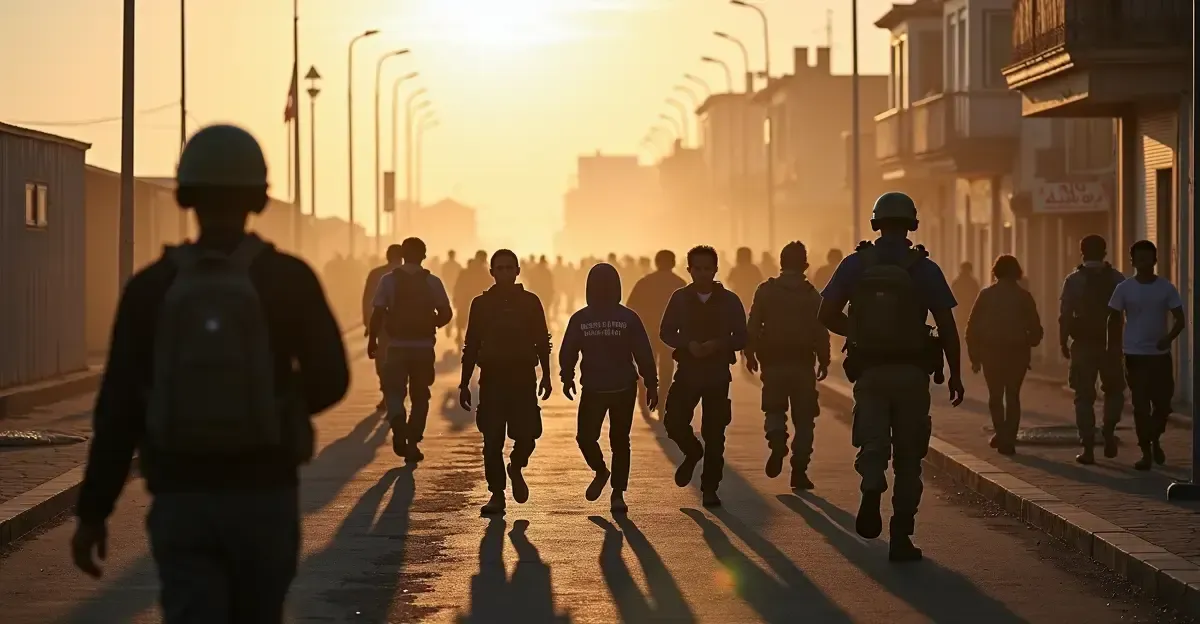
Moroccan authorities said the alert followed social media calls to repeat the border breach. In Fnideq, the town was effectively locked down overnight, with checkpoints across the area. 'Moroccan youths said they would not attempt to cross this time because the heavy police presence scared them off,' reported NOS correspondent Samira Jadir from the border town. 'Morocco wants to show with this massive security operation that it has the border fully under control again and is a reliable partner for Spain and Europe on border control.'
Spanish journalists expelled
In a separate but related move, Moroccan authorities detained and expelled Spanish journalists covering the border situation. Reporters from Spain's public broadcaster TVE and the EFE news agency were ordered to leave Fnideq. 'EFE says its journalists were ordered to leave without any explanation for the decision,' the agency stated. EFE's president has contacted the Moroccan government but has received no answer on why the journalists were expelled. The expulsions follow restrictions that Spain reportedly imposed on a Moroccan camera crew entering Ceuta earlier in August.
Impact and implications
The latest arrests and journalist expulsions signal a hardening of Morocco's border enforcement, but also raise concerns about press freedom and the treatment of migrants. Human rights groups have criticised the deportations to remote areas like Ouarzazate, which critics say amounts to collective punishment. Meanwhile, Ceuta's residents, who felt abandoned by Madrid after the July breach, continue to demand stronger protection. The incident is likely to intensify debate over the EU migration and asylum policy and Spain's January 2026 migrant regularisation programme, which 22 EU governments called a 'pull factor'.
Frequently Asked Questions
How many migrants did Morocco detain at Ceuta?
Morocco detained 294 migrants at the Ceuta border on 15 August 2026, including 248 sub-Saharan Africans and 46 Moroccans.
Why were Spanish journalists expelled from Morocco?
Spanish journalists from TVE and EFE were expelled from Fnideq while covering the border operation. EFE said no explanation was given.
Where were the detained migrants taken?
Some detainees were bussed to Ouarzazate, a city about 800 km from Ceuta on the edge of the Sahara desert.
What caused the 2026 Ceuta migrant crisis?
The crisis began in late July 2026 when an estimated 80,000 people crossed from Morocco into Ceuta, driven by economic opportunity, climate change, social inequality and repression.




Follow Discussion