


 Deutsch
 English
 Español
 Français
 Nederlands
 Português


 Share
Share




Cologne Cathedral Admission Fee: Historic Change Explained
In a landmark decision that marks the end of centuries of free access, Cologne Cathedral will begin charging admission fees to tourists starting in the second half of 2026. The iconic Gothic cathedral, Germany's most visited landmark and a UNESCO World Heritage site, announced this historic policy change to address soaring maintenance costs that have become unsustainable under current financial conditions.
What is the Cologne Cathedral Admission Fee?
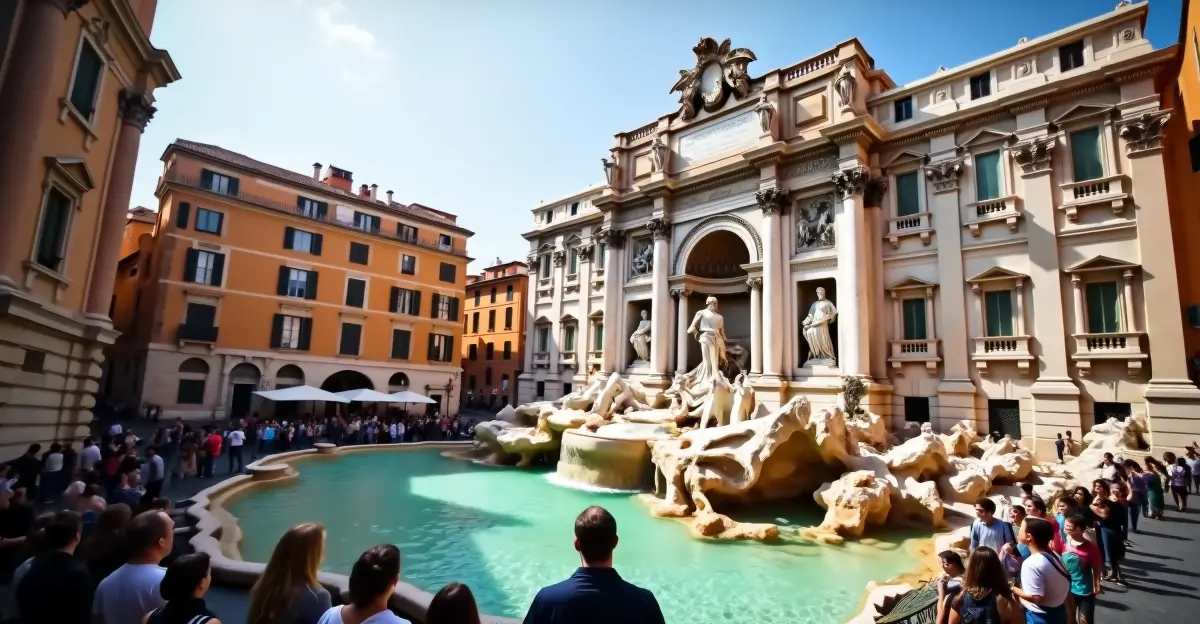
The Cologne Cathedral admission fee represents a fundamental shift in access policy for one of Europe's most significant religious and architectural landmarks. For the first time in its modern history, tourists visiting the cathedral's main interior will need to purchase tickets, while access for worship, prayer, and religious services will remain free. This decision follows similar moves by other European cultural sites facing financial pressures, including the Trevifontein in Rome which recently implemented entry fees.
Why is Cologne Cathedral Charging Admission Now?
The cathedral chapter made this difficult decision during a closed meeting earlier this week after reviewing the site's economic situation. Several critical factors drove this historic change:
Financial Pressures and Maintenance Costs
Cologne Cathedral faces staggering maintenance expenses, with daily upkeep estimated at €30,000 and annual preservation costs reaching approximately €16 million. The Gothic structure, which began construction in 1248 and took 632 years to complete, requires continuous specialized care from approximately 100 skilled craftspeople. 'Our reserves are being depleted, and we've experienced six consecutive years of financial losses since 2019,' explained cathedral officials in their announcement.
Visitor Statistics and Economic Reality
The cathedral attracts an astonishing 6 million visitors annually, with tourists comprising about 99% of these visitors. Despite this massive popularity, the site has struggled financially, particularly following pandemic-era restrictions that severely impacted revenue streams. The cathedral's financial model, which previously relied on donations and limited special attraction fees, proved insufficient to cover the €16 million annual preservation budget.
How Will the New Admission System Work?
While specific pricing details haven't been finalized, the cathedral administration has outlined the basic framework for the new admission system:
- Implementation Timeline: Second half of 2026
- Who Pays: Tourists visiting the main interior (approximately 99% of visitors)
- Who Doesn't Pay: Churchgoers, worshippers, members of the Central Cathedral Building Association (Zentral-Dombau-Verein)
- Free Access Areas: Spaces designated for silent prayer and religious services
- Existing Fees: Tower climb (€8) and treasury (€8) will continue alongside new interior admission
The cathedral faces the practical challenge of distinguishing between tourists and worshippers, a system that will need careful implementation to maintain the site's spiritual integrity while ensuring financial sustainability.
Cologne Cathedral: Historical Context and Significance
Cologne Cathedral stands as one of Germany's most iconic structures, with twin spires reaching 157 meters (515 feet) – making it the tallest twin-spired church in the world. Construction began in 1248 but stalled in the 15th century, only to be completed in 1880 following renewed interest and funding in the 19th century. Remarkably, the cathedral survived World War II virtually intact while the surrounding city of Cologne was largely destroyed.
The cathedral houses numerous significant artifacts, including the Shrine of the Three Kings, which contains what are traditionally believed to be the remains of the Biblical Magi. Its stained glass windows cover approximately 10,000 square meters, and the structure represents a masterpiece of Gothic architecture that has inspired generations of architects and visitors alike.
Impact on Tourism and Cultural Heritage
This policy change reflects broader trends affecting cultural heritage sites across Europe. Many historical landmarks are grappling with similar financial challenges as they balance preservation needs with public accessibility. The move follows patterns seen at other major European sites that have implemented or increased admission fees to fund maintenance, similar to challenges faced by the Louvre Museum in Paris with its own financial pressures.
Tourism experts predict several potential impacts:
- Visitor Numbers: Possible short-term decrease followed by stabilization
- Revenue Generation: Estimated €10-15 million annually from admission fees
- Preservation Funding: Sustainable financial model for ongoing maintenance
- Visitor Experience: Potential improvements through better crowd management
Frequently Asked Questions (FAQ)
When will Cologne Cathedral start charging admission?
The admission fee will be implemented in the second half of 2026, with exact dates to be announced in coming months.
How much will the admission fee cost?
Specific pricing hasn't been announced, but it's expected to be in line with similar European cultural sites, potentially ranging from €8-15 for adult admission.
Who will be exempt from paying?
Churchgoers, worshippers, members of the Central Cathedral Building Association, and those visiting designated prayer areas will continue to enjoy free access.
Why is this change necessary?
With daily maintenance costs of €30,000 and annual preservation expenses of €16 million, the cathedral can no longer sustain operations without additional revenue sources.
Will this affect access to religious services?
No, all religious services and access to prayer areas will remain completely free and unaffected by the new admission policy.



Follow Discussion