


 Deutsch
 English
 Español
 Français
 Nederlands
 Português


 Share
Share




Public Transit's Uneven Recovery Path
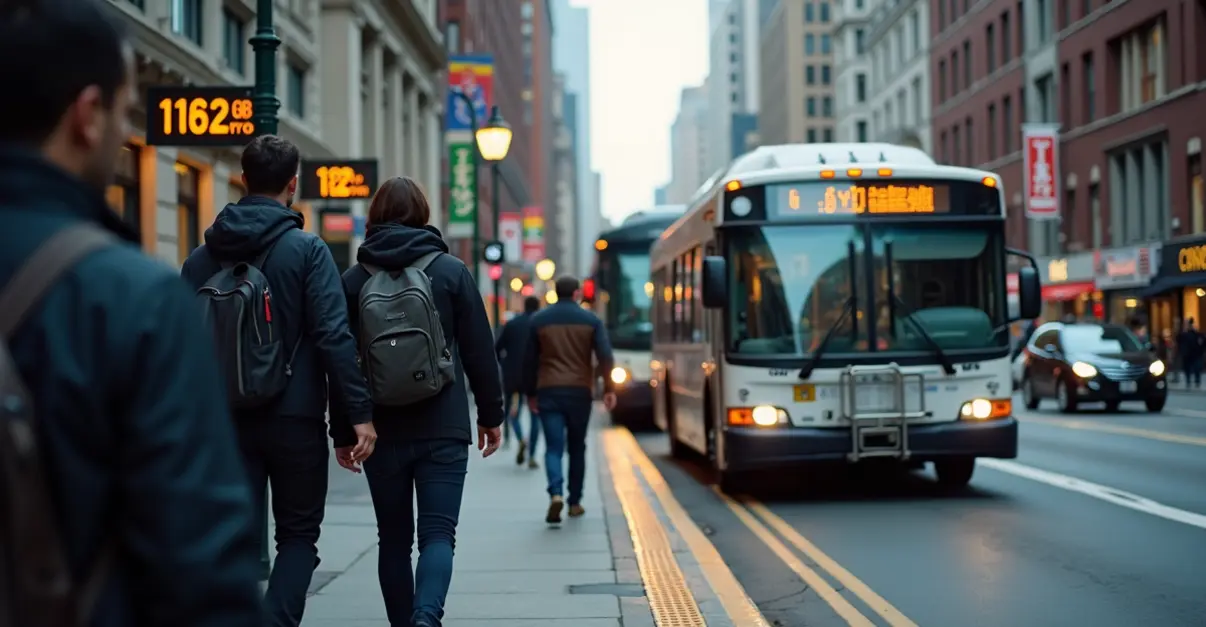
As we move through 2025 and into 2026, public transit systems across the United States are navigating a complex recovery landscape. Ridership patterns that were dramatically disrupted by the COVID-19 pandemic continue to evolve, with transit agencies implementing strategic service adjustments and reevaluating fare policies to adapt to new realities. According to the APTA Policy Brief on Transit Ridership from May 2025, recovery has been uneven across different transit modes and geographic regions, creating challenges for transportation planners and policymakers.
Ridership Data Reveals Divergent Trends
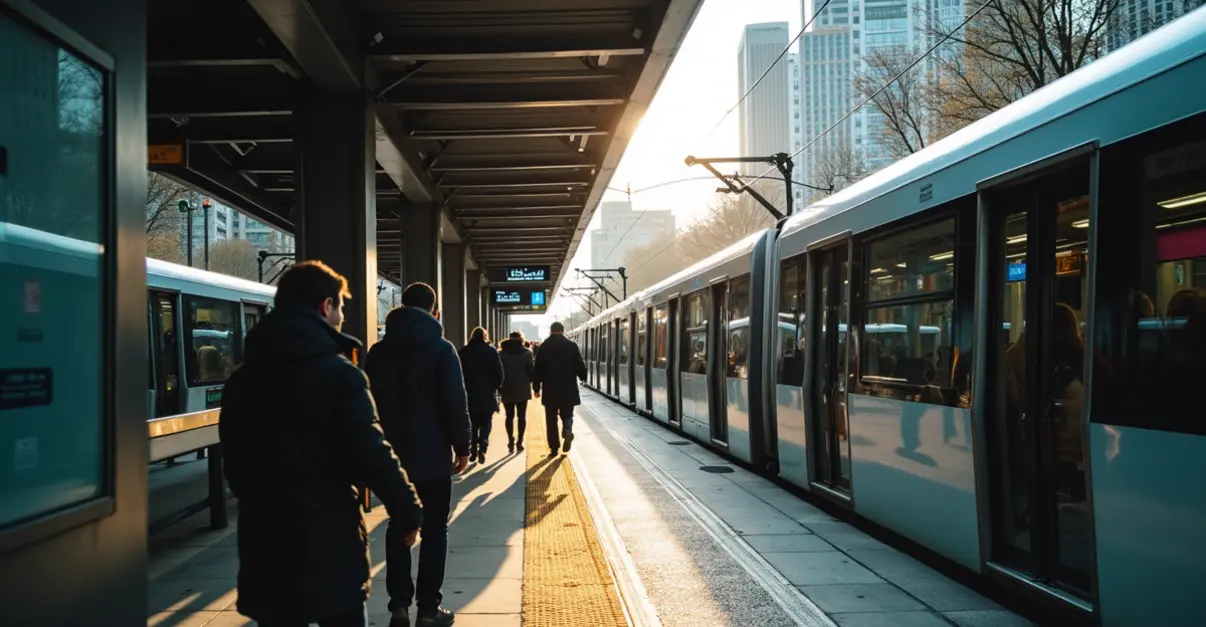
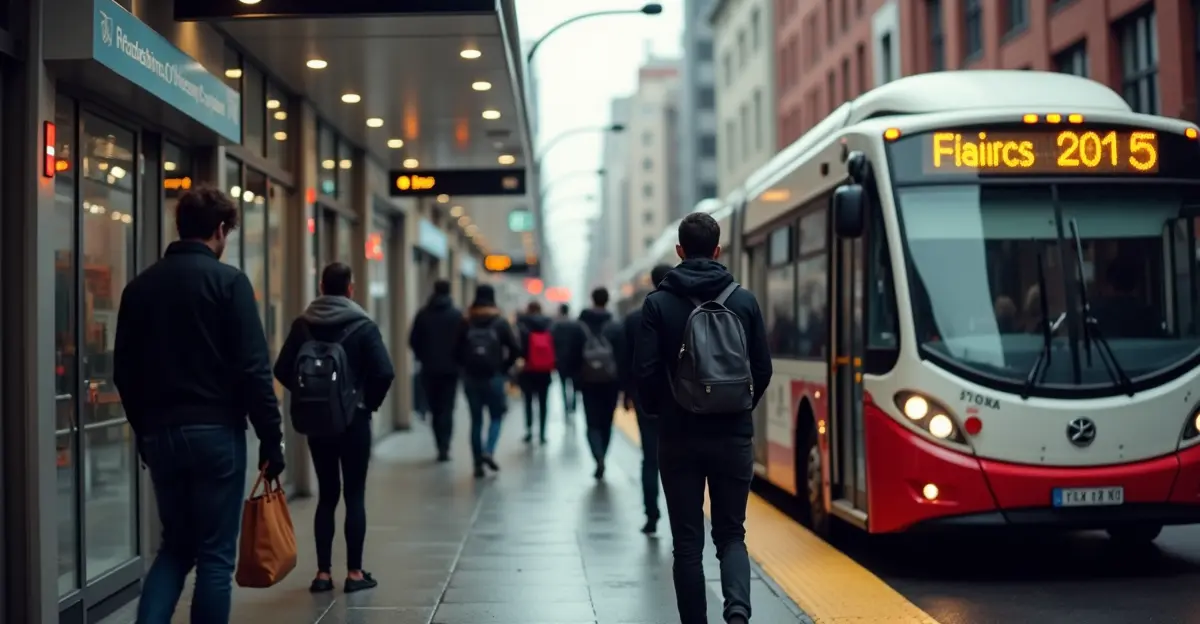
The latest data shows that while some urban rail systems have recovered to near pre-pandemic levels, bus ridership in many cities continues to lag. 'We're seeing a bifurcated recovery where commuter patterns have fundamentally changed,' explains transportation analyst Maria Rodriguez. 'Hybrid work arrangements have reduced traditional peak-hour demand, while off-peak and weekend ridership has shown stronger resilience.' This shift has forced transit agencies to reconsider traditional service models that were built around 9-to-5 commuting patterns.
A comprehensive study published in ScienceDirect using 2022 National Household Travel Survey data reveals persistent demographic disparities in transit use. The research indicates that low-income households and communities of color continue to rely more heavily on public transportation, even as overall ridership numbers fluctuate. 'The pandemic exposed and exacerbated existing transportation inequities,' notes Dr. James Chen, lead researcher on the study. 'Our findings suggest that transit-dependent populations view service reductions as temporary disruptions, while more affluent riders may be making permanent shifts to other modes.'
Service Adjustments and Operational Challenges
Transit agencies are responding to these changing patterns with targeted service adjustments. Many are reallocating resources from traditional peak-hour services to enhance off-peak and weekend offerings. The Federal Transit Administration's 2024 report highlights how agencies are implementing more flexible scheduling and exploring demand-responsive services in lower-density areas.
However, these adjustments come with significant financial implications. 'We're operating in a new fiscal reality where traditional revenue streams have been disrupted,' says transit executive Sarah Johnson. 'Federal emergency funding that sustained operations during the pandemic is winding down, forcing difficult decisions about service levels and fare structures.' This financial pressure is particularly acute for agencies facing rising operational costs, including labor, maintenance, and energy expenses.
Fare Policy Evolution and Equity Considerations
Perhaps the most significant development in 2025-2026 is the widespread reevaluation of fare policies. Major transit systems, including New York's MTA and Dallas Area Rapid Transit (DART), are proposing fare changes for 2026 implementation. The MTA's 2026 Fare Change Materials and DART's comprehensive presentation both emphasize the need for fare structures that balance revenue generation with accessibility.
These proposals are accompanied by mandatory Title VI equity assessments, ensuring that fare changes don't disproportionately impact minority and low-income populations. 'Fare policy isn't just about revenue—it's about social justice and economic mobility,' emphasizes policy director Michael Thompson. 'We're seeing more agencies consider income-based fare programs, reduced fares for essential workers, and simplified payment systems to reduce barriers to access.'
Some cities are experimenting with innovative approaches, including fare-capping (where riders never pay more than a daily or monthly maximum regardless of trips taken) and integrated mobility pricing that combines transit fares with other transportation options. These innovations reflect a broader shift toward viewing public transit as an essential public service rather than merely a revenue-generating enterprise.
Looking Ahead: The Future of Public Transit
The Deloitte Transportation Trends 2025-26 report identifies several key factors that will shape transit's future, including diversifying funding models, scaling AI applications for operational efficiency, and future-proofing infrastructure against climate change. As agencies prepare for major events like the 2026 FIFA World Cup and 2028 Summer Olympics, the pressure to demonstrate reliable, efficient service will only increase.
'The next two years will be critical for defining the long-term trajectory of public transit in America,' concludes transportation economist Lisa Park. 'Success will depend on our ability to adapt service to new travel patterns, implement equitable fare policies, and secure sustainable funding. The choices we make now will determine whether public transit emerges stronger and more resilient or continues to struggle with structural challenges.'
As ridership recovery continues its uneven path, transit agencies face the dual challenge of adapting to new realities while maintaining essential services for those who depend on them most. The data-driven service adjustments and carefully considered fare policies being implemented in 2025-2026 represent important steps toward building a more sustainable and equitable public transportation system for the future.



Follow Discussion