Nederlands
 English
 Deutsch
 Français
 Español
 Português






Decentralized Finance Goes Mainstream
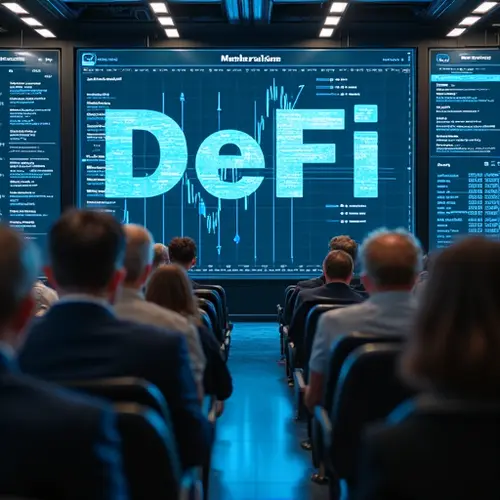
Decentralized Finance (DeFi) has evolved from a niche concept to a mainstream financial movement, with DeFi applications now actively targeting traditional investors. The shift marks a significant milestone in the adoption of blockchain-based financial services, which aim to eliminate intermediaries like banks and brokers.
The Rise of DeFi
DeFi platforms leverage smart contracts on blockchains like Ethereum to offer services such as lending, borrowing, and trading without centralized oversight. The total value locked (TVL) in DeFi protocols has surged, reaching over $178 billion in 2021 before settling around $40 billion in 2023 amid market downturns. Despite volatility, the sector continues to attract venture capital and institutional interest.
Appealing to Traditional Investors
DeFi apps are now designing user-friendly interfaces and compliance features to appeal to traditional investors. Platforms like MakerDAO and Compound Finance have introduced stablecoins and yield farming opportunities, offering competitive returns compared to conventional savings accounts. However, risks such as smart contract vulnerabilities and regulatory uncertainty remain.
Challenges and Risks
While DeFi promises high returns, it also carries significant risks. Security breaches, such as the $1.5 billion hack in 2024, highlight the vulnerabilities in decentralized systems. Traditional investors must navigate these risks while adapting to the decentralized nature of these platforms.
The Future of DeFi
As DeFi matures, integration with traditional finance is expected to grow. Regulatory clarity and improved security measures will be key to attracting more institutional capital. The sector’s ability to balance innovation with risk management will determine its long-term success.