


 Deutsch
 English
 Español
 Français
 Nederlands
 Português


 Share
Share




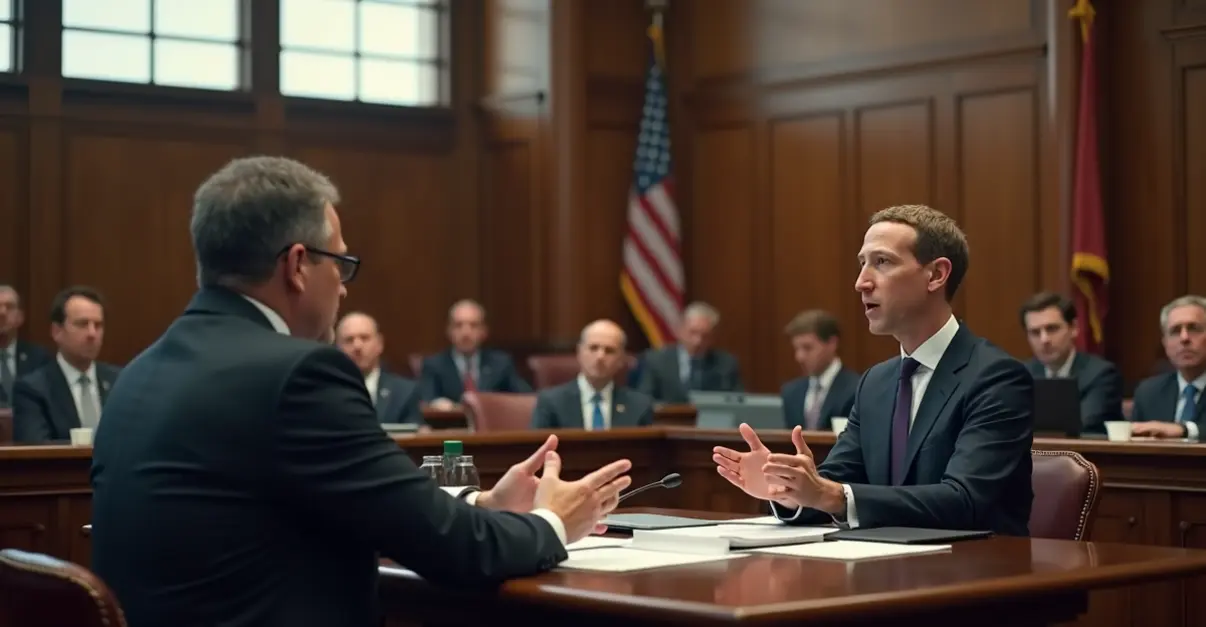
Meta, TikTok, YouTube, and Snapchat are bracing for an unprecedented wave of litigation after a U.S. federal appeals court ruled Monday that the tech giants cannot use Section 230 immunity to dodge more than 3,000 lawsuits alleging their platforms intentionally addict young users. The decision by the 9th U.S. Circuit Court of Appeals in San Francisco marks a pivotal moment in the battle over social media addiction and its toll on youth mental health.
What Did the Court Decide?
In a much-anticipated ruling on August 10, 2026, a three-judge panel rejected arguments from Meta Platforms, Alphabet (Google), ByteDance (TikTok), and Snap Inc. that Section 230 of the Communications Decency Act shielded them from the sprawling litigation. While Section 230 generally protects online platforms from liability for content posted by users, the court held it does not confer blanket immunity from lawsuits that challenge the design of the apps themselves—features like infinite scroll, autoplay, variable reward notifications, and algorithmic amplification that plaintiffs say were engineered to maximize engagement at the expense of mental health.
"Section 230 is a defense, not a get-out-of-court-free card," the appeals panel wrote, affirming a lower-court ruling that allowed the consolidated cases to move forward. This decision echoes a growing legal consensus that product-design claims can proceed even when content-based claims cannot, a theory already tested in the first bellwether trial earlier this year.
The Scale of the Litigation
The lawsuits—consolidated under multidistrict litigation (MDL 3047) in the Northern District of California before Judge Yvonne Gonzalez Rogers—now number more than 3,100 federal cases. An additional 2,500 actions are pending in California state courts, with hundreds more in other state venues. Plaintiffs include families, individual teens and young adults, over 1,200 school districts, 41 state attorneys general, and several Native American tribes.
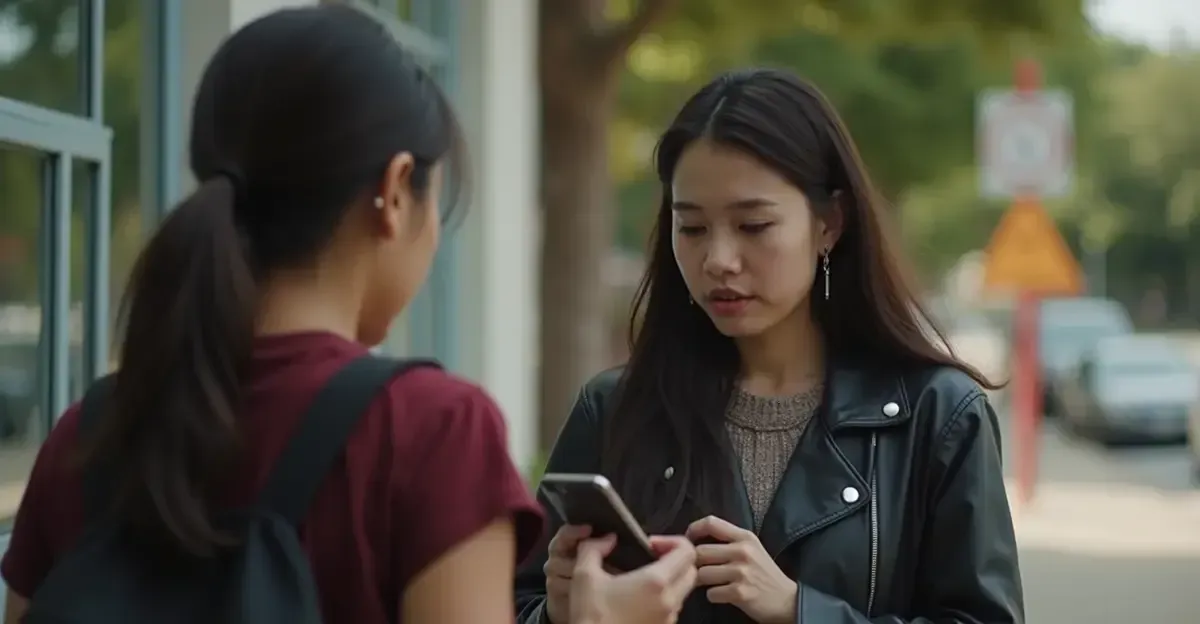
At the heart of the lawsuits is the claim that social media companies knowingly designed addictive products that have fueled a youth mental health crisis. According to CDC data, nearly one in three U.S. high school students reported poor mental health in the past 30 days, and rates of anxiety, depression, and suicidal ideation have soared in parallel with smartphone and social media adoption. The plaintiffs seek damages, civil penalties, and court-ordered changes to platform design.
Bellwether Verdicts and Settlements
The litigation has already produced dramatic results. In March 2026, a Los Angeles County jury returned a landmark $6 million verdict against Meta (70% liability) and YouTube (30% liability) in the case of K.G.M., a teenager who developed severe depression and an eating disorder linked to Instagram and YouTube use. TikTok and Snapchat settled confidentially on the eve of that trial. A second bellwether case, R.K.C. v. Meta, settled before jury selection, with Meta reportedly paying nothing in a confidential resolution.
"These verdicts are just the beginning," said Andre Mura, a lead plaintiffs' attorney on the MDL committee. "The industry now knows that juries will hold them accountable when the evidence shows they prioritized engagement over children's safety."
Breathitt County Schools in Kentucky—the first school district scheduled for trial—reached a settlement with all four platforms in May 2026, avoiding what would have been the first district-level bellwether. Eight more test trials are scheduled through mid-2027.
Industry Response and Next Steps
Both Meta and Google have announced they will appeal the 9th Circuit ruling, potentially to the U.S. Supreme Court. In a statement, Meta said: "We've developed more than 50 tools to support teens and their families, and we disagree with the court's interpretation. We will continue to defend ourselves vigorously." TikTok parent ByteDance similarly argued that its platform provides robust parental controls and that the lawsuits mischaracterize routine product features as inherently harmful.
Legal experts say the appeals process could take years, but the immediate effect is clear: the MDL will now accelerate toward additional bellwether trials, and settlement pressure on the defendants will intensify. The case also comes amid broader calls to reform Section 230 and a growing global movement to regulate social media platforms more aggressively.
Impact on the Tech Industry
The ruling has sent ripples through Silicon Valley. Investor notes from Wall Street analysts warn that prolonged litigation could expose the companies to tens of billions of dollars in liability if the plaintiffs' product-design theory is broadly accepted by juries. Social media regulation in Europe has also tightened under the Digital Services Act, creating a transatlantic pincer on platform business models. Meanwhile, lawmakers in Washington have renewed efforts to pass the Kids Online Safety Act, which would impose a statutory duty of care on platforms regarding youth mental health.
"This is the tobacco moment for social media," said Dr. Jean Twenge, a psychologist whose research on teen mental health has been widely cited in the litigation. "We're seeing the same pattern: internal documents showing knowledge of harm, a public-relations campaign denying it, and now mounting legal consequences."
Frequently Asked Questions
What is Section 230?
Section 230 of the Communications Decency Act (1996) provides immunity to online platforms from liability for content posted by users. It was designed to encourage the growth of the internet. However, courts have increasingly ruled it does not protect platform design choices, especially when those designs are alleged to cause offline harms.
How many lawsuits are currently filed against social media companies over addiction?
As of August 2026, more than 3,000 federal lawsuits are consolidated in MDL 3047, with roughly 2,500 additional cases in California state courts and hundreds more in other state courts. Over 1,200 school districts, 41 state AGs, and thousands of individual families have filed claims.
What are the main allegations in these lawsuits?
Plaintiffs allege the platforms were deliberately engineered with addictive features—infinite scroll, autoplay, variable rewards, notifications, and algorithmic amplification—to maximize engagement at the expense of adolescent mental health, contributing to depression, anxiety, eating disorders, and suicide.
Have any of these cases gone to trial?
Yes. The first bellwether trial in March 2026 resulted in a $6 million verdict against Meta (70%) and YouTube (30%). TikTok and Snapchat settled before trial. Additional bellwether trials are scheduled through 2027.
Could this lead to changes in how social media apps work?
Potentially. If courts impose damages and injunctive relief, platforms may be forced to redesign features, implement stronger age verification, and add prominent warnings about mental health risks. Age verification laws for social media are also advancing in several states, adding regulatory pressure.



Follow Discussion