


 Deutsch
 English
 Español
 Français
 Nederlands
 Português


 Share
Share




Deadly Attack at Ancient Pyramids Rattles Mexico Ahead of World Cup
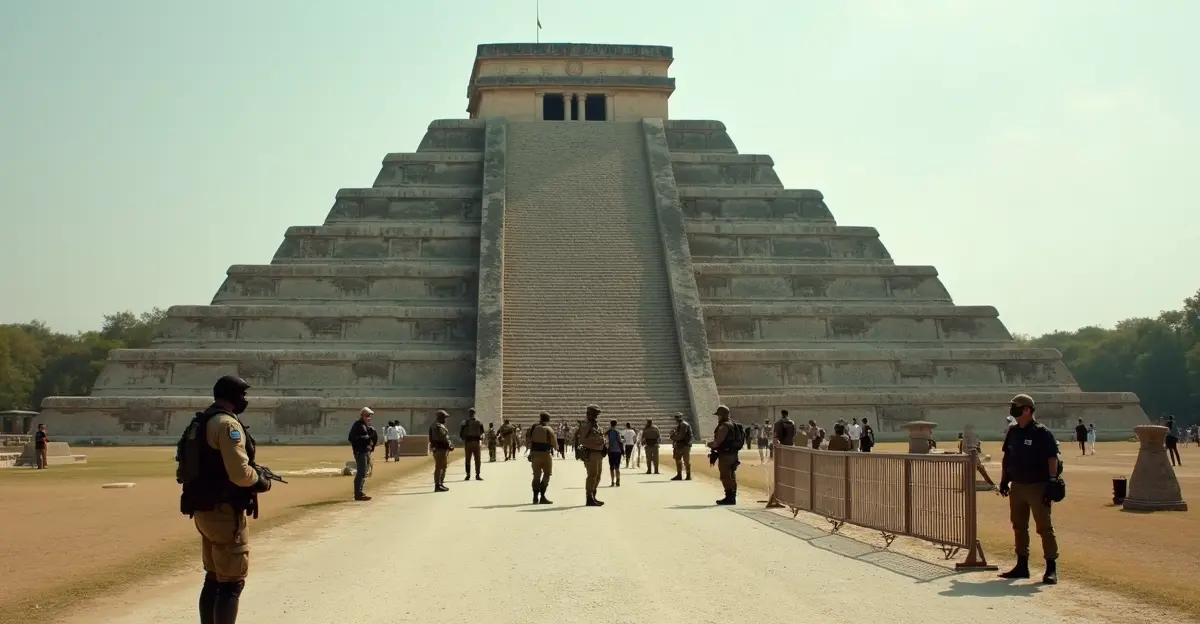
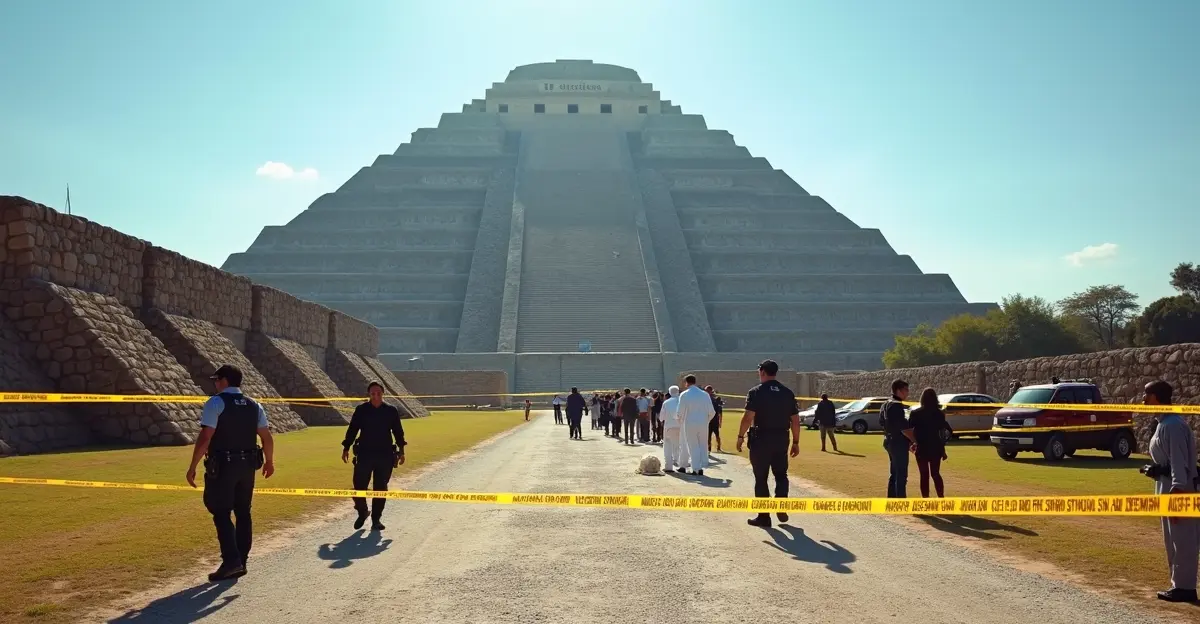
A mass shooting at the iconic Teotihuacán pyramids on April 20, 2026, has killed a Canadian tourist and wounded 13 others, reigniting global questions about security in Mexico just weeks before the country co-hosts the 2026 FIFA World Cup. The gunman, identified as 27-year-old Julio César Jasso Ramírez, opened fire from atop the Pyramid of the Moon with a .38-caliber revolver before dying by suicide after a standoff with National Guard personnel. The attack occurred on the 27th anniversary of the Columbine High School massacre and what would have been Adolf Hitler's 137th birthday — a date the shooter reportedly admired, according to notes found in his backpack.
Among the wounded were six Americans, three Colombians, two Brazilians, a Russian, another Canadian, and a Dutch woman. Seven people suffered gunshot wounds while six were injured in the ensuing panic and falls. Mexican President Claudia Sheinbaum called the attack an act of a 'lone wolf with psychological problems' and ordered an immediate review of security at all archaeological and tourist sites. The Teotihuacán complex, a UNESCO World Heritage Site located just 40 kilometers northeast of Mexico City, draws approximately 1.6 million visitors annually.
Security Concerns Mount Ahead of World Cup
The shooting comes at a particularly sensitive time for Mexico, which is set to co-host the 2026 World Cup alongside the United States and Canada. The tournament, running from June 11 to July 19, will see 13 matches played across three Mexican host cities: Mexico City (including the opening match at Estadio Azteca), Guadalajara, and Monterrey. Millions of international visitors are expected, and the attack has amplified concerns about whether Mexico can guarantee their safety.
Just two months prior, the killing of notorious Jalisco New Generation Cartel (CJNG) leader Nemesio 'El Mencho' Oseguera Cervantes in a military operation triggered a wave of retaliatory violence across 20 Mexican states. Cartel members set vehicles and businesses ablaze, shut down schools and public transport, and paralyzed parts of Guadalajara and Puerto Vallarta — both key destinations for World Cup visitors. Airlines temporarily suspended flights to Puerto Vallarta, and four domestic soccer matches were postponed. The 2025 bank heist in Berlin also drew international attention to security lapses, but the scale of cartel violence in Mexico is far more systemic.
Plan Kukulkan: Mexico's Security Blueprint
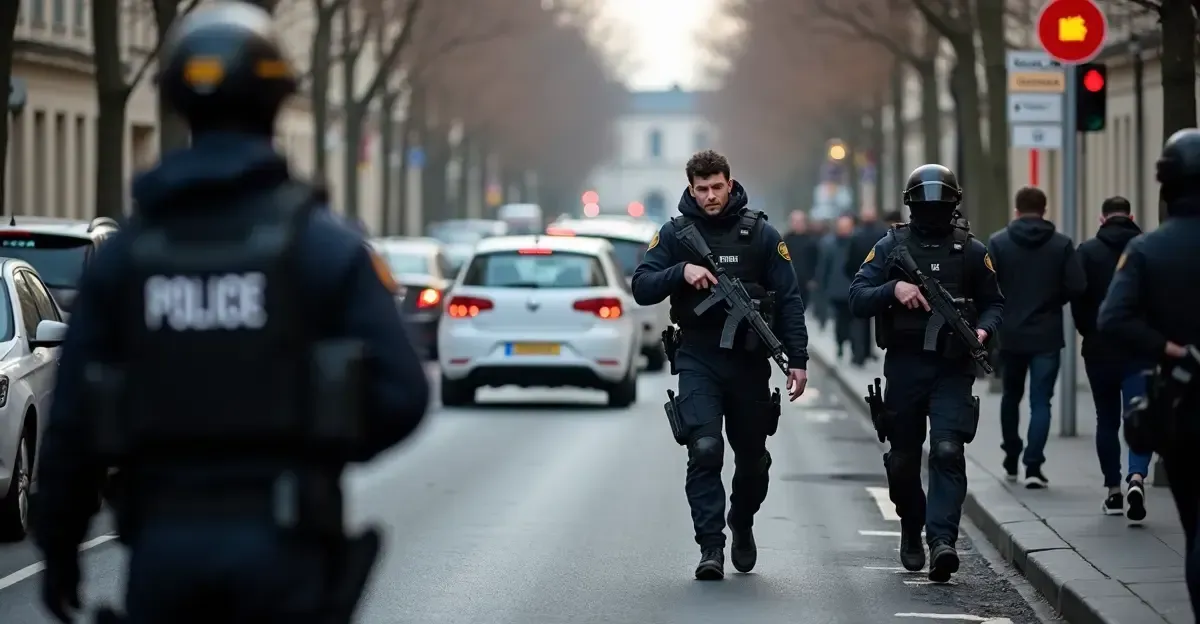
In response to mounting security challenges, President Sheinbaum unveiled 'Plan Kukulkan,' a massive security operation deploying nearly 100,000 personnel across host cities and tourist zones. The plan includes:
- 20,000 military personnel
- 55,000 police officers and private security guards
- 2,500 vehicles and 24 aircraft
- Anti-drone systems and explosives-detecting dogs
- Layered security perimeters around stadiums, airports, hotels, and tourist sites
The operation is coordinated with U.S. and Canadian security agencies and will remain active through the July 19 final. FIFA President Gianni Infantino has expressed confidence in Mexico's preparations, stating he feels 'very reassured' after reviewing the plans. However, critics note that the cryptocurrency regulation debate in other countries shows how quickly public trust can erode when security gaps are exposed.
Violence Statistics Under Scrutiny
Mexican officials point to a declining murder rate — now averaging 50 homicides per day, the lowest in a decade — as evidence that security is improving. Yet independent analysts question the government's methodology in tracking crime data. Meanwhile, over 60% of Mexican citizens report feeling unsafe in their own cities, according to recent surveys.
In the aftermath of the Teotihuacán shooting, authorities have ramped up bag checks and surveillance at tourist sites. But critics argue that the deeper problem lies with cartel influence and impunity. The government has also been accused of removing posters of missing persons from the streets of host cities to project a cleaner image for international visitors — a move that has angered families searching for loved ones.
FIFA's Stance and International Pressure
FIFA has publicly maintained that it has 'full confidence' in Mexico's ability to host a safe tournament. However, the Teotihuacán shooting has prompted renewed scrutiny from foreign governments. Canadian Prime Minister Mark Carney expressed condolences, and Foreign Affairs Minister Anita Anand confirmed that Mexico has committed to a thorough investigation. The U.S. Bureau of Alcohol, Tobacco, Firearms and Explosives (ATF) found no record of the shooter's firearm in its database dating back to 1968, raising questions about how the weapon entered the country.
The EU carbon border tax has sparked debate about trade and security linkages, but the World Cup presents a different kind of global spotlight. For Mexico, the tournament is an opportunity to showcase its cultural richness and modern infrastructure — but the Teotihuacán attack threatens to overshadow that narrative.
FAQ: Teotihuacán Shooting and Mexico World Cup Security
What happened at the Teotihuacán pyramids?
On April 20, 2026, a gunman opened fire from atop the Pyramid of the Moon at the Teotihuacán archaeological site near Mexico City, killing a Canadian woman and wounding 13 others. The shooter died by suicide after a standoff with security forces.
Who was the shooter?
The perpetrator was identified as Julio César Jasso Ramírez, a 27-year-old Mexican national from the state of Guerrero. Authorities found he admired the Columbine shooters and Adolf Hitler, and the attack occurred on the anniversaries of both.
How is Mexico securing the 2026 World Cup?
Mexico has deployed nearly 100,000 security personnel under 'Plan Kukulkan,' including military, police, private guards, drones, anti-drone systems, and explosives-detecting dogs, across host cities Mexico City, Guadalajara, and Monterrey.
Is it safe to travel to Mexico for the World Cup?
Mexican and FIFA officials insist the country is safe for tourists, citing a declining murder rate and massive security deployments. However, travelers are advised to exercise caution, stay informed about local conditions, and follow official guidance from their embassies.
What was the international reaction to the shooting?
Canada, the U.S., and other affected nations expressed condolences and called for a thorough investigation. FIFA reiterated confidence in Mexico's security plans, while some foreign governments updated travel advisories for the region.
Follow Discussion