


 Deutsch
 English
 Español
 Français
 Nederlands
 Português


 Share
Share




Dutch Prosecutors Strike Deal: Reduced Sentences for Return of Stolen Romanian Artifacts
In a landmark case that has captivated the international art world, Dutch prosecutors have secured a crucial deal with two suspects in the high-profile 2025 Drents Museum art heist, trading reduced prison sentences for the return of priceless Romanian archaeological treasures. The Public Prosecution Service (Openbaar Ministerie) announced on Tuesday that it has requested 5.5 years imprisonment for the main suspect while offering significantly reduced sentences of 44 months to two accomplices who facilitated the recovery of the stolen artifacts. This strategic negotiation represents a calculated trade-off between punishment and cultural preservation in one of Europe's most significant art theft cases in recent years.
What Was the Drents Museum Art Heist?
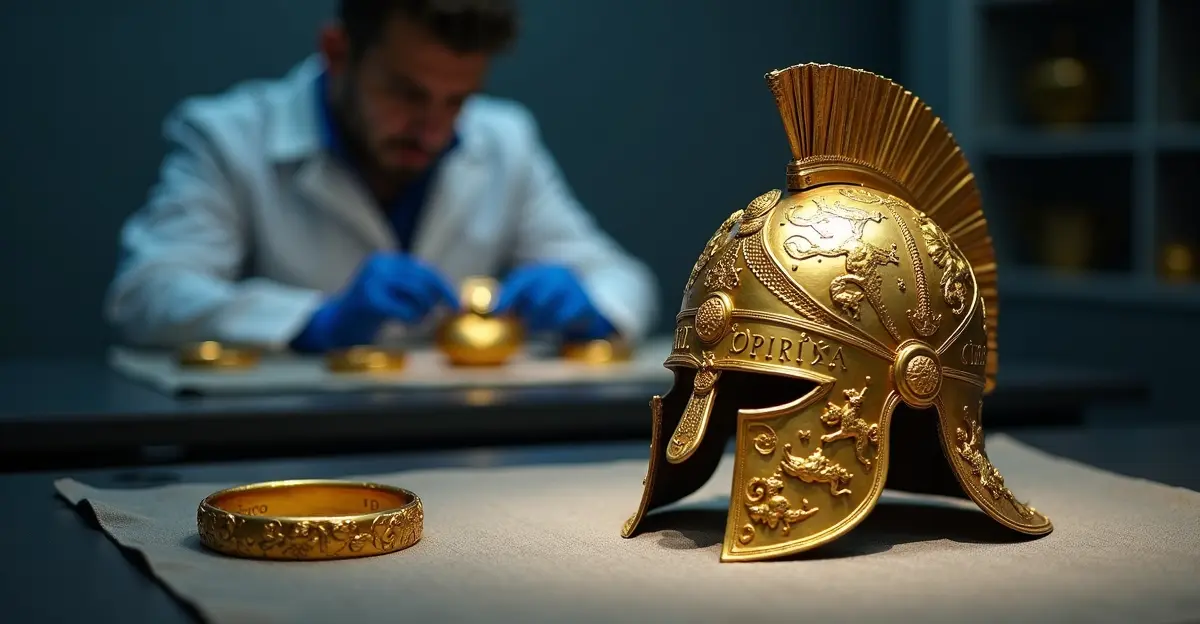
The January 2025 Drents Museum heist in Assen, Netherlands, involved thieves using explosives to break into the museum and steal €6 million worth of irreplaceable Dacian artifacts on loan from Romania's National History Museum. The stolen items included the legendary Helmet of Coțofenești (valued at €4.3 million) and three gold bracelets dating back to the 2nd century BC. The dramatic nighttime theft caused significant diplomatic tensions between the Netherlands and Romania and led to the firing of Romania's National History Museum director. The case represents a critical test for international art crime prosecution and cultural heritage protection.
The Prosecution's Strategic Deal
The Dutch Public Prosecution Service made a calculated decision to negotiate with suspects Jan B. (21) and Douglas Chesley W. (37), offering them reduced sentences of 44 months instead of the maximum 5.5 years requested for the third suspect, Bernhard Z. (35). In exchange, the two cooperating suspects returned the world-famous golden helmet of Cotofenesti and two of the three stolen golden armbands. 'It is clear that the Public Prosecution Service pulled out all the stops to get this process on its feet,' said reporter Martijn de Rijk, highlighting the extensive investigative efforts.
The deal included several critical components:
- Return of the stolen artifacts as a non-negotiable condition
- Agreement from the Drents Museum not to pursue compensation claims
- Judicial approval for the reduced sentences
- Waiver of certain trial rights by the cooperating suspects
This approach mirrors similar plea deal strategies in international art crime cases where cultural recovery takes precedence over maximum punishment.
Why This Deal Matters for Cultural Heritage
The recovery of the Romanian artifacts represents more than just a successful prosecution - it's a victory for global cultural heritage preservation. The Helmet of Coțofenești is considered one of Romania's most important archaeological treasures, dating back to approximately 450 BC and representing Dacian craftsmanship at its peak. The artifacts were returned to Romania on April 2, 2026, in a formal ceremony attended by Romanian prosecutors Stán Rares-Petru and Daniela Buruiana.
Prosecutors faced a race against time, as art experts warned that stolen artifacts are often quickly melted down or disappear into private collections. 'The faster you find those artworks, the smaller the chance that the whole thing has been melted down,' explained investigators familiar with the case. This urgency drove the prosecution to pursue negotiations rather than risk permanent loss of the cultural treasures.
Legal Implications and Trial Proceedings
The case highlights the growing use of plea deals in Dutch criminal justice, with approximately 550 such agreements made over the past three years. These 'procesafspraken' allow suspects to accept reduced sentences in exchange for waiving full trials, with all deals requiring judicial approval. Prosecutors may offer up to one-third less than standard sentences, while suspects typically accept charges, forgo witnesses, and waive appeal rights.
During the trial, the three suspects showed different approaches. Jan B. made incriminating statements to undercover agents, revealing that the stolen art was still in the Netherlands and providing evidence against his co-defendants. Douglas W. cooperated fully with authorities, while Bernhard Z. maintained his innocence, claiming he was only involved in preparations rather than the actual theft - a position the prosecution disputes.
The case continues with defense pleas scheduled for Thursday, expected to be concise 20-minute presentations. 'It has become a very compact process overall,' noted court observers, suggesting the plea deals have streamlined what could have been a lengthy trial.
What Happens to the Missing Artifact?
While the prosecution celebrates recovering most of the stolen artifacts, one golden armband remains missing. Authorities have no indication that the cooperating suspects possess the third bracelet, but this didn't prevent the deal from proceeding. The continued search for the missing artifact represents an ongoing challenge for Dutch and Romanian authorities, who must balance the successful recovery of most items with the disappointment of one remaining lost treasure.
The case demonstrates how international art crime investigations increasingly rely on cross-border cooperation and strategic negotiations. The Dutch approach of trading reduced sentences for artifact recovery could set a precedent for future cultural heritage theft cases worldwide.
Frequently Asked Questions
What artifacts were stolen from the Drents Museum?
The thieves stole the Helmet of Coțofenești (valued at €4.3 million) and three Dacian gold bracelets from the 2nd century BC, with a total value of approximately €6 million.
Why did prosecutors offer reduced sentences?
Prosecutors prioritized recovering the priceless cultural artifacts over maximum punishment, recognizing that quick recovery was essential to prevent the items from being melted down or disappearing permanently.
What happens to the recovered artifacts?
The artifacts were formally returned to Romania on April 2, 2026, and will be restored and preserved by Romanian cultural authorities.
How common are plea deals in Dutch criminal cases?
Plea deals have surged in the Netherlands, with approximately 550 agreements over the past three years, particularly in complex cases involving international elements.
What sentence did the non-cooperating suspect receive?
Bernhard Z., who refused to make a deal, faces a prosecution request for 5.5 years imprisonment, compared to 44 months for the cooperating suspects.





Follow Discussion