


 Deutsch
 English
 Español
 Français
 Nederlands
 Português


 Share
Share




Paris Bank Bomb Plot Foiled: Complete Guide to 2026 Terror Attack Attempt
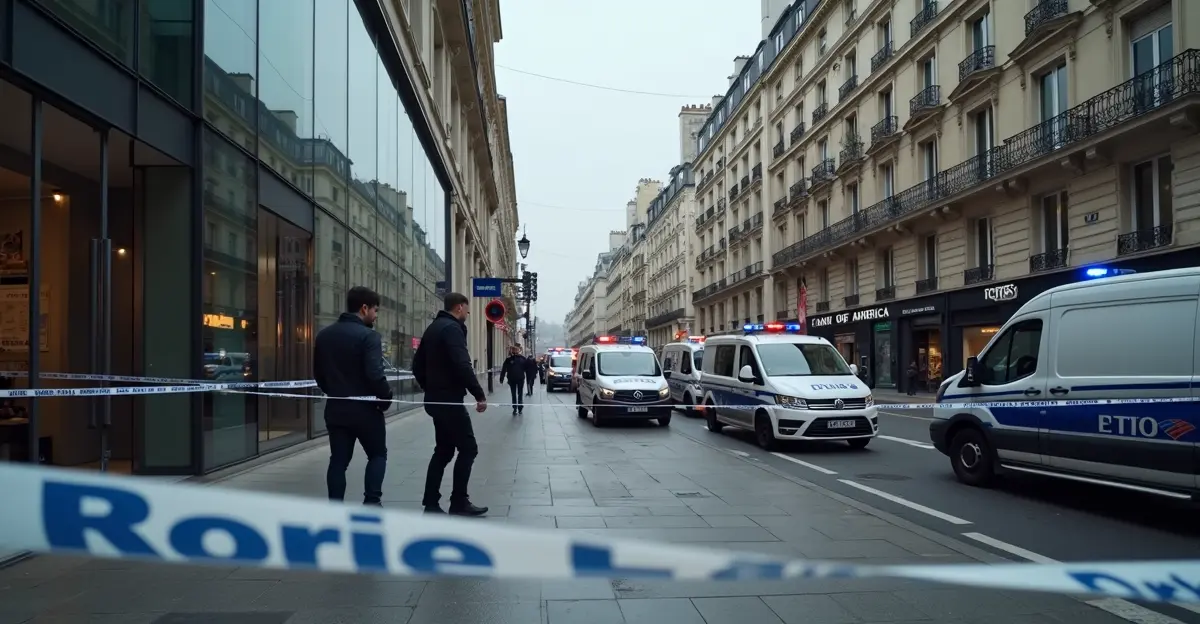
French police have successfully thwarted a potentially devastating terrorist attack targeting the Bank of America building in Paris on March 28, 2026, in what authorities describe as a 'violent action of a terrorist nature' linked to the ongoing Middle East conflict. The dramatic intervention occurred at 3:30 a.m. local time when police officers spotted two individuals attempting to detonate a homemade explosive device at the bank's entrance in the upscale 8th arrondissement, just blocks from the iconic Champs-Élysées.
What Happened During the Paris Bank Attack Attempt?
According to French Interior Minister Laurent Nuñez, police officers on routine patrol in the area noticed suspicious activity near the Bank of America branch at 51 rue La Boétie. One suspect, a 17-year-old male, was in the process of igniting a homemade explosive device containing five liters of flammable liquid and 650 grams of explosive powder when officers intervened. The device was constructed with two bottles of flammable liquid attached with adhesive tape and was moments from detonation.
The teenage suspect was immediately arrested, while a second accomplice across the street, who appeared to be filming the attack with a mobile phone, managed to escape and remains at large. During interrogation, the arrested suspect claimed he was recruited via Snapchat to carry out the bombing for a payment of 600 euros. French authorities have transferred the investigation to the national anti-terrorism prosecutor's office, which has opened a formal investigation into 'terrorist criminal conspiracy.'
Connection to Middle East Conflict
Minister Nuñez explicitly linked the attempted attack to the ongoing war in the Middle East that began one month earlier when Israel and the United States launched joint missile strikes against Iran. 'This reminds us of similar actions that have taken place in other countries such as the United Kingdom, Norway, Belgium, and the Netherlands,' Nuñez stated in an interview with French broadcaster BFMTV. 'France is not the only European country that is a target.'
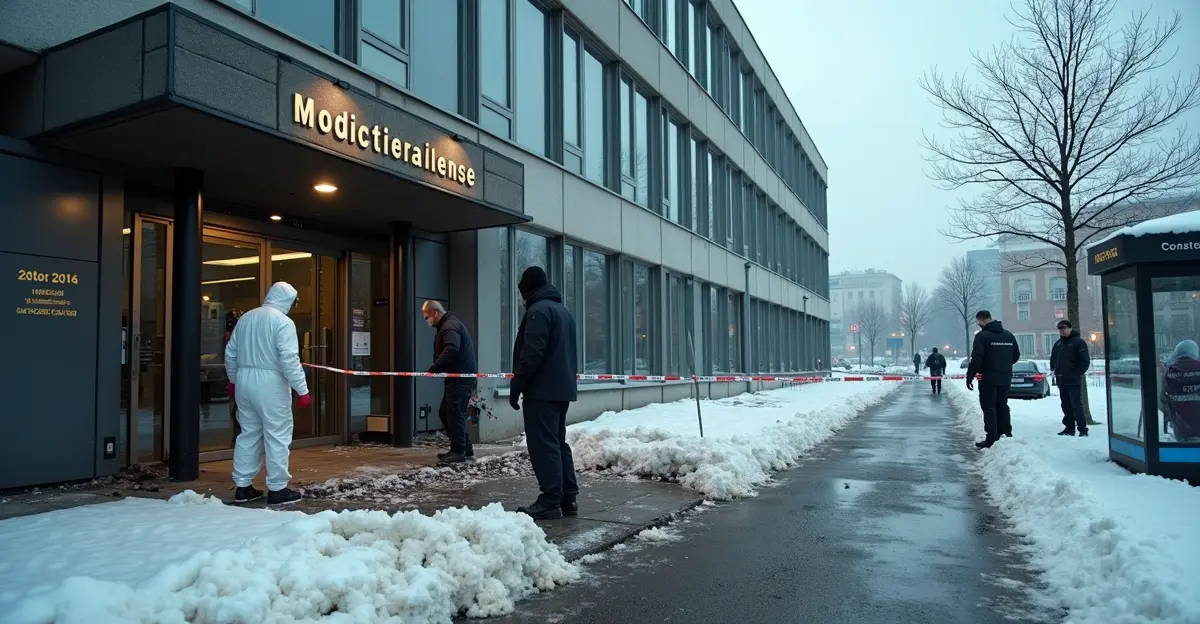
The attack attempt comes amid a series of antisemitic incidents across Europe claimed by the shadowy terrorist group Harakat Ashab al-Yamin al-Islamiyya (The Islamic Movement of the Companions of the Right). This group, which security analysts suspect has ties to Iranian proxies including the Islamic Revolutionary Guard Corps (IRGC), has claimed responsibility for attacks on Jewish institutions in Rotterdam, Amsterdam, Liège, and London. Similar to the 2025 synagogue attack plot in Heemstede, these incidents appear to target Jewish and American interests across Europe.
Security Implications for European Financial Institutions
The foiled Paris attack highlights significant security challenges facing Western financial institutions operating in Europe. Bank of America, as the second-largest banking institution in the United States and a globally recognized symbol of American financial power, represents a high-value target for groups seeking to retaliate against U.S. foreign policy. The bank's Paris branch is located in one of the city's most prestigious neighborhoods, making security particularly challenging given the dense urban environment.
French authorities have maintained heightened security around American, Israeli, and Jewish institutions since the outbreak of Middle East hostilities. 'Vigilance remains higher than ever,' emphasized Minister Nuñez, noting that police patrols were specifically increased in areas housing potential targets. The successful intervention demonstrates the effectiveness of France's counterterrorism strategy, which combines intelligence gathering, visible police presence, and rapid response capabilities.
Comparison: European Terror Threats 2026
| Location | Target | Date | Group Claiming Responsibility | Outcome |
|---|---|---|---|---|
| Paris, France | Bank of America | March 28, 2026 | Suspected Iranian proxies | Foiled by police |
| Rotterdam, Netherlands | Synagogue | March 2026 | Ashab al-Yamin | Arson attack |
| Liège, Belgium | Synagogue | March 2026 | Ashab al-Yamin | Explosive attack |
| London, UK | Jewish medical vehicles | March 2026 | Ashab al-Yamin | Arson attack |
What is Ashab al-Yamin?
Harakat Ashab al-Yamin al-Islamiyya (The Islamic Movement of the Companions of the Right) is a newly emerged terrorist organization that has claimed responsibility for multiple antisemitic attacks across Europe in early 2026. Security analysts describe the group as potentially an 'astroturfed terror brand' connected to Iranian-aligned networks, using low-cost, high-visibility operations to generate psychological impact. The group's propaganda videos, which appear on Shi'ite Telegram channels associated with Hezbollah and Iran's IRGC, feature amateurish production but spread rapidly on social media platforms.
Unlike more established terrorist organizations, Ashab al-Yamin appears to operate through recruitment of disaffected youth via social media platforms like Snapchat and Telegram, offering small payments for carrying out attacks. This decentralized model makes the group particularly difficult to track and disrupt through traditional counterterrorism methods. The European counterterrorism cooperation framework faces new challenges with these emerging threats that blend online radicalization with real-world violence.
Impact on European Security and Diplomatic Relations
The foiled Paris attack comes at a delicate diplomatic moment for France and Europe. French President Emmanuel Macron recently announced a major shift in France's nuclear policy, declaring that Europe is entering 'an age of nuclear weapons' amid the ongoing US-Israel war on Iran. This 'forward deterrence' policy involves bolstering France's nuclear arsenal and strengthening European nuclear cooperation while France walks a diplomatic tightrope—opposing Iran's nuclear ambitions while condemning US-Israel strikes as illegal.
The attack attempt also raises questions about the effectiveness of European security cooperation. While French authorities successfully prevented this specific incident, the broader pattern of attacks across multiple European countries suggests a coordinated campaign targeting Western interests. Security experts warn that the dissemination of terror videos online may inspire further copycat attacks, particularly among vulnerable youth populations.
Frequently Asked Questions (FAQ)
What was the target of the Paris bomb plot?
The target was the Bank of America branch at 51 rue La Boétie in Paris's 8th arrondissement, located near the Champs-Élysées.
Who was behind the attack attempt?
While no group has officially claimed responsibility, French authorities suspect links to Iranian proxies, possibly connected to the Ashab al-Yamin terrorist group that has claimed similar attacks across Europe.
How was the attack prevented?
Police officers on routine patrol spotted the suspects and intervened as one was attempting to ignite the explosive device. The timely intervention prevented detonation.
What was in the explosive device?
The homemade device contained five liters of flammable liquid and 650 grams of explosive powder in bottles attached with adhesive tape.
How does this relate to the Middle East conflict?
French authorities explicitly link the attack attempt to the ongoing war between Israel/US and Iran that began one month earlier, noting similar attacks on Western targets across Europe.




Follow Discussion