
 Deutsch
 English
 Español
 Français
 Nederlands
 Português






Film Production Safety Revolution: New Protocols Address Industry-Wide Concerns
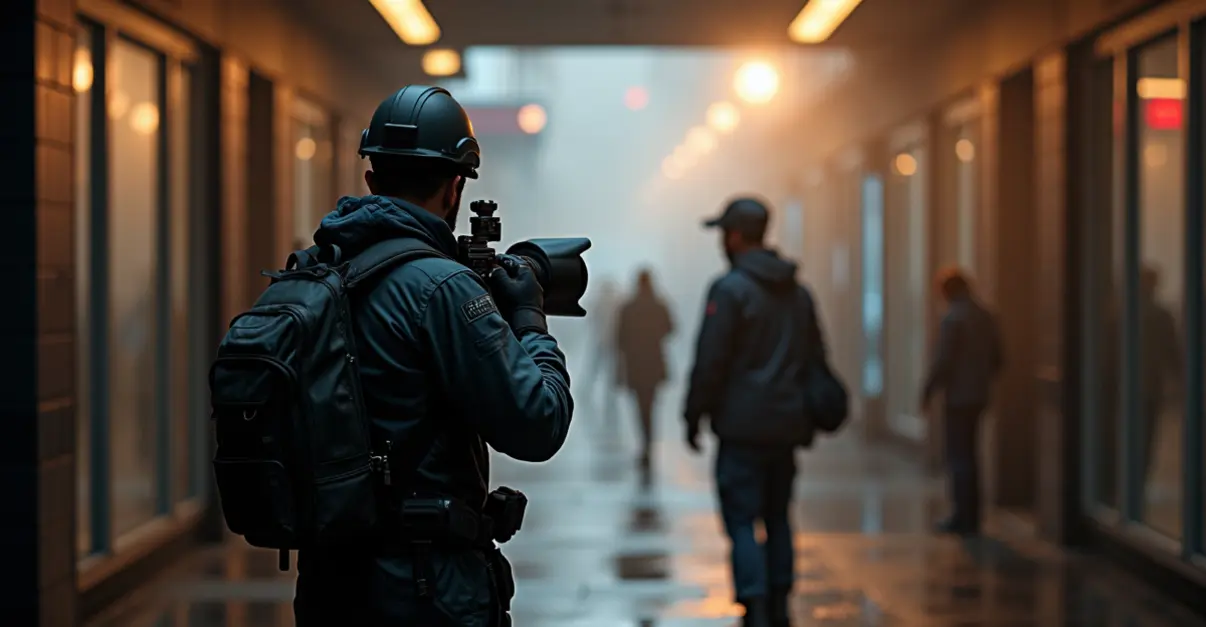
The film and television industry is undergoing a seismic shift in safety protocols following a series of high-profile tragedies and growing concerns about workplace conditions. Recent updates to production safety standards represent the most comprehensive overhaul in decades, with implications stretching from Hollywood studios to independent productions worldwide.
The Catalyst for Change
The tragic 2021 shooting on the set of 'Rust,' which claimed the life of cinematographer Halyna Hutchins, served as a wake-up call for the entire industry. 'We can no longer treat safety as an afterthought,' says veteran production manager Sarah Chen, who has worked on major studio films for over 20 years. 'The Rust tragedy exposed systemic failures that had been brewing for years.'
According to expert analysis, the incident highlighted critical gaps in firearm safety protocols, prop gun handling procedures, and overall safety culture on film sets. This wasn't an isolated incident—industry data reveals numerous near-misses and preventable accidents that had been occurring with alarming frequency.
Key Updates to Safety Protocols
The updated protocols, developed through collaboration between industry unions, management groups, and regulatory bodies, address several critical areas:
Enhanced Firearm Safety: New mandatory requirements include certified armorers on all sets using firearms, multiple safety checks before each use, and clear separation of live ammunition from prop areas. 'Every gun is now treated as if it's loaded, every time,' explains safety consultant Michael Rodriguez.
Comprehensive Risk Assessment: Productions must now conduct thorough pre-production risk assessments covering everything from stunts and special effects to location hazards and weather conditions. Industry guidelines emphasize that planning is the most critical safety component.
OSHA Compliance Updates: With OSHA's 2024 regulatory changes, film productions face stricter enforcement, higher fines for violations, and expanded requirements for digital record-keeping and incident reporting.
Union-Mandated Safety Officers: Major unions including IATSE and SAG-AFTRA now require designated safety officers on all productions, with specific training and authority to halt unsafe practices.
Industry Response and Implementation Challenges
The response from industry professionals has been mixed but generally supportive. 'These changes are long overdue,' says cinematographer James Wilson. 'We've been cutting corners on safety for too long, often in the name of budget and schedule.'
However, implementation presents significant challenges, particularly for smaller productions with limited budgets. The cost of additional safety personnel, equipment, and training could strain already tight production finances. 'We need to find a balance,' notes independent producer Maria Gonzalez. 'Safety shouldn't be a luxury only big studios can afford.'
The IATSE safety bulletins and Contract Services guidelines provide voluntary recommendations, but many in the industry are calling for mandatory standards with teeth.
Broader Implications for Policy and Communities
These safety updates extend beyond individual productions to affect broader policy landscapes and local communities. States with significant film industries, particularly California, Georgia, and New Mexico, are reviewing their own regulations to align with new industry standards.
Local communities hosting film productions are becoming more aware of safety concerns, with some municipalities requiring proof of comprehensive safety plans before issuing filming permits. 'We have a responsibility to protect both the production crews and our residents,' says Los Angeles city council member David Kim.
The insurance market is also responding, with premiums increasingly tied to demonstrated safety compliance. Productions with robust safety programs may see lower insurance costs, creating financial incentives for compliance.
The Path Forward
As the industry adapts to these new protocols, ongoing education and cultural change will be crucial. Regular safety training, transparent reporting of near-misses, and a shift from blaming individuals to improving systems represent the next frontier in production safety.
'This isn't about adding more rules,' concludes safety expert Dr. Elena Martinez. 'It's about building a culture where safety is valued as much as creativity and efficiency. When we protect our people, we protect our art.'
The coming years will test whether these updated protocols can prevent future tragedies while maintaining the creative energy that defines the film industry. With proper implementation and continued vigilance, the industry may finally achieve the safety standards that its workers deserve.




Follow Discussion