
 Deutsch
 English
 Español
 Français
 Nederlands
 Português






Mass Kidnapping Crisis Partially Resolved as Military Operation Frees Children
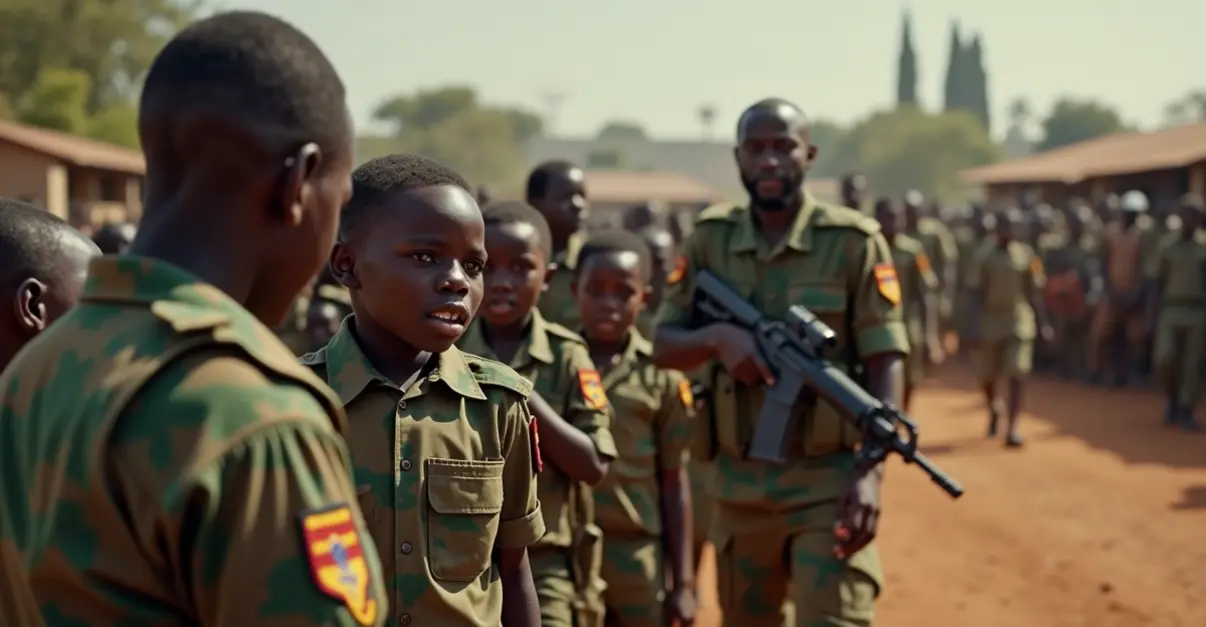
In a significant development in Nigeria's ongoing security crisis, 100 schoolchildren abducted from a Catholic boarding school last month have been rescued by Nigerian military forces. The children, some as young as five years old, were among more than 300 students and 12 teachers seized from St. Mary's School in Papiri, Niger State, on November 21, 2025, in what became one of the largest mass kidnappings in the country's history.
The Rescue Operation and Remaining Challenges
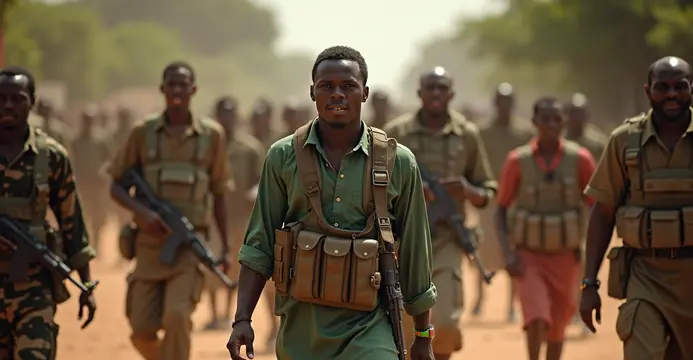
According to the Christian Association of Nigeria (CAN), which first reported the rescue, the children were freed through a military operation, though specific details about the rescue mission remain undisclosed for security reasons. 'We can confirm that 100 of our precious children have been returned to safety through the efforts of our security forces,' said Reverend Samson Ayokunle, President of CAN. 'While we celebrate this victory, our hearts remain heavy for the approximately 150 children still in captivity.'
The rescue comes after weeks of intense pressure on Nigerian authorities to secure the children's release. Shortly after the initial abduction, approximately 50 children managed to escape on their own, bringing the total number of freed children to 150, with about 165 still missing according to Wikipedia records.
Context of Nigeria's Kidnapping Epidemic
This incident highlights Nigeria's deepening security crisis, where kidnapping has evolved into a lucrative industry. According to Business Day Nigeria, between July 2024 and June 2025 alone, kidnappers demanded nearly N48 billion (approximately $1.66 million) in ransom payments, receiving verified payments of N2.57 billion across 997 incidents involving 4,722 victims.
'What we're witnessing is the industrialization of kidnapping,' explained security analyst Dr. Fatima Bello. 'Armed groups in Nigeria's northwest and north-central regions have turned abduction into a systematic business model, targeting schools, religious institutions, and vulnerable communities with increasing frequency.'
Structural Security Failures
The crisis exposes fundamental weaknesses in Nigeria's security apparatus. A Conversation analysis identifies critical institutional failures including severe police manpower shortages (only 370,000 officers for 220 million people), chronic underfunding, poor welfare conditions where junior officers earn just $44 monthly, and an over-centralized structure preventing local accountability.
President Bola Tinubu declared a security emergency earlier this year, but as noted in Outlook India's report, the crisis has continued to escalate. The situation involves multiple armed groups: Boko Haram and Islamic State West Africa Province (ISWAP) in the northeast driven by ideology, and non-ideological bandit groups in the northwest and north-central regions who rely primarily on ransom payments.
International Response and Local Impact
The Papiri kidnapping drew international condemnation, including from Pope Leo XIV and the United States government. The incident has led to widespread school closures across Niger State and heightened anxiety among parents and educational authorities.
'Every day my child is in school, I pray for their safety,' said parent Amina Mohammed, whose 8-year-old daughter attends a different school in Niger State. 'We cannot continue like this. Education should not be a death sentence.'
The Defence Headquarters has maintained that rescue operations continue for the remaining children. Major General Michael Onoja, Director of Defence Media Operations, stated in Vanguard Nigeria that 'the safety of the abducted children is a top national security priority' and urged the public to avoid sharing unverified information that could compromise operations.
Looking Forward
While the rescue of 100 children represents progress, security experts warn that without addressing the root causes—including poverty, unemployment, weak governance, and institutional security failures—Nigeria's kidnapping crisis will continue. The economic impact is already severe, with the 'ransom economy' draining household wealth, weakening business confidence, and disrupting agricultural production in affected regions.
As Nigeria celebrates the return of these 100 children to their families, the nation faces the sobering reality that approximately 165 children from the same incident remain missing, and thousands more Nigerians live under the constant threat of abduction in what has become one of Africa's most pressing security challenges.


Follow Discussion