


 Deutsch
 English
 Español
 Français
 Nederlands
 Português


 Share
Share




Federal Push Supercharges State EV Charging Infrastructure Plans
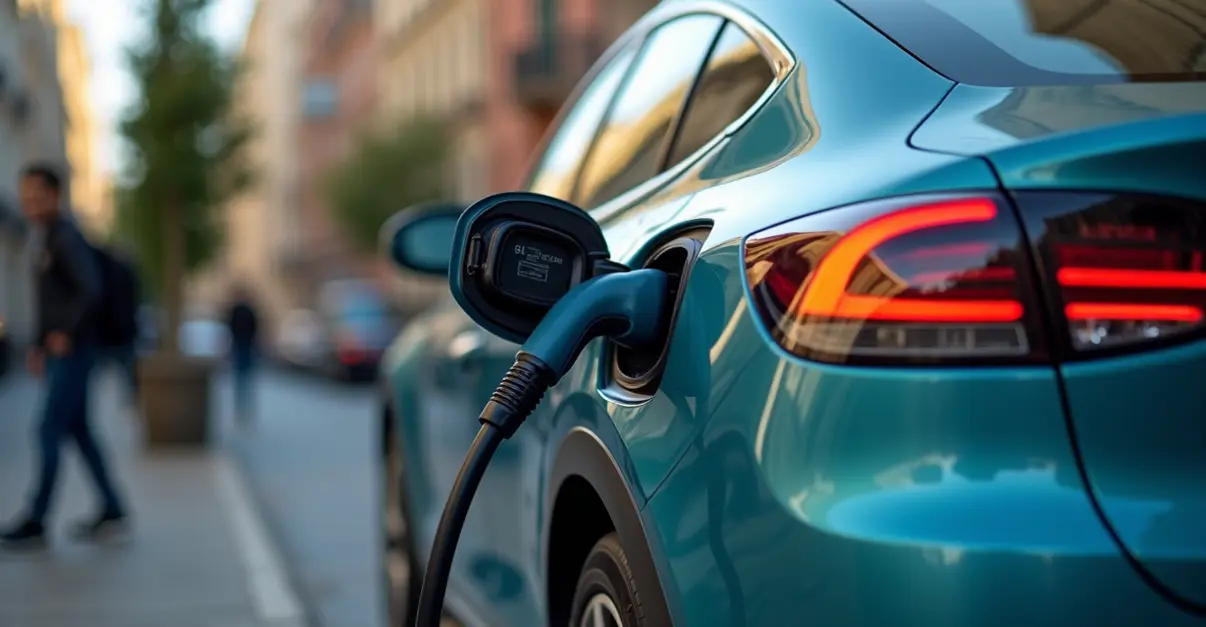
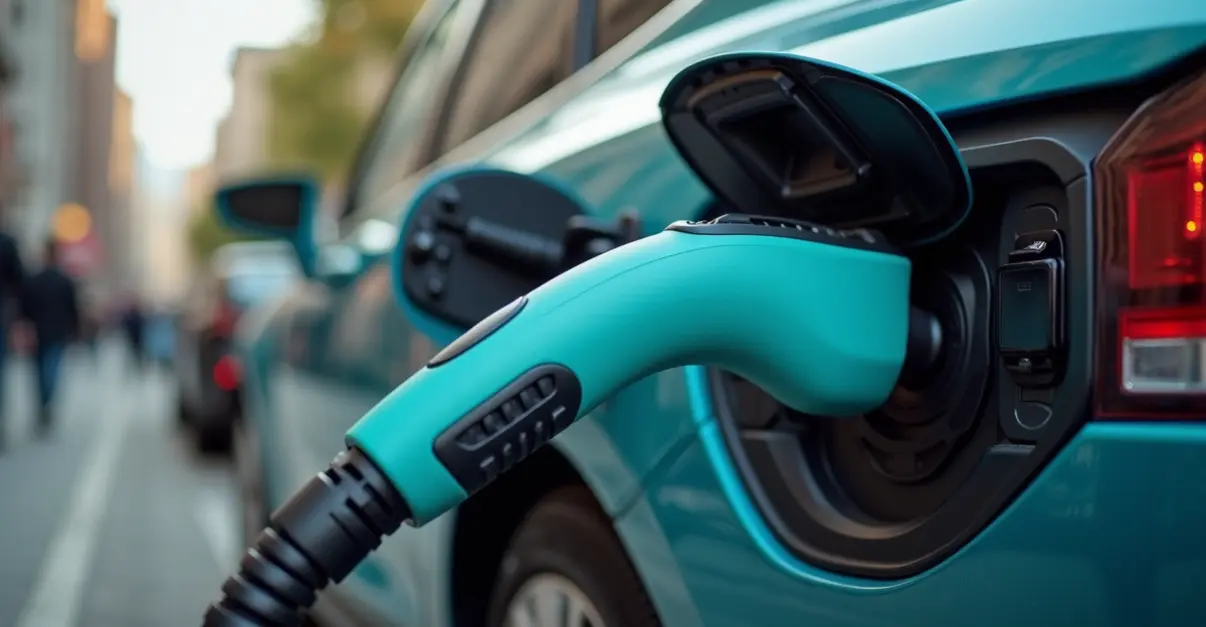
The national electric vehicle charging network is experiencing unprecedented growth as federal initiatives and state-level implementation converge to create what experts are calling 'the most significant transportation infrastructure transformation since the interstate highway system.' With the Federal Highway Administration (FHWA) accelerating state electric vehicle charging infrastructure plans as part of the Charging USA 2026 initiative, states are receiving enhanced support and resources to deploy charging stations more rapidly across their transportation systems.
'This isn't just about putting chargers in the ground—it's about building the backbone for America's clean energy future,' says transportation analyst Maria Rodriguez. 'The federal-state coordination we're seeing in 2026 represents a fundamental shift in how we approach transportation infrastructure.'
Current Status and Growth Metrics
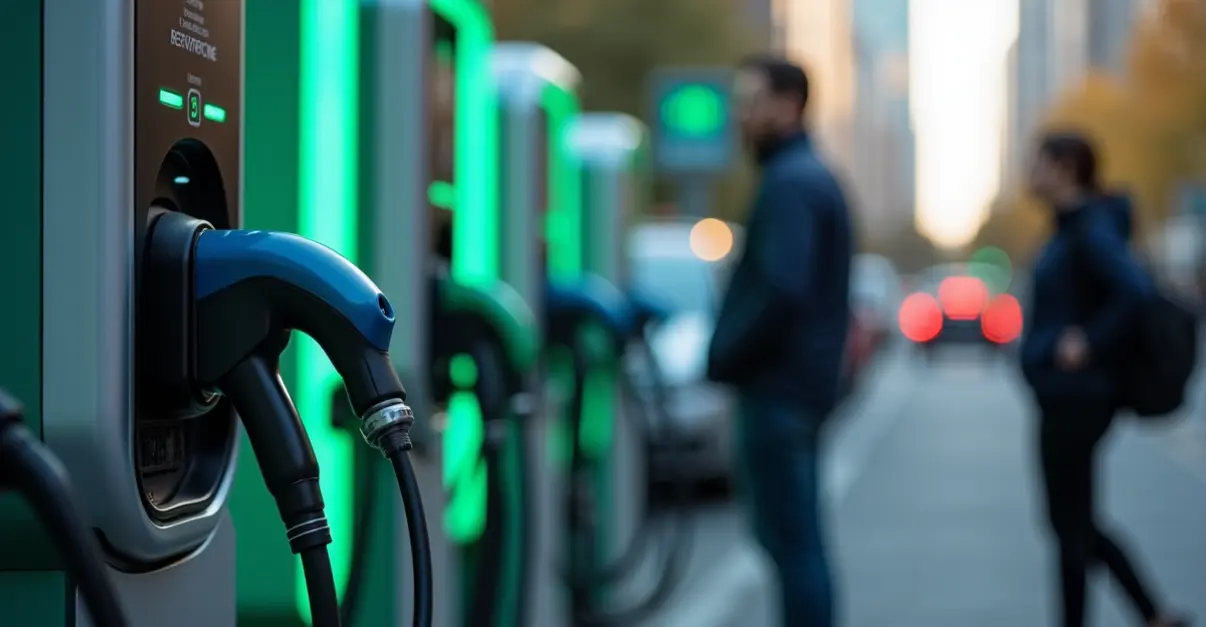
According to recent data, the U.S. electric vehicle charging infrastructure experienced dramatic growth in 2025, with public DC fast-charging ports increasing by 33% to reach 67,916 stalls nationwide as of January 2026. This represents an average of 46.5 new fast-charging stalls added daily throughout 2025. The total charging infrastructure now includes over 204,600 outlets across Level 2 and DC fast chargers, with 64% of Americans living within 2 miles of a public EV charging station.
The National Electric Vehicle Infrastructure (NEVI) Program, established in 2021 with a $4.155 billion budget, has faced some challenges but continues to drive deployment. As of June 2025, 38 states plus Puerto Rico and DC had issued awards through RFPs, with $670 million awarded (16% of total funds). Currently, 148 NEVI-funded charging ports are operational across 36 stations in 12 states.
Policy Implications and Market Dynamics
The policy landscape is evolving rapidly. The FHWA recently suspended approval of all state NEVI plans and halted new awards while updating program guidance, creating temporary uncertainty. However, this pause appears to be part of a broader strategy to refine implementation approaches. 'The temporary review allows us to incorporate lessons learned and ensure the program delivers maximum value to communities,' explains federal transportation official James Chen.
Market analysts note significant implications for multiple sectors. The charging network expansion is creating opportunities for utilities, technology companies, and construction firms. Smart charging technology is emerging as a crucial lever for enabling widespread EV adoption, with intelligent systems optimizing grid capacity and managing energy demand. 'Smart charging isn't just convenient—it's essential for grid stability as EV adoption accelerates,' notes energy consultant Sarah Williams.
Community Impact and Equity Considerations
Equity remains a central concern in the national rollout. States are incorporating Justice40 requirements into their deployment strategies, ensuring that disadvantaged communities receive at least 40% of the benefits from federal climate and clean energy investments. The Georgetown Climate Center has been analyzing how states are incorporating equity considerations into their EV charging deployment strategies.
'We're seeing innovative approaches to community engagement and priority area identification,' says equity advocate David Thompson. 'The challenge is ensuring that rural and underserved urban communities aren't left behind in this transition.'
Geographic distribution shows progress but also reveals gaps. While 90% of charging stations remain concentrated in urban areas, rural areas showed faster growth rates at 34% compared to urban areas at 29% in recent years. This suggests targeted efforts are beginning to address historical disparities.
Future Outlook and Industry Trends
Looking ahead to 2026 and beyond, industry experts predict transformative changes. AI-powered energy management will optimize charging schedules and reduce operating costs. Ultra-fast charging (350 kW+) and solid-state batteries will become mainstream, allowing 80% charge in 15-20 minutes. Vehicle-to-Grid (V2G) technology will unlock new revenue streams through bidirectional charging capabilities.
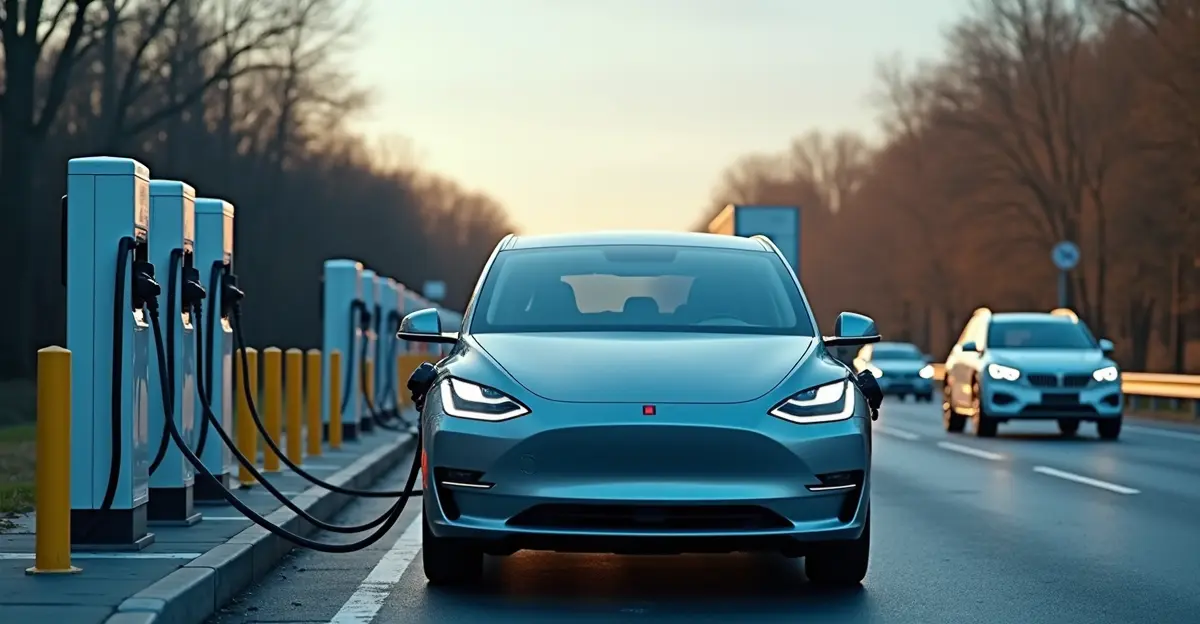
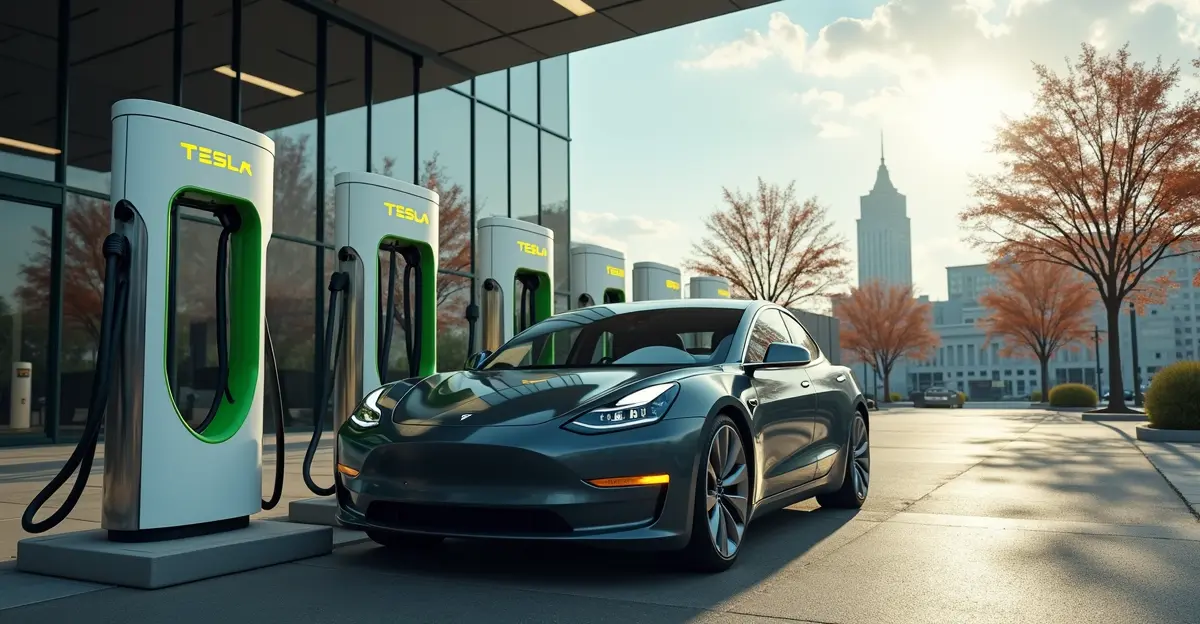
The charging network is currently led by Tesla Supercharger with approximately 22,000 ports, followed by Electrify America, EVgo, and ChargePoint. Industry consolidation and improved interoperability are expected to create more seamless charging experiences across networks.
'What we're building today will determine our transportation options for decades,' concludes infrastructure expert Lisa Park. 'The decisions we make now about charger placement, technology standards, and community engagement will shape America's mobility landscape for generations.'
For more information on federal programs, visit the U.S. Department of Energy's National EV Charging Network page. State-specific implementation details can be found through resources like the State Climate Policy Dashboard.
<!--similar-->anwb<!--/similar-->

Follow Discussion