Nederlands
 English
 Deutsch
 Français
 Español
 Português





The Dream of Traffic-Free Urban Centers
Imagine a city where rush hour gridlock is a thing of the past. Thanks to artificial intelligence, that dream is inching closer to reality. AI-driven traffic management systems are being developed to optimize vehicle flow, reduce congestion, and create more livable urban environments.
How AI is Transforming Traffic
Intelligent Transportation Systems (ITS) use a network of sensors, cameras, and data analytics to monitor traffic in real time. AI algorithms process this data to predict congestion and adjust traffic signals, suggest alternative routes to drivers, and even coordinate with public transportation.
In 2025, advancements in machine learning have made these systems more predictive and responsive. For instance, the NoamAI Air Traffic Controller system, originally designed for aviation, is being adapted for urban traffic control. It processes thousands of data points per second to enhance situational awareness and decision-making.
Real-World Applications
Smart Traffic Lights
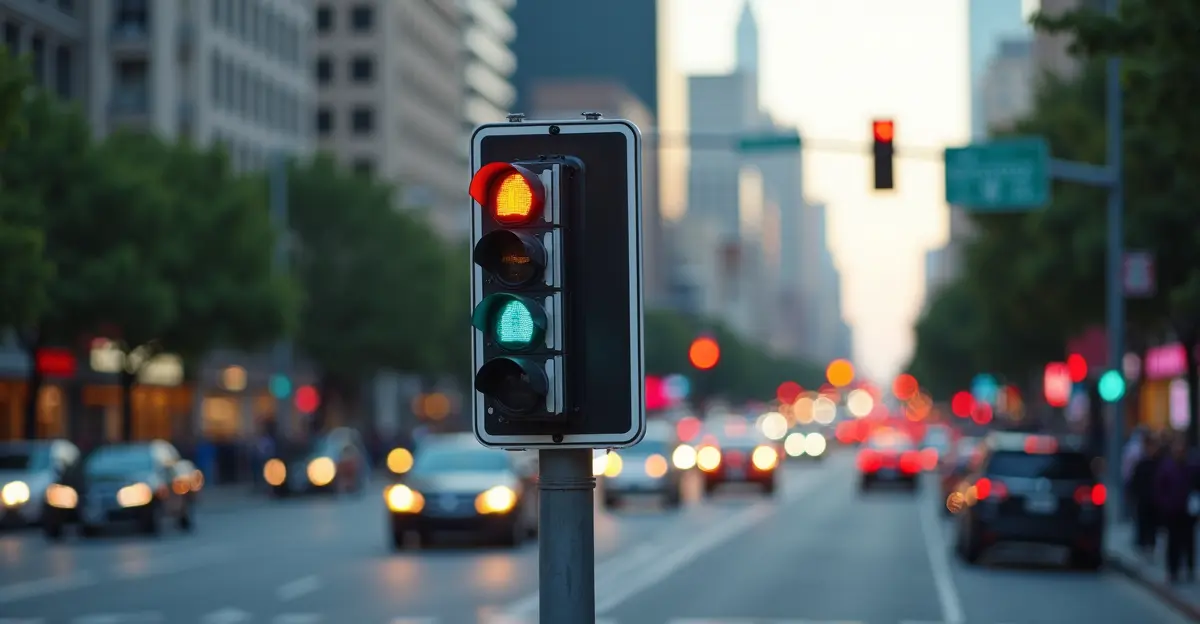
In cities like Pittsburgh and Singapore, AI-controlled traffic lights have reduced travel times by up to 25%. These systems adjust signal timings based on actual traffic conditions, not fixed schedules.
Integrated Mobility Platforms
Companies like NoamAI are developing platforms that integrate data from cars, buses, bikes, and pedestrians. This holistic view allows AI to optimize the entire transportation network, not just individual routes.
Challenges Ahead
Despite the promise, there are hurdles. Privacy concerns arise with constant surveillance. Also, the cost of deploying such systems city-wide is significant. Moreover, human behavior - like ignoring AI suggestions - can limit effectiveness.
The Road to Traffic-Free Cities
By 2030, experts predict that AI could make congestion a rarity in smart cities. The integration of self-driving cars with AI traffic systems will be a game-changer. As EASA's roadmap for AI certification shows, regulatory frameworks are evolving to support such innovations.
The future of urban mobility is not just about fewer traffic jams - it's about cleaner air, safer streets, and cities designed for people, not cars.