Nederlands
 English
 Deutsch
 Français
 Español
 Português





The AI Copyright Dilemma
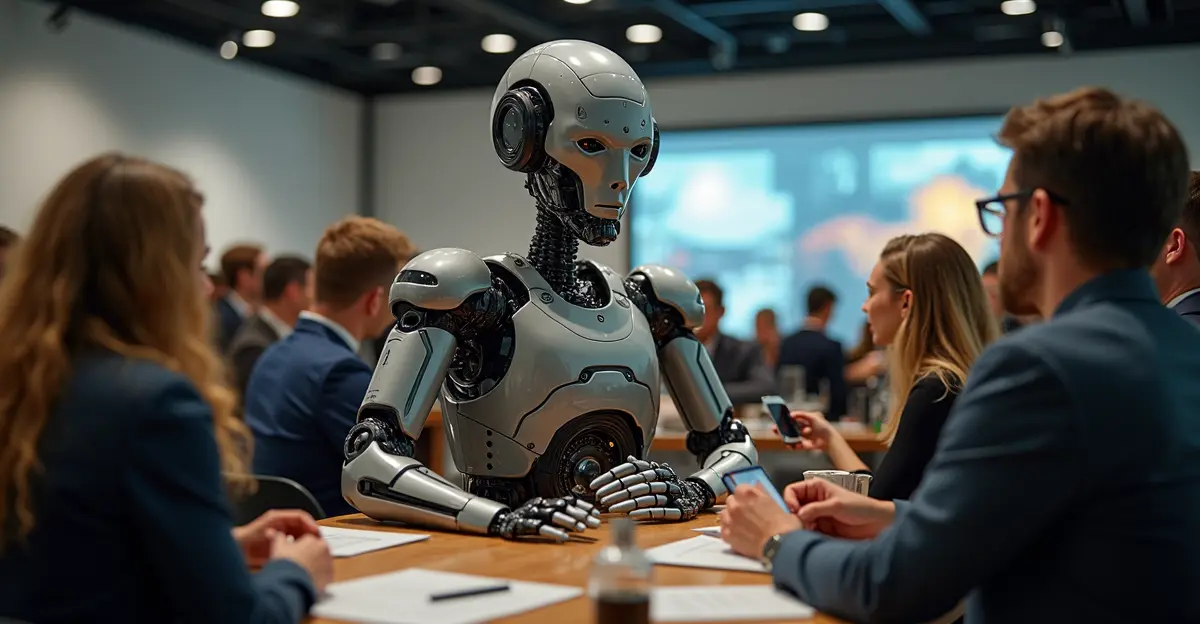
As artificial intelligence reshapes creative industries, a critical question emerges: who owns the rights to AI-generated content? Tech companies and creators are now collaborating on a groundbreaking framework to resolve copyright disputes in the generative AI era.
Breaking the Impasse
For years, lawsuits have piled up as artists and publishers challenged AI companies over training data. Landmark cases like Andersen v. Stability AI and The New York Times vs. OpenAI highlight the legal gray areas. The proposed framework would establish:
- Clear guidelines for training data usage
- Licensing systems for copyrighted materials
- International dispute resolution mechanisms
- Human-AI collaboration standards
Global Legal Landscape
Different regions are taking varied approaches. The U.S. maintains strict human authorship requirements, as seen in the Thaler v. Perlmutter decision. Meanwhile, China's Beijing Internet Court recently granted copyright to an AI-generated image, recognizing human creative input.
Legislative Momentum
The EU's AI Act mandates transparency in training data, while the proposed U.S. Generative AI Copyright Disclosure Act would require companies to reveal datasets. "We need rules as innovative as the technology," says WIPO Director General Daren Tang, whose organization is facilitating the global talks.
The Path Forward
Key stakeholders will meet in Geneva next month to finalize principles. Content creators seek compensation systems, while tech companies advocate for fair use exceptions. The compromise framework aims to balance protection with innovation, potentially including:
- AI content labeling standards
- Revenue-sharing models
- Opt-out mechanisms for creators
As generative AI becomes ubiquitous, this collaborative approach offers hope for resolving copyright tensions that have stalled innovation across creative industries.