Nederlands
 English
 Deutsch
 Français
 Español
 Português






The Rise of AI Influencers
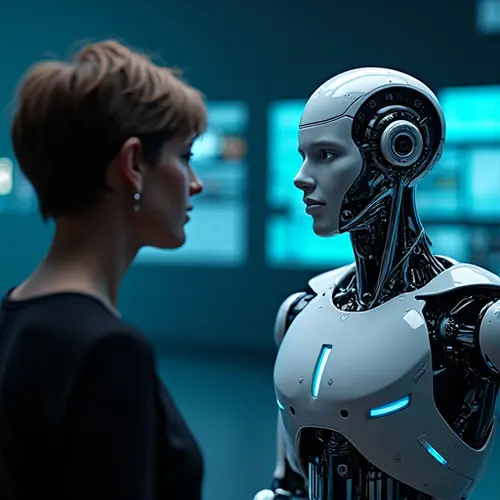
In recent years, the digital landscape has witnessed the emergence of AI-generated influencers, synthetic personas that interact with audiences on platforms like Instagram and OnlyFans. These virtual entities, powered by advanced generative AI technologies such as GANs and text-to-image models, offer a lifelike experience, blurring the lines between human and artificial engagement.
The Business Behind Synthetic Influencers
Behind every AI influencer is a team of developers, marketers, and content creators who manage their online presence. Companies specializing in AI-driven content creation have capitalized on this trend, crafting personas tailored to niche audiences. These influencers generate revenue through sponsorships, merchandise, and exclusive content subscriptions, much like their human counterparts.
Legal and Ethical Gray Areas
The rise of AI influencers has sparked debates around authenticity, consent, and legal accountability. Unlike human influencers, these synthetic personas lack legal personhood, raising questions about liability for their actions. Additionally, the use of AI in adult entertainment, including AI-generated pornography, has intensified ethical concerns, particularly regarding non-consensual content and deepfake misuse.
Regulatory Challenges
Governments and platforms are grappling with how to regulate AI influencers. Some jurisdictions have introduced laws targeting deepfake apps and non-consensual imagery, but the rapid evolution of AI technology outpaces legislative efforts. The lack of clear guidelines leaves a legal gray area, complicating enforcement and accountability.
For more insights, visit Wikipedia.