


 Deutsch
 English
 Español
 Français
 Nederlands
 Português


 Share
Share




The Rise of AI Productivity Coaches in HR
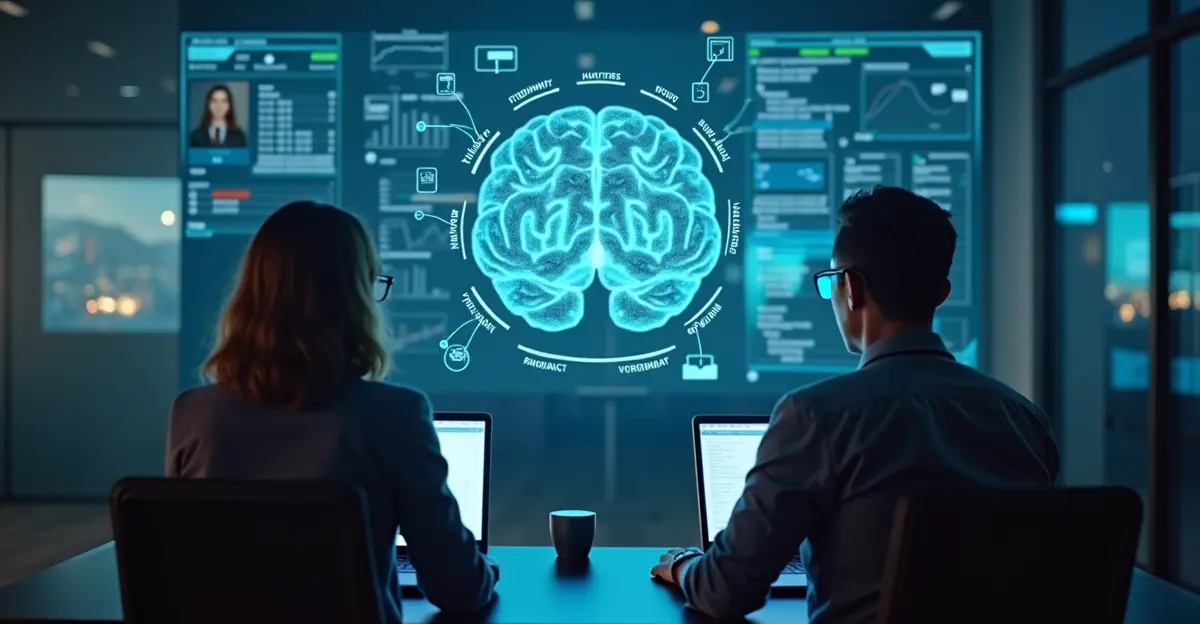
In 2025, HR departments are increasingly turning to AI productivity coaches to monitor and optimize employee output, task prioritization, and even emotional well-being. These AI systems, powered by advanced algorithms and machine learning, are designed to enhance workplace efficiency while addressing the growing demand for mental health support in corporate environments.
How AI Coaches Work
AI productivity coaches analyze employee behavior, workload, and stress levels through data collected from emails, calendars, and even wearable devices. They provide real-time feedback, suggest task prioritization, and offer personalized recommendations to improve productivity. Some systems even include emotional well-being modules, offering mindfulness exercises or suggesting breaks when stress levels are high.
The Benefits and Controversies
Proponents argue that AI coaches reduce burnout and improve work-life balance by ensuring employees don't overwork themselves. However, critics raise concerns about privacy and the potential for micromanagement. McKinsey research estimates that AI could add $4.4 trillion to global productivity by 2030, but the ethical implications of such surveillance remain a hot topic.
The Future of Work
As AI continues to evolve, its role in HR is expected to expand. From automating routine tasks to providing emotional support, AI productivity coaches are reshaping the workplace. While the technology promises efficiency, businesses must navigate the fine line between optimization and employee autonomy.




Follow Discussion