


 Deutsch
 English
 Español
 Français
 Nederlands
 Português


 Share
Share




Belgian Authorities Warn of AI-Generated Royal Impersonation Scams
Belgian prosecutors have issued an urgent warning about sophisticated fraud operations using artificial intelligence to create deepfake videos of King Philippe in elaborate scams targeting business leaders and wealthy individuals. According to the Belgian Public Prosecutor's Office and Centre for Cybersecurity Belgium (CCB), scammers have been impersonating the Belgian monarch, his chief of cabinet Vincent Houssiau, and Major General Stéphane Dutron since early 2025.
How the Scams Operate
The fraudsters initially contacted victims through WhatsApp, email, or phone calls, claiming to need financial support for the supposed release of Belgian journalists held hostage in Syria. 'The suspects asked for financial support in a first phase for the alleged liberation of Belgian journalists who were said to be held hostage in Syria,' explained the prosecutor's office.
While most victims recognized the deception, at least one person transferred money to the scammers. After a brief lull, the scams have resurged in early 2026 with a disturbing new element: victims are now being invited to video calls featuring what appears to be King Philippe.
The AI Deepfake Dimension
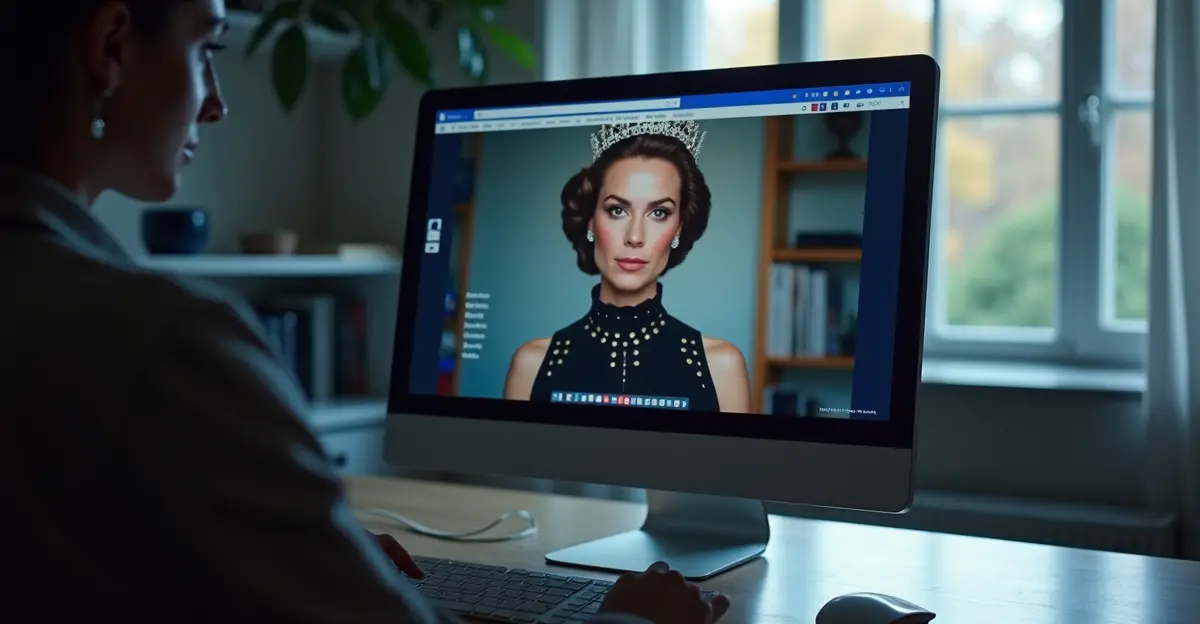
'A striking new element is that victims are invited to a video conversation, in an attempt to convince them that it is effectively about the king,' authorities stated. 'The images in this video conversation are possibly generated by artificial intelligence.'
This represents a significant escalation in online fraud tactics. According to Forbes research, deepfake attacks now occur every five minutes and account for 40% of biometric fraud, with criminals using AI-generated fake videos and voice clones to steal millions.
Additional Fraud Tactics
Beyond the deepfake video calls, scammers are also sending fake invitations to non-existent gala dinners supposedly organized by the King Baudouin Foundation in February and April 2026. Businesses are being asked to sponsor these phantom events, with fraudsters using sophisticated techniques to make communications appear legitimate from the Royal Palace.
The targets have evolved from foreign dignitaries and Belgian families to primarily Belgian business leaders who might have connections to or respect for the monarchy. Experian's 2026 Future of Fraud Forecast identifies deepfake exploitation as one of the top five fraud threats for the coming year, noting that consumers lost over $12.5 billion to fraud in 2024 alone.
Investigation and Prevention
The Federal Prosecutor's Office is conducting an investigation with specialized police units, though the identity of the perpetrators remains unknown. Authorities emphasize that neither the King nor any legitimate royal institution would ever contact individuals directly to request money.
Security experts recommend several protective measures: always verify suspicious requests through separate, established channels; be wary of any unsolicited communications from supposed public figures; and look for telltale signs of deepfakes like unnatural blinking, mismatched lip-sync, or robotic audio tones.
As AI technology becomes more accessible, such sophisticated impersonation scams are likely to increase, making public awareness and technological countermeasures increasingly crucial in the fight against digital fraud.



Follow Discussion