

 Deutsch
 English
 Español
 Français
 Nederlands
 Português

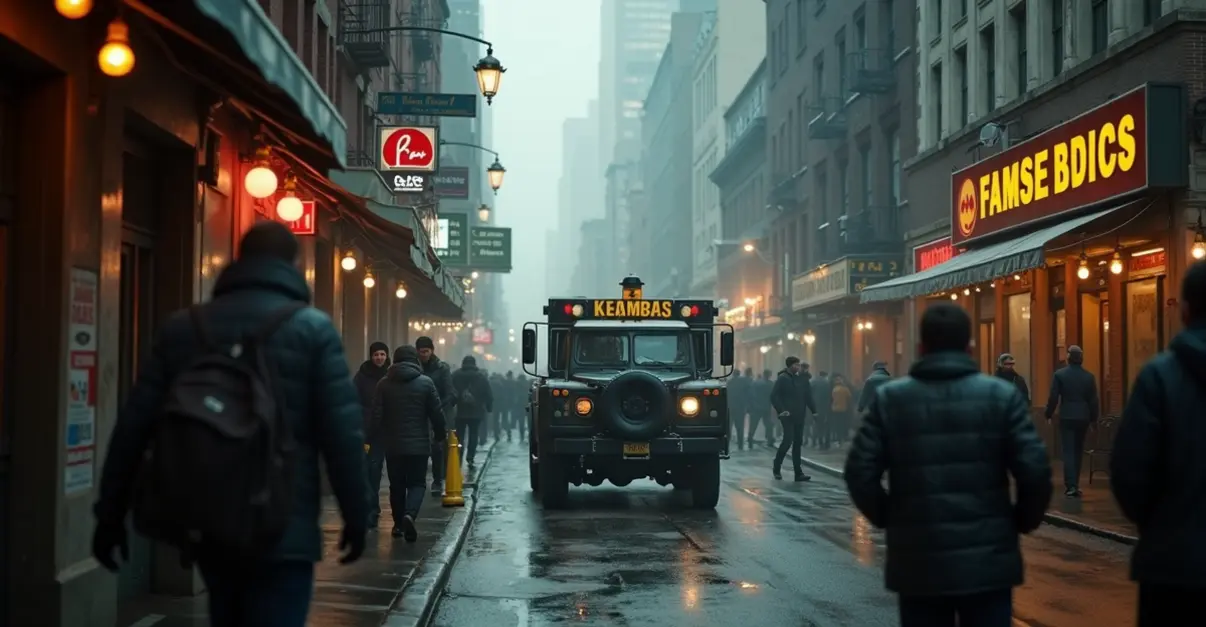





Hollywood's Below-the-Line Workers Face Uncertain Future Amid Contract Delays
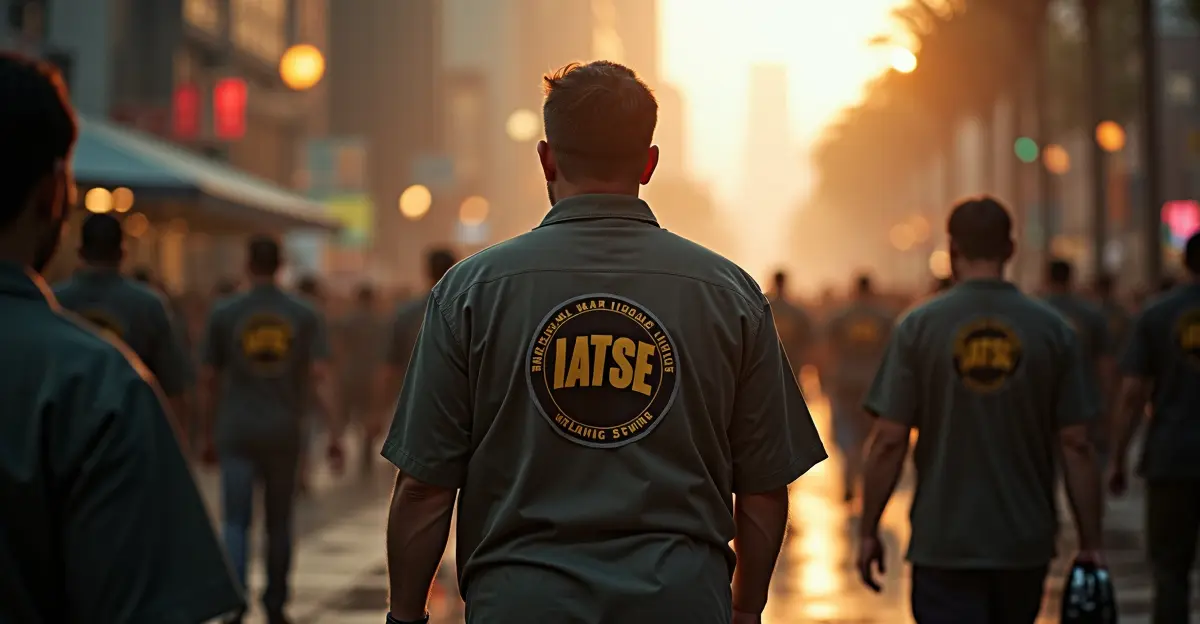
As 2025 unfolds, the film industry finds itself at a critical crossroads, with labor negotiations for production crews stalling while the economic impact on below-the-line workers deepens. The International Alliance of Theatrical Stage Employees (IATSE), representing over 168,000 technicians, artisans, and craftspersons across North America, faces mounting pressure as production levels have plummeted by 40% compared to pre-strike levels, according to recent industry analysis.
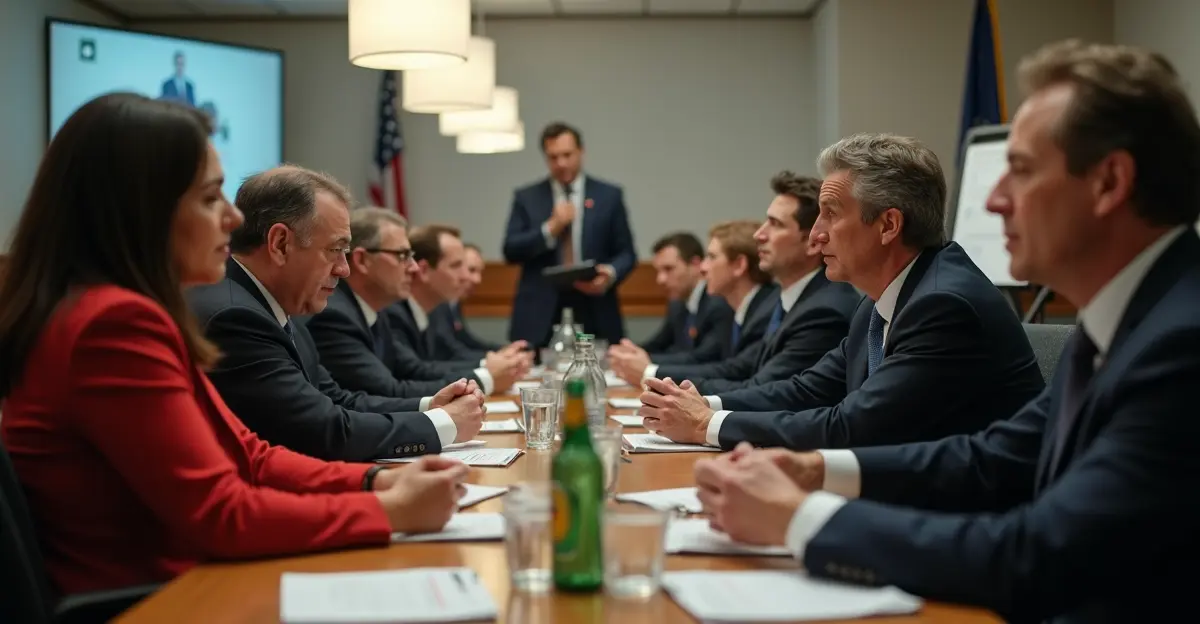
The Negotiation Standstill
Current labor talks between IATSE and major studios have hit significant roadblocks, with key issues including streaming residuals, AI protections, and proper classification of workers remaining unresolved. 'We're seeing the same pattern from 2021 repeating itself,' says veteran grip Michael Rodriguez, who has worked in Hollywood for 25 years. 'The studios want to do more with less, and we're the ones paying the price with our livelihoods.'
The situation has become particularly tense following the recent strike on the independent film 'The Gun on Second Street' in West Virginia, where approximately 40 crew members walked off the set after producers declined to voluntarily recognize their union. This strike highlights the broader struggle facing crew members across the industry, with IATSE reporting that a majority of the crew wants to unionize due to labor issues including below-industry-standard wages, inadequate health and retirement benefits, and misclassification as independent contractors.
Economic Impact on Production Crews
The economic consequences of the production slowdown are staggering. Feature film production has declined by 42%, television series by 45%, and streaming content by 40% compared to pre-strike levels. Los Angeles alone is losing an estimated $150 million monthly in hospitality and service industries that support film production.
'I haven't worked a steady gig in eight months,' shares Sarah Chen, a production designer with 15 years of experience. 'The ripple effect is devastating - from caterers to equipment rental companies, everyone in our ecosystem is suffering.'
The entertainment and media industry experienced an 18% increase in layoffs in 2025, with over 17,000 jobs cut across television, film, broadcast, news, and streaming sectors. This continues a troubling trend from recent years, driven primarily by industry consolidation and restructuring.
AI's Growing Role and Labor Concerns
Compounding the labor issues is the rapid advancement of artificial intelligence in film production. Tools like Lightcraft's Jetset now offer virtual production capabilities on smartphones for as little as $80 per month, enabling tasks that once required full crews and soundstages to be accomplished by individuals with laptops.
'AI represents both innovation and threat,' explains Dr. Elena Martinez, a media labor economist at UCLA. 'While it opens doors for low-budget creators, it also threatens the decades-honed expertise of veteran crew members who fear being replaced by algorithms.'
On-location filming in Los Angeles dropped 22.4% in early 2025, reflecting both the labor disputes and the industry's shift toward more automated production methods. The technology is reshaping roles across makeup, editing, storyboarding, and production design, raising urgent questions about the future of crew labor and creative control.
Internal Union Reforms and Member Activism
Within IATSE itself, reform efforts are gaining momentum. The Caucus of Rank-and-File Entertainment Workers (CREW), formed in 2022 after members rejected a 2021 contract that passed through an electoral college system despite popular vote opposition, has developed 11 proposals under their STAND platform (Supporting Transparency, Accountability, New Ideas, and Democracy).
Key reforms include establishing direct election of the IATSE International President, ending the electoral college-like contract voting system, and implementing remote convention attendance to increase accessibility. 'We need a union that truly represents its members, not just the established leadership,' says Maria Gonzalez, a camera operator and CREW organizer.
The Path Forward
Industry analysts suggest several strategies to overcome the current slowdown, including adopting virtual production technologies, strengthening studio-union communication, and implementing flexible scheduling approaches. However, with major studio mergers on the horizon - including the potential sale of Warner Bros. Discovery to either Netflix or Paramount - experts predict further consolidation and job losses.
Paramount has promised $6 billion in cost cuts over three years, with analysts predicting at least 6,000 job losses, similar to Disney's 2019 Fox acquisition downsizing that eliminated over 4,000 positions. Netflix's proposed takeover would involve $2-3 billion in cost cuts, primarily in support areas and overlapping tech capabilities.
'This isn't just about contracts anymore,' concludes veteran lighting technician James Wilson. 'It's about whether there will be a film industry for the next generation of crew members to work in. We need sustainable solutions that protect both artistic integrity and worker dignity.'
As negotiations continue, the fate of thousands of film industry professionals hangs in the balance, with the broader cultural implications of a diminished production landscape affecting everything from local economies to the diversity of stories told on screen.




Follow Discussion