


 Deutsch
 English
 Español
 Français
 Nederlands
 Português


 Share
Share




AI-Generated Pranks Cause Police Response Chaos
Dutch police are issuing urgent warnings to parents about a disturbing new trend where teenagers are using artificial intelligence filters to create realistic-looking images of homeless people invading their homes. The elaborate pranks have resulted in multiple emergency police responses, including helicopter deployments, as concerned parents believe their children are in genuine danger.
The Viral Prank That Fooled Parents
Under the title 'Pranking my mom with the AI homeless man filter,' social media users are sharing WhatsApp conversations showing increasingly panicked parents reacting to fabricated scenarios. The trend typically begins with a photo of an unkempt man standing in the doorway, followed by images showing the supposed intruder making coffee and even taking naps in beds. 'She kept calling me, it was so sad,' laughs one daughter in a viral TikTok video. 'I'm going to get in so much trouble when she finds out this is a joke.'
Police Resources Strained
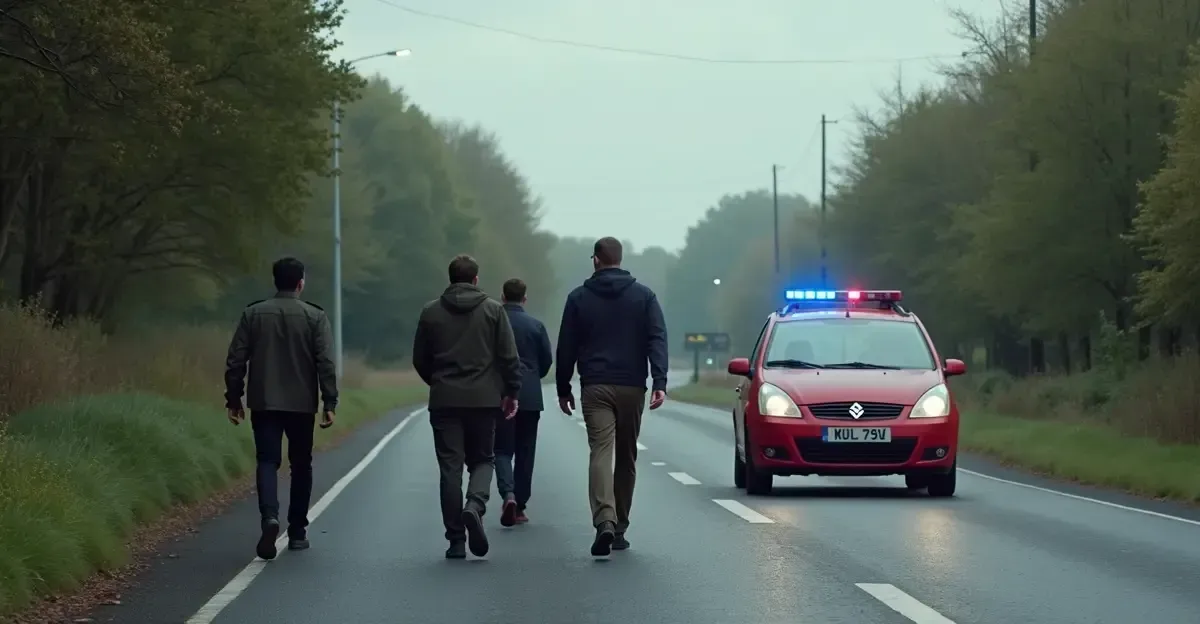
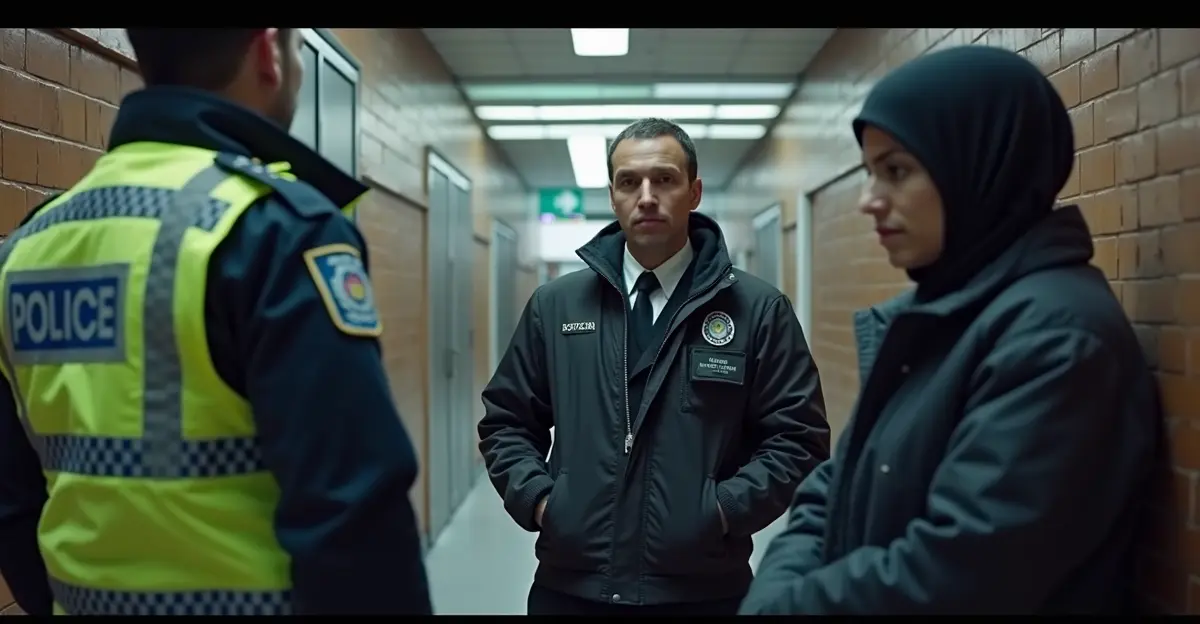
Law enforcement officials confirm they've received multiple emergency calls from terrified parents who genuinely believe their children are at risk. 'When police receive reports about a stranger being inside someone's home, we don't question it. We go all out,' a police spokesperson told NOS Stories. 'This means we have to put other police work on hold at that moment.' The situation has become so serious that police helicopters were deployed twice to prevent the supposed intruders from escaping.
Growing Concern About AI Misuse
This incident highlights the growing concerns about AI technology being used for harmful pranks and misinformation. According to Wikipedia's video manipulation page, deepfake technology has evolved significantly since 2017 when an amateur coder first began altering videos using facial recognition algorithms. The technology has now become accessible enough for teenagers to create convincing fake scenarios that trigger real emergency responses.
Parental Reactions and Police Advice
One father's reaction captured in another social media post shows the genuine concern these pranks cause: 'Wow, how can you just let someone in like that... that's a homeless person. Watch your belongings.' Police are now advising recipients of such messages to first verify with the sender whether the situation is genuine. 'If people receive a video showing a stranger in their house, they should check with the person sending the message whether it's a joke, to prevent unnecessary police deployment,' the spokesperson emphasized.
Broader Implications for Emergency Services
The situation raises important questions about emergency service resource allocation. As detailed in emergency response protocols, police must prioritize life-threatening situations, and false alarms divert resources from genuine emergencies. The increasing sophistication of AI tools means such pranks could become more common, potentially overwhelming emergency services with fabricated crises.
Looking Forward
As AI technology continues to advance, law enforcement agencies worldwide are grappling with how to distinguish between genuine emergencies and sophisticated pranks. The Dutch police's warning serves as an important reminder about the responsible use of emerging technologies and the real-world consequences of digital mischief.


Follow Discussion