Nederlands
 English
 Deutsch
 Français
 Español
 Português
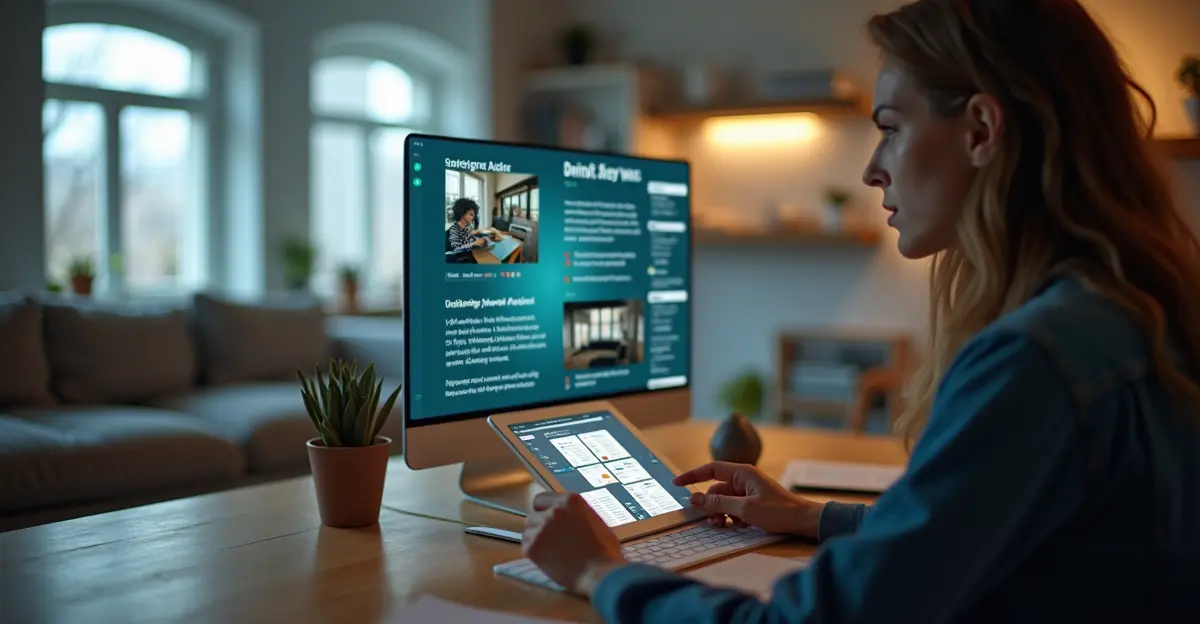





The Rise of Personal AI Assistants in Modern Homes
Households across the globe are increasingly adopting artificial intelligence assistants to manage their daily schedules and household chores, marking a significant shift in how families organize their lives. These AI systems, once considered futuristic technology, are now becoming mainstream household fixtures.
How AI Assistants Transform Daily Life
Modern AI assistants can handle everything from scheduling appointments and managing calendars to coordinating family activities and even suggesting meal plans based on dietary preferences and available ingredients. "Our AI assistant has completely changed how our family operates," says Sarah Thompson, a mother of three from Seattle. "It remembers everything from school events to doctor appointments, and even suggests the most efficient grocery shopping routes."
Market Growth and Adoption Rates
The market for household AI assistants has seen explosive growth in 2025, with adoption rates increasing by over 200% compared to the previous year. Major tech companies including Google, Amazon, and Apple have expanded their AI assistant capabilities, while new startups are emerging with specialized solutions for family management.
Advanced Features and Capabilities
Today's AI assistants go beyond simple voice commands. They can learn family routines, predict needs before they're expressed, and even coordinate between multiple family members' schedules to find optimal times for activities. Some systems integrate with smart home devices to automate chores like vacuuming, laundry scheduling, and temperature control.
Privacy and Security Considerations
As these systems become more integrated into daily life, privacy concerns remain a significant consideration. Most reputable AI assistant providers now offer enhanced privacy features, including local processing options and transparent data usage policies. "We've implemented strict data protection measures to ensure our users' information remains secure," explains Dr. Michael Chen, AI security expert at Stanford University.
The Future of Household AI
Industry experts predict that by 2030, AI household assistants will become as commonplace as smartphones are today. The technology continues to evolve, with future developments expected to include more personalized recommendations, better emotional intelligence, and seamless integration across all aspects of home management.