Nederlands
 English
 Deutsch
 Français
 Español
 Português





International Network Monetizes Fake Holocaust Imagery
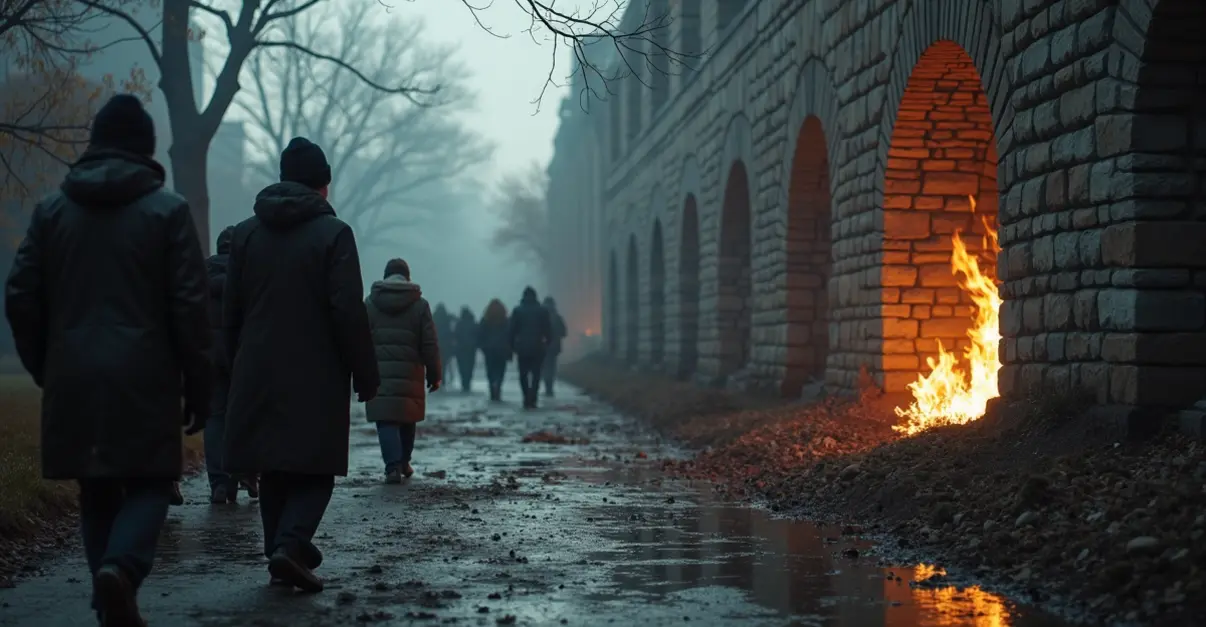
A sophisticated international network operating primarily from Pakistan has been generating substantial revenue by posting AI-generated images depicting fictional Holocaust victims on Facebook. According to BBC investigations, these accounts utilize Meta's Content Monetization program to earn money based on view counts and engagement metrics.
Disturbing Content and Massive Reach
The network creates highly realistic but completely fabricated images showing scenarios that never occurred during the Holocaust. These include depictions of Jewish children feeding ducks along Amsterdam canals, musicians performing in striped concentration camp uniforms at Auschwitz, and lovers meeting at barbed wire fences. One account under the name Abdul Mughees, allegedly based in Pakistan, has accumulated over 1.2 billion views within four months and earned approximately €17,000 from this content.
Historical Distortion and Expert Concerns
The Auschwitz-Birkenau State Museum issued warnings in June about these accounts, noting they distort historical details or completely invent stories and victims. Museum representatives described the images as "creepily perfect, stylized, and not originating from any historical archive." Senior researcher Kees Ribbens from the NIOD Institute for War, Holocaust and Genocide Studies emphasized the danger of such content: "Authentic and historical images become mixed with fake ones, making it impossible to distinguish reliable sources from fabricated ones."
Meta's Response and Content Policies
Meta, Facebook's parent company, has initiated investigations into multiple pages and groups involved in this scheme. The company has removed several pages for violating authenticity rules. However, the incident raises serious questions about content moderation systems and the ethical implications of monetizing sensitive historical content through AI-generated imagery.