


 Deutsch
 English
 Español
 Français
 Nederlands
 Português


 Share
Share




Deadly Gas Explosion Hits Colombian Coal Mine
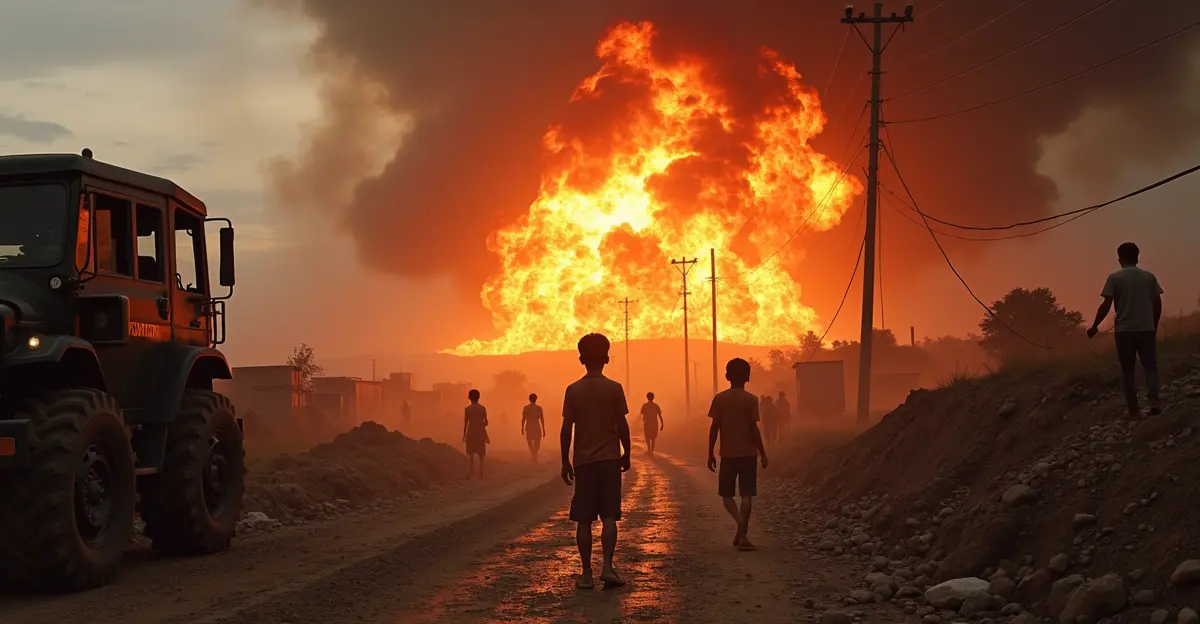
A devastating explosion in a coal mine in the municipality of Sutatausa, central Colombia, has claimed the lives of nine miners, according to local authorities. The blast, believed to have been caused by an accumulation of gases, occurred at a depth of approximately 600 meters, trapping 15 workers underground. Six miners were rescued and hospitalized with varying injuries.
This tragic incident adds to a long history of mining accidents in Colombia, where safety regulations remain a persistent challenge. The 2023 Sutatausa mining disaster killed more than 20 people in the same municipality, highlighting recurring risks in the sector.
What Happened in the Sutatausa Mine Explosion?
According to the Colombian newspaper El Tiempo, the explosion occurred on the morning of May 5, 2026, in an underground coal mine in the Cundinamarca department. Rescue teams worked swiftly to extract survivors, but nine miners were confirmed dead at the scene. The exact cause is under investigation, but preliminary reports point to methane gas buildup, a common hazard in coal mining.
The region of Sutatausa has a history of illegal and informal mining operations, which often lack proper ventilation and safety equipment. Authorities have repeatedly warned about the dangers of unregulated mining, yet accidents continue to occur.
Colombia's Mining Safety Crisis: A Recurring Problem
Mining accidents are tragically frequent in Colombia. In 2023, a similar explosion in Sutatausa killed over 20 miners, making it one of the deadliest incidents in recent years. The country's mining sector, particularly coal extraction, is a major economic driver but often operates under precarious conditions.
Why Do These Accidents Keep Happening?
- Gas accumulation: Methane and other gases can build up in poorly ventilated mines, leading to explosions.
- Lack of regulation: Many mines, especially small-scale operations, operate outside formal safety frameworks.
- Inadequate equipment: Miners often lack modern safety gear such as gas detectors and emergency breathing apparatus.
- Deep mining risks: Working at depths of 600 meters or more increases the danger of cave-ins and gas explosions.
Colombia's government has pledged to improve mining oversight, but enforcement remains weak. The Colombian mining industry regulations are often criticized for being insufficiently stringent.
Impact on Families and Communities
The nine victims were local workers who supported their families through mining. The community of Sutatausa is in mourning. “We have lost brothers, fathers, and sons. This mine was their only source of income,” a local resident told reporters. The rescued miners are receiving medical treatment, and their conditions are reported as stable but serious.
The accident also raises questions about the economic pressures that drive workers into dangerous jobs. Coal mining remains one of the few employment options in rural central Colombia, despite the risks.
FAQ: Colombia Mine Explosions
How common are mine explosions in Colombia?
Mine explosions are relatively common, especially in small-scale operations. Colombia records dozens of mining fatalities each year, with coal mines being the most dangerous.
What causes most mine explosions?
The primary cause is methane gas accumulation, which can ignite from sparks or heat sources. Poor ventilation is a major contributing factor.
What is being done to prevent these accidents?
The Colombian government has introduced stricter safety regulations and inspection programs, but enforcement is inconsistent, particularly in remote areas.
How many miners died in the 2023 Sutatausa explosion?
More than 20 miners lost their lives in a similar explosion in Sutatausa in 2023, making it one of the worst mining disasters in Colombia's recent history.

Follow Discussion