


 Deutsch
 English
 Español
 Français
 Nederlands
 Português


 Share
Share




National Road Safety Action Plan 2026: Comprehensive Strategy for Safer Roads
The newly published National Road Safety Action Plan represents a comprehensive, multi-faceted approach to addressing the persistent challenge of traffic accidents across the nation. With traffic fatalities declining for 10 consecutive quarters but still claiming thousands of lives annually, the 2026 plan focuses on three core pillars: enhanced speed zone enforcement, critical infrastructure upgrades, and widespread public education campaigns. This strategic framework aims to operationalize safety commitments into measurable actions, moving from reactive responses to proactive prevention through evidence-based interventions.
What is the National Road Safety Action Plan?
The National Road Safety Action Plan is a government-led strategic framework designed to systematically reduce traffic fatalities and serious injuries through coordinated interventions across multiple sectors. Building on the Safe System Approach that emphasizes safer people, roads, vehicles, speeds, and post-crash care, the 2026 edition represents the most ambitious implementation roadmap to date. According to the U.S. Department of Transportation's Office of Inspector General, the strategy targets specific factors contributing to roadway safety improvements through data-driven analysis and evidence-based countermeasures.
Speed Zone Enforcement: The First Pillar of Safety
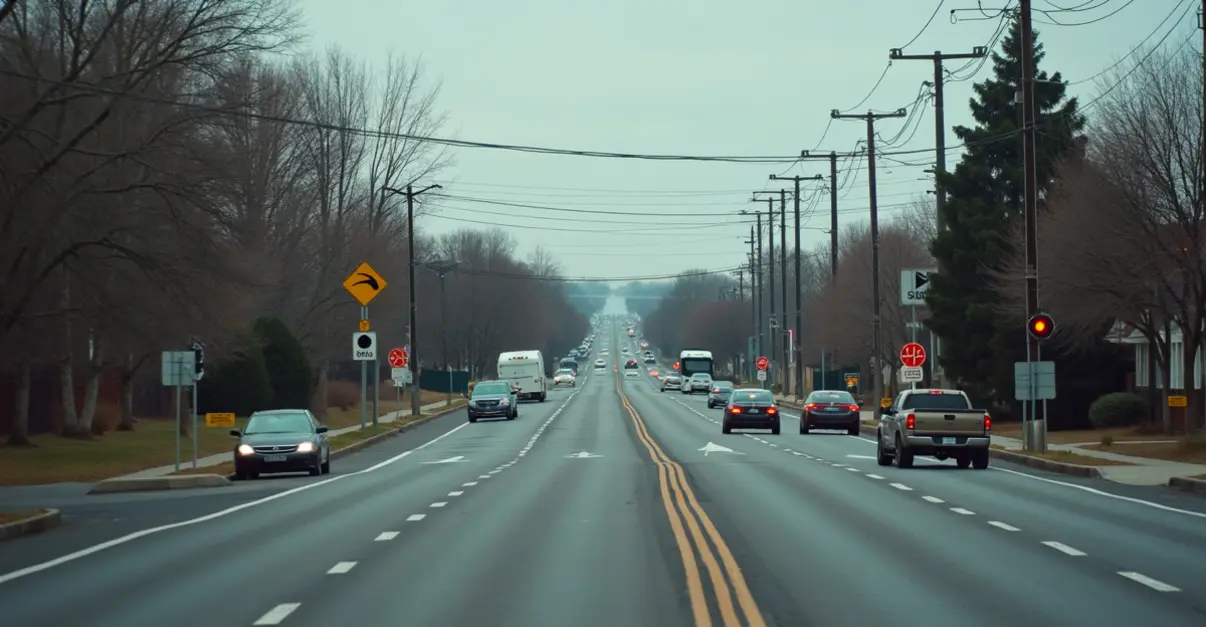
The plan's enforcement component represents a significant shift toward automated and data-driven approaches to speed management. With studies showing that speed safety cameras can reduce serious and fatal crashes by up to 44%, the 2026 strategy calls for expanded deployment of automated enforcement systems in high-risk areas.
Automated Enforcement Systems
The action plan mandates the installation of speed cameras in school zones, residential neighborhoods, and high-crash corridors. Research from the Insurance Institute for Highway Safety (IIHS) indicates that these systems lead to 65% reductions in speeding vehicles when properly implemented. The technology uses radar or laser detection to identify vehicles exceeding posted limits, with citations issued automatically. This approach addresses the concerning trend of declining police traffic stops, which have decreased by 50-83% in major cities since 2016-2019, coinciding with rising road fatalities.
Variable Speed Limits and Dynamic Enforcement
Beyond fixed cameras, the plan introduces variable speed limit systems on highways and arterial roads, adjusting limits based on traffic conditions, weather, and time of day. This dynamic approach recognizes that appropriate speeds vary with circumstances, moving beyond the one-size-fits-all model of traditional speed limits. The FHWA Proven Safety Countermeasures guide identifies such adaptive systems as particularly effective for reducing speed-related crashes during adverse conditions.
Infrastructure Upgrades: Engineering Safer Roads
The second pillar focuses on physical improvements to road infrastructure, addressing design flaws that contribute to accidents. With deteriorating pavement conditions identified as a critical but often overlooked safety factor, the plan allocates substantial resources to proactive maintenance and targeted upgrades.
Pedestrian and Cyclist Safety Improvements
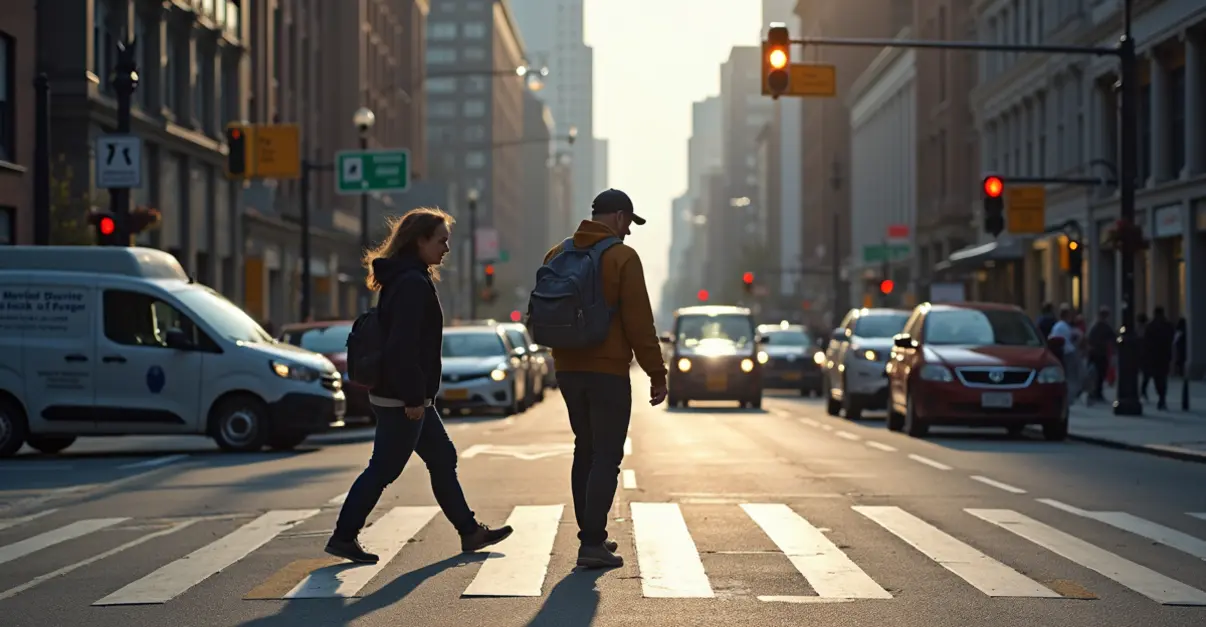
Drawing from successful models like New York State's $110 million Pedestrian Safety Action Plan (2016-2021), the national strategy includes comprehensive pedestrian safety enhancements. These include upgraded crosswalks with improved visibility, extended crossing times at intersections, pedestrian refuge islands, and dedicated bicycle lanes separated from vehicle traffic. The 2025 Pedestrian Safety Community Resource Guide provides detailed implementation frameworks for local communities to adapt these measures to their specific contexts.
Roadway Design and Maintenance
The plan emphasizes embedding safety into everyday operations, budgeting, and asset management decisions. Key infrastructure interventions include:
- Rumble strips on rural road shoulders to prevent run-off-road crashes
- Median barriers on divided highways to eliminate head-on collisions
- Improved lighting at intersections and pedestrian crossings
- Pavement friction management to maintain adequate stopping distances
- Roundabouts at high-crash intersections to reduce conflict points
Education and Public Awareness Campaigns
The third pillar recognizes that engineering and enforcement alone cannot achieve comprehensive safety improvements without changing driver behavior and public attitudes. The education component targets multiple audiences through tailored messaging and community engagement.
Targeted Educational Programs
The plan includes specific initiatives for high-risk groups, including young drivers, commercial vehicle operators, and vulnerable road users like pedestrians and cyclists. Drawing from the 'Three Es' approach (engineering, education, enforcement) pioneered in successful state programs, these campaigns combine traditional media with digital outreach and community partnerships. The 'See and Be Seen' public awareness model, proven effective in New York's pedestrian safety efforts, will be adapted nationally with updated messaging for 2026 audiences.
Community Resource Development
Local communities will receive support through the Safe Streets and Roads for All (SS4A) grant program, which provides funding for safety planning and implementation. The 2025 updates to this federal program include enhanced requirements for community engagement and data-driven planning, ensuring that education efforts are grounded in local crash patterns and demographic characteristics.
Implementation Timeline and Monitoring Framework
The 2026 action plan establishes clear milestones and accountability measures to track progress toward its ambitious goals. Key implementation phases include:
- Q1 2026: Deployment of speed cameras in 500 high-priority locations nationwide
- Q2 2026: Completion of infrastructure assessments on 10,000 miles of high-risk roads
- Q3 2026: Launch of national education campaign targeting speeding and distracted driving
- Q4 2026: Implementation of 2,000 infrastructure improvement projects
Progress will be monitored through a centralized data system tracking crash rates, speeding violations, infrastructure condition metrics, and public awareness indicators. This data-driven approach allows for mid-course corrections and resource reallocation based on demonstrated effectiveness.
Expert Perspectives on the Comprehensive Approach
Transportation safety experts have praised the plan's integrated methodology. 'The combination of engineering improvements, consistent enforcement, and public education represents the gold standard in traffic safety,' notes Dr. Sarah Chen, director of the Transportation Safety Research Institute. 'Previous efforts that focused on single interventions showed limited effectiveness, but this comprehensive approach addresses the multiple factors contributing to crashes simultaneously.'
Industry stakeholders have also welcomed the emphasis on proactive maintenance using AI-powered assessments, which can identify deteriorating pavement conditions before they contribute to accidents. 'Moving from reactive to predictive maintenance represents a paradigm shift in how we manage road safety,' explains Mark Thompson, president of the National Association of County Engineers. 'By identifying risks early and prioritizing interventions, we can prevent crashes rather than just responding to them.'
Frequently Asked Questions (FAQ)
What is the primary goal of the National Road Safety Action Plan?
The primary goal is to reduce traffic fatalities and serious injuries through a comprehensive strategy combining speed enforcement, infrastructure upgrades, and public education. The plan aims to operationalize safety commitments into measurable actions with specific targets for 2026 implementation.
How will speed enforcement change under the new plan?
Speed enforcement will shift toward automated systems including speed cameras in high-risk areas, variable speed limits based on conditions, and data-driven deployment of resources. This addresses the decline in traditional police traffic stops while maintaining enforcement presence.
What types of infrastructure improvements are prioritized?
Priority infrastructure improvements include pedestrian safety enhancements (crosswalks, refuge islands), bicycle facilities, rumble strips, median barriers, intersection redesigns, and pavement maintenance. These are based on the FHWA's Proven Safety Countermeasures with demonstrated effectiveness.
How can communities participate in the education component?
Communities can access resources through the Safe Streets and Roads for All grant program, adapt materials from the 2025 Pedestrian Safety Community Resource Guide, and develop localized campaigns targeting specific risk factors identified in their crash data.
What metrics will be used to measure success?
Success will be measured through reductions in traffic fatalities and serious injuries, decreased speeding violations in enforced zones, improved infrastructure condition ratings, and increased public awareness of safety issues as measured through surveys.
Conclusion: Toward Zero Fatalities
The 2026 National Road Safety Action Plan represents a significant advancement in the nation's approach to traffic safety. By integrating enforcement, engineering, and education into a cohesive strategy, the plan addresses the complex, multi-factorial nature of traffic crashes. While challenges remain in implementation, particularly regarding equitable deployment of enforcement technologies and sustainable funding for infrastructure improvements, the comprehensive framework provides a clear roadmap for progress. As communities begin implementing these measures throughout 2026, the ultimate goal remains unchanged: creating a transportation system where no life is lost in traffic crashes.




Follow Discussion