Deutsch
 English
 Español
 Français
 Nederlands
 Português






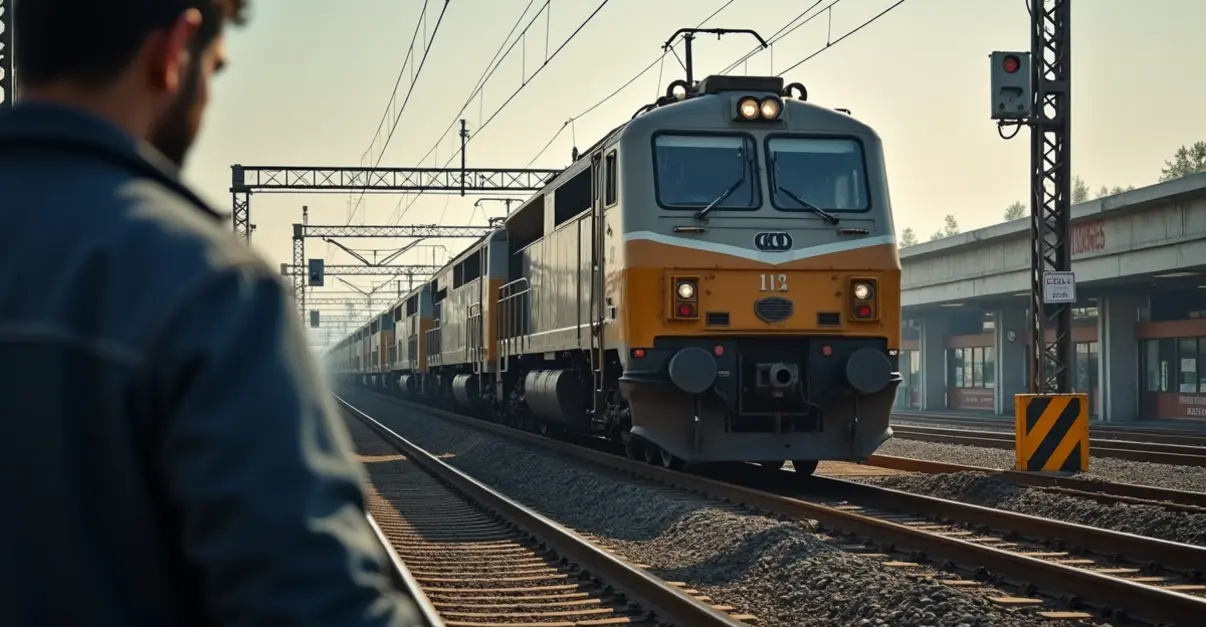
Federal Investigation Launched Into Deadly Rail Crash
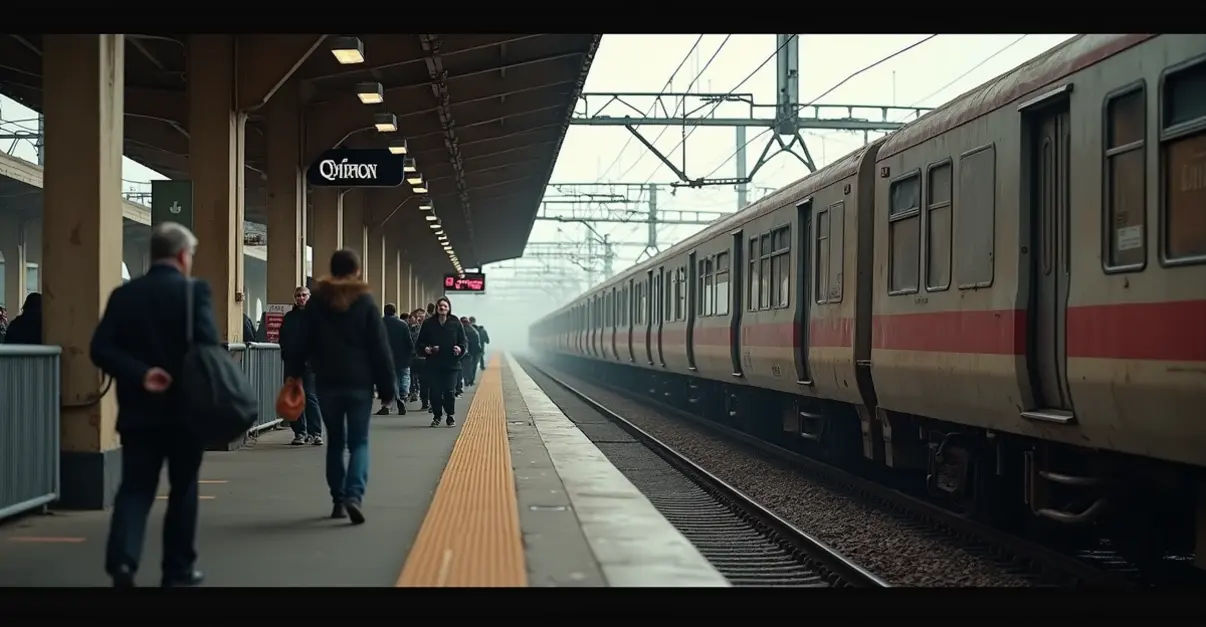
A comprehensive federal investigation has been launched following a major rail crash that has left families grieving and safety advocates demanding immediate reforms. The incident, which occurred on a critical transportation corridor, has prompted multiple agencies to examine everything from track conditions to operator protocols.
'We need answers, and we need them now,' said Maria Rodriguez, whose brother was injured in the crash. 'This isn't the first time safety concerns have been raised, and it shouldn't take another tragedy to force change.'
Investigation Scope and Timeline
The investigation will follow established protocols from agencies like the Federal Railroad Administration (FRA) and the National Transportation Safety Board (NTSB). According to the FRA's Accident Analysis Branch, which monitors train accidents 24/7, investigators will examine multiple factors including track integrity, signaling systems, train speed, crew performance, and maintenance records.
Railroad investigations typically take 12-24 months to complete, with preliminary reports available within weeks of the incident. The NTSB's Transportation Disaster Assistance (TDA) program serves as the primary contact point for families throughout this process, providing updates and emotional support services through organizations like the American Red Cross.
'Our priority is determining the root cause to prevent future accidents,' explained an FRA spokesperson. 'We're looking at everything from human factors to infrastructure deficiencies.'
Compensation for Victims and Families
Compensation processes have already begun for affected families, though the timeline for settlements varies significantly based on individual circumstances. The NTSB's TDA program coordinates family assistance operations under 49 USC § 1139 for major rail passenger accidents involving interstate operators.
Legal experts note that compensation claims typically involve multiple parties, including railroad companies, equipment manufacturers, and government entities responsible for track maintenance. 'Families shouldn't have to fight for what they're owed,' said attorney James Wilson, who specializes in transportation accident cases. 'The system needs to be more responsive to victims' immediate needs.'
Recent analysis reveals troubling patterns in rail safety implementation. A Howard Center for Investigative Journalism investigation found that the FRA has implemented only 5 out of 81 safety recommendations from the NTSB between 2015-2024 - the lowest implementation rate among Department of Transportation agencies.
Recommended Safety Reforms
The crash has reignited calls for comprehensive safety reforms that have been stalled for years. Key recommendations emerging from preliminary analysis include:
1. Enhanced Track Inspection Protocols: Despite NTSB recommendations dating back to 1980 calling for rail wear limits, the FRA has failed to establish regulations. The railroad industry, through its powerful trade group Association of American Railroads, has actively lobbied against safety reforms and recently secured approval to reduce human track inspections in favor of automated methods.
2. Advanced Signaling Systems: Implementation of systems like the European Train Control System (ETCS) and European Rail Traffic Management System (ERTMS) could prevent accidents caused by human error or excessive speed on curves.
3. Predictive Maintenance Technology: Using AI and machine learning for predictive maintenance could identify potential failures before they occur. Real-time IoT sensor data could monitor track conditions continuously.
4. Workforce Training Enhancements: Virtual reality (VR) and augmented reality (AR) simulations for safety training could better prepare crews for emergency situations.
'We've known about these safety gaps for decades,' said safety advocate Dr. Rebecca Chen. 'Over the last decade, human errors and track defects caused more than 3,000 rail accidents, killing 23 people and injuring nearly 1,200. This isn't about technology we don't have - it's about implementing what we already know works.'
Political and Regulatory Implications
The crash has sparked political controversy, with opposition politicians calling for independent audits and investigations. Similar patterns were seen in the 2025 Oaxaca train derailment in Mexico, where critics noted infrastructure projects were quickly constructed with minimal regulatory oversight.
The FRA's Collaborative Investigation Reporting Environment (iCARE) portal allows stakeholders to collaborate during investigations, but critics argue the agency needs more authority to enforce safety recommendations. 'Regulators have been systematically thwarting safety improvements for decades,' noted the Howard Center report. 'This pattern of inaction has contributed to preventable deaths and injuries.'
As families await answers and compensation, the broader rail industry faces mounting pressure to implement long-overdue safety measures. The investigation's findings will likely influence regulatory frameworks for years to come, potentially reshaping how rail safety is managed across the transportation network.