Nederlands
 English
 Deutsch
 Français
 Español
 Português
BMW recalls over 70,000 electric vehicles in the US due to a software flaw that can cause sudden power loss. The fix is available via over-the-air update or dealer visit, with notifications going out by August 2025.
Major EV Software Recall for Safety Patch
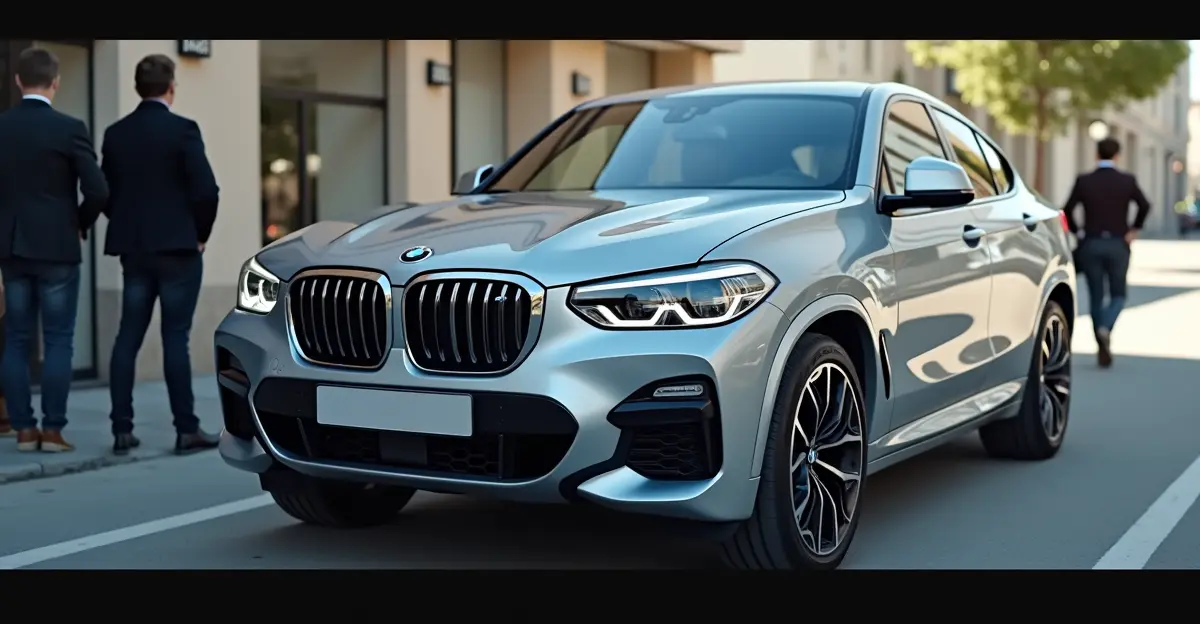
BMW has issued a significant recall for more than 70,000 electric vehicles in the United States due to a critical software issue that can cause sudden loss of drive power while driving. The recall, officially designated as 25V395 by the National Highway Traffic Safety Administration (NHTSA), affects multiple BMW EV models from model years 2022 through 2025.
Affected Models and the Problem
The recall impacts several popular BMW electric vehicles: 35,414 i4 units, 25,280 iX SUVs, 5,484 i7 sedans, and 4,674 i5 sedans. According to BMW's technical documentation, the problem stems from a software error in the electric drive motor that can incorrectly detect a 'double isolation state' and unexpectedly shut down the high-voltage system.
'The software can misinterpret the isolation state of the high-voltage system, causing it to shut down the drive motors after a 15-20 second warning to the driver,' explained a BMW spokesperson in an official statement. 'While steering and braking systems remain functional, this can increase the risk of accidents if it occurs while driving.'
Over-the-Air and Dealer Solutions
What makes this recall particularly noteworthy is BMW's dual approach to the solution. Owners have two options: receive the software patch via an over-the-air (OTA) update or visit a BMW dealer for the update at no cost. This represents a significant advancement in how automakers address software-related safety issues.
'The ability to fix critical safety issues via over-the-air updates is transforming how we approach vehicle recalls,' said auto safety expert Dr. Sarah Chen. 'It's faster, more convenient for consumers, and reduces the burden on dealer service centers.'
BMW has confirmed that the software update will be available through both channels, with dealer technicians receiving specific protocols for installation. The company has developed extensive dealer guide documents, including technical service bulletins with detailed diagnostic procedures and repair guidelines.
Consumer Guidance and Timeline
Affected owners should receive notification letters by August 5, 2025. BMW has established multiple channels for consumer support:
- Contact BMW Customer Service at 1-800-525-7411
- Reference recall number 25V395
- Contact the NHTSA Vehicle Safety Hotline at 1-888-327-4236
- Check recall status on the NHTSA website
'We encourage all affected owners to take this recall seriously and schedule their update promptly,' advised NHTSA spokesperson Michael Rodriguez. 'While only about 0.1% of vehicles are expected to experience this problem, it's crucial that all potentially affected vehicles receive the safety patch.'
Safety Impact and Statistics
BMW has received approximately 43 warranty claims related to drive motor shutdowns at speeds above 20 mph, but to date, no accidents or injuries have been reported. The company estimates that only about 71 vehicles (0.1% of the affected fleet) are likely to experience the software malfunction.
However, safety regulators emphasize that even low-probability events require attention when they involve critical safety systems. 'When a vehicle unexpectedly loses drive power, it creates a dangerous situation regardless of how rare the occurrence might be,' noted automotive engineer James Wilson.
The Future of Software Recalls
This recall highlights the growing importance of software in modern vehicles, particularly electric ones. As cars become more connected and software-dependent, over-the-air updates are becoming standard practice for addressing safety and performance issues.
'We're seeing a paradigm shift in automotive safety,' remarked industry analyst Rebecca Torres. 'Traditional hardware recalls required physical dealer visits, but software issues can now be resolved remotely. This benefits everyone—manufacturers save costs, dealers manage workload better, and consumers get solutions faster.'
The BMW recall follows similar software-related issues in the industry but stands out for its comprehensive approach that combines OTA updates with traditional dealer service options. Owners who prefer the certainty of a dealer visit can schedule appointments, while tech-savvy consumers can simply wait for the wireless update notification.
As electric vehicles continue to grow in market share, experts predict more software-focused recalls will emerge. The key, according to safety advocates, is maintaining robust consumer communication and ensuring all owners understand how to receive critical updates.