


 Deutsch
 English
 Español
 Français
 Nederlands
 Português


 Share
Share




Russia's African Mercenary Recruitment 2026: Exploiting Vulnerable Men for Ukraine War
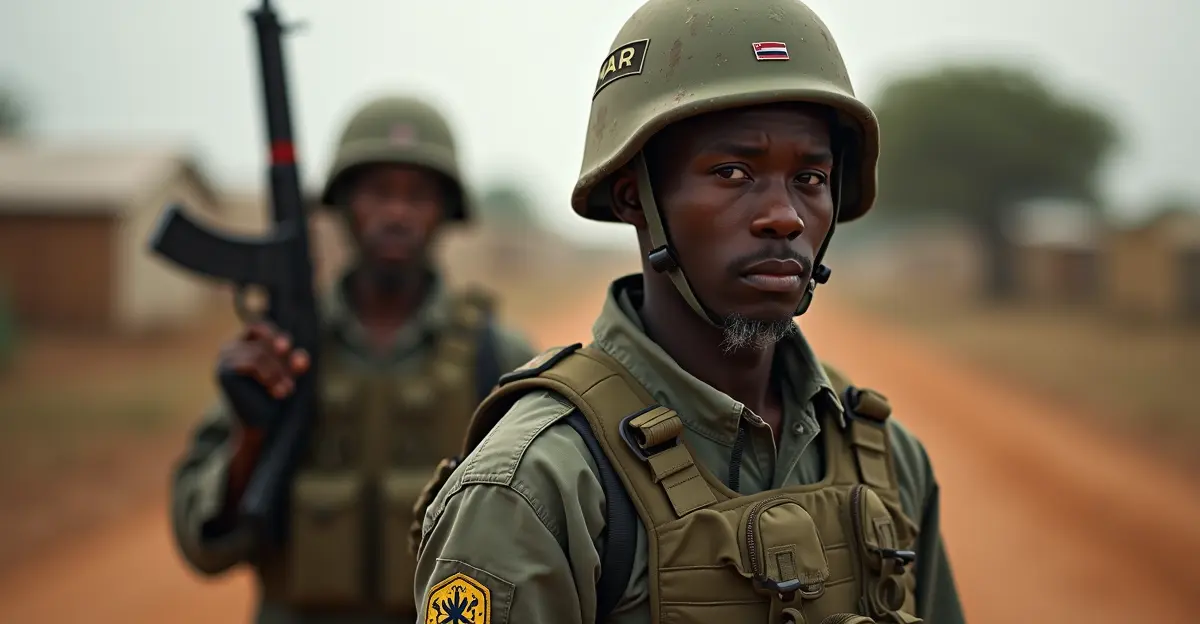
Russia is systematically recruiting thousands of African men as mercenaries to fight in its war against Ukraine, using deceptive tactics that promise lucrative jobs but deliver frontline combat roles with high mortality rates. According to a comprehensive investigation by the research collective All Eyes On Wagner, at least 1,400 African fighters from 35 countries have been recruited between 2023 and mid-2025, with actual numbers potentially reaching 3,000-4,000. This alarming trend represents what human rights activists call 'illegal recruitment, slavery, and human trafficking' that exploits vulnerable populations for Russia's military objectives.
What is Russia's African Mercenary Recruitment?
Russia's African mercenary recruitment is a systematic campaign targeting men from across Africa with false promises of civilian employment, only to force them into military service on Ukraine's front lines. The operation leverages social media campaigns, fraudulent travel agencies, and local recruitment networks to lure desperate individuals seeking economic opportunities. Once in Russia, recruits have their documents confiscated and are coerced into signing military contracts in Russian without interpreters, effectively trapping them in combat roles they never agreed to undertake.
The Deceptive Recruitment Tactics
The recruitment follows a disturbing pattern documented across multiple African nations. Recruiters promise well-paid positions as drivers, cooks, factory workers, or maintenance technicians with monthly salaries reaching $2,000-$2,500 – up to 10 times what many could earn at home. Social media campaigns show luxury lifestyles in Russia, while travel agencies offer discounted flights and work opportunities.
False Promises and Coercion
Charles Waithaka, a 30-year-old Kenyan factory worker, represents a typical case. He was promised a maintenance job but found himself signing a Russian-language military contract he couldn't read. After minimal training, he was sent to the front lines where he stepped on a landmine and died. His mother, Bibiana Wangari, shows photos he sent: 'They told them to make videos and photos where they were laughing, so we at home would think he was doing well. But that's a lie.'
Countries Most Affected
- Egypt: 361 recruits (highest number)
- Cameroon: 335 recruits with 94 deaths (heaviest losses)
- Kenya: Approximately 200 recruits, with 27 repatriated
- Nigeria: 36 documented cases with 5 confirmed deaths
- Uganda, Gambia, Ghana: Significant numbers reported
Russia's Manpower Crisis and Strategic Calculations
After four years of war, Russia faces severe manpower shortages and is unwilling to risk its own citizens in the most dangerous missions. The Russian military recruitment strategy has evolved to target vulnerable foreign populations who can serve as expendable combatants. According to military analysts, Russia is meeting 105-110% of monthly recruitment targets through various strategies, including this controversial foreign recruitment program.
Dancan Cheng, a 31-year-old Kenyan who escaped from Russia, describes the brutal reality: 'They sacrifice African men. They promise us a lot of money because they know we're going to die there anyway. Then they never have to pay us. I've seen so many dead bodies, including other African men.'
Documented Evidence and Investigations
The All Eyes On Wagner report The Business of Despair provides the most comprehensive documentation of this phenomenon. The investigation reveals:
| Metric | Data |
|---|---|
| Documented African fighters | 1,400+ |
| African countries represented | 35 |
| Estimated actual numbers | 3,000-4,000 |
| Death rate among documented cases | Over 22% |
| Timeframe | 2023 to mid-2025 |
Political Response and Diplomatic Efforts
Kenya has emerged as a leading voice against this practice. Foreign Minister Musalia Mudavadi has called the recruitment 'unacceptable and clandestine' and plans a diplomatic mission to Moscow in March 2026. Kenya has already shut down over 600 illegal recruitment agencies and seeks a bilateral agreement banning military recruitment of its citizens.
Fredrick Ojiro Odhiambo, a Kenyan human rights activist with Vocal Africa, states bluntly: 'This is illegal recruitment, slavery, human trafficking. This mostly doesn't involve men who know where they're ending up.' His organization assists dozens of families whose sons are still fighting, have died, or are missing.
Impact on African Communities
The human cost extends beyond battlefield casualties. Families are left without closure, unable to retrieve bodies of loved ones. The Ukraine war casualties among African mercenaries create complex legal situations where neither Russia nor home countries claim responsibility for prisoner exchanges, leaving captured fighters in Ukrainian prisons indefinitely.
Economic desperation drives much of this recruitment. With unemployment rates exceeding 30% in some African nations and youth unemployment even higher, the promise of $2,000 monthly salaries proves irresistible despite the risks. This exploitation of economic vulnerability represents what analysts call a form of modern human trafficking for military purposes.
International Reactions and Legal Implications
The practice raises serious questions under international law. Ukraine has accused Russia of violating multiple conventions, while human rights organizations document what they describe as war crimes through deceptive recruitment. The international humanitarian law violations include coercion, deception, and sending untrained civilians into combat zones.
FAQ: Russia's African Mercenary Recruitment
1. How many African mercenaries are fighting for Russia in Ukraine?
Documented cases show at least 1,400 fighters from 35 African countries, but actual numbers likely range between 3,000-4,000 according to investigative reports.
2. Which African countries are most affected?
Egypt has the highest number of recruits (361), Cameroon has suffered the heaviest losses (94 deaths among 335 fighters), and Kenya has been particularly vocal in opposing the practice.
3. What promises are used to recruit African men?
Recruiters promise civilian jobs as drivers, cooks, factory workers, or maintenance technicians with salaries of $2,000-$2,500 monthly, plus signing bonuses around $2,000.
4. What happens when recruits arrive in Russia?
Documents are confiscated, recruits are forced to sign Russian-language military contracts without interpreters, receive minimal training, and are sent to front lines within weeks.
5. What is being done to stop this recruitment?
Kenya is leading diplomatic efforts, planning a March 2026 mission to Moscow, has shut down over 600 illegal agencies, and seeks bilateral agreements banning military recruitment.

Follow Discussion