


 Deutsch
 English
 Español
 Français
 Nederlands
 Português


 Share
Share




Autonomous Train System Achieves Critical Reliability Target
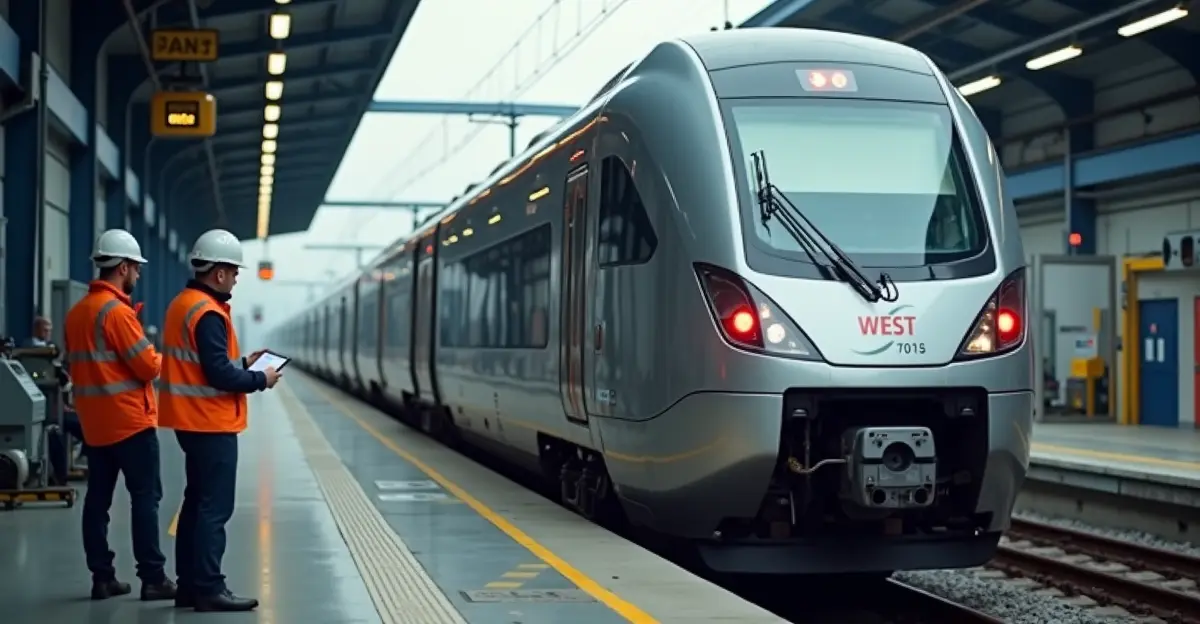
In a landmark achievement for public transportation, a next-generation autonomous train system has successfully reached its 99.9% reliability target, marking a significant step forward in the transition to fully automated rail networks. The system, which has been undergoing extensive testing across multiple urban corridors, demonstrated exceptional operational performance during a comprehensive safety review that examined workforce transition strategies and scaling challenges.
Operational Data and Safety Review
The breakthrough comes after months of rigorous testing where the autonomous system processed over 500,000 operational data points without critical failures. According to the Railway Academy's analysis, rail networks combining automated monitoring with human oversight experience 45% fewer safety incidents and 30% higher operational efficiency. 'This isn't just about replacing drivers—it's about creating a safer, more efficient system that learns from every journey,' explained Sofia Martinez, the lead analyst on the project.
The safety review, conducted by international transportation authorities, examined how the system handles edge cases like extreme weather, track obstructions, and emergency scenarios. The autonomous trains utilize a combination of lidar guidance, optical sensors, and AI-powered route management similar to systems described in IEEE research on autonomous train control. These technologies enable what industry experts call 'Grade of Automation 4' (GoA4)—fully unattended train operation without any onboard staff.
Workforce Transition Challenges
Perhaps the most complex aspect of the autonomous train rollout has been managing the workforce transition. As traditional train operator roles evolve, the industry faces significant retraining challenges. A comprehensive workforce report highlights how automation and digitalization are reshaping transportation jobs, creating new roles while displacing some traditional positions.
'We're not eliminating jobs—we're transforming them,' said Martinez. 'Former train operators are being retrained as system supervisors, maintenance specialists, and cybersecurity analysts. The human element remains crucial for oversight, ethical decision-making, and handling unexpected situations.'
The transition program includes extensive retraining in areas like AI system monitoring, predictive maintenance, and cybersecurity—skills that according to industry reports command 30-45% higher compensation globally. This approach aligns with recommendations from the International Transport Forum's analysis on managing automation's impact on transport workers.
Scaling and Future Implementation
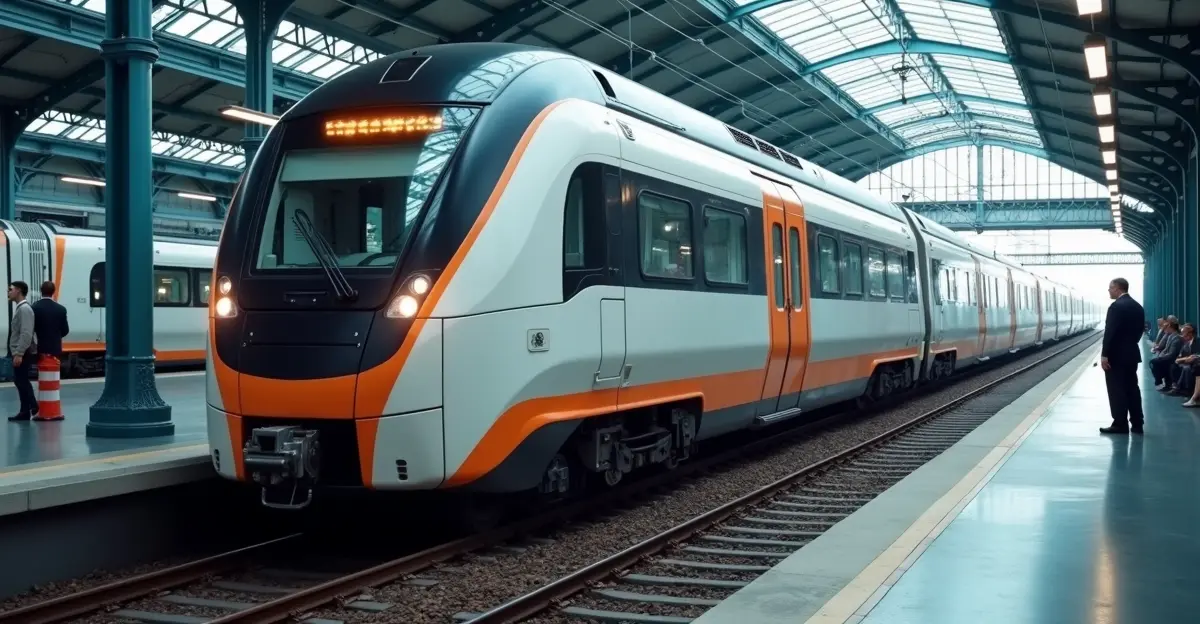
With the reliability target achieved, attention now turns to scaling the technology across broader networks. The system's architecture allows for what developers call 'phased autonomy,' where trains can operate in mixed environments with both autonomous and traditional trains. This flexibility addresses one of the major challenges identified in research on autonomous train deployment: infrastructure compatibility and gradual implementation.
Energy efficiency has emerged as another significant benefit. According to data from Alstom's autonomous mobility initiatives, automated systems can achieve up to 45% less energy consumption and 30% more passenger capacity compared to traditional operations. 'The environmental benefits are substantial,' noted Martinez. 'We're seeing journey times reduced by an average of three minutes per trip due to optimized acceleration and braking patterns.'
Looking ahead, the next phase involves integrating the autonomous system with broader smart city infrastructure, including traffic signal coordination and passenger information systems. The success of this reliability milestone suggests that fully autonomous regional passenger services could become operational within the next three to five years, fundamentally transforming how we think about public transportation.


Follow Discussion