


 English
 Nederlands
 Deutsch
 Français
 Español
 Português

Search
-
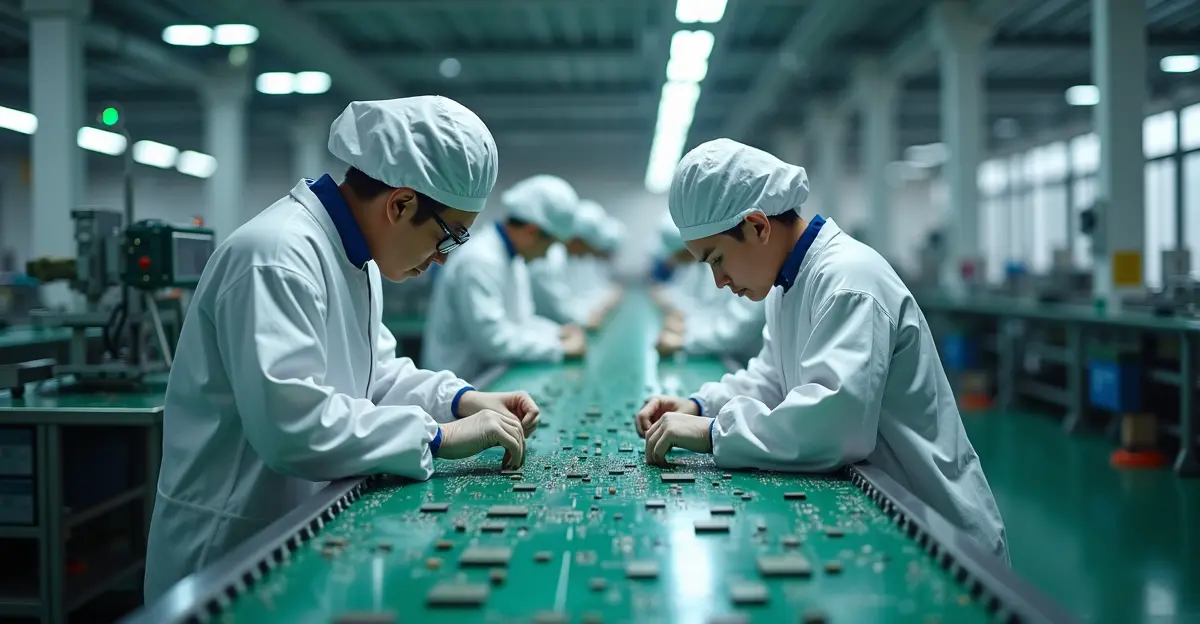
AI-Driven Trade Realignment: How Semiconductors Are Redefining Global Economy in 2026
AI-related trade now drives 33% of global trade growth, reshaping economic architecture. US-China decoupling accelerates 30% as China becomes 'factory to factories.' Southeast Asia exports grow 14%, India supplies 40% of US...
-

Supply Chain Reconfiguration 2026: How Tariff Volatility Is Reshaping Global Trade Architecture
72% of trade professionals identify tariff volatility as the biggest 2026 challenge, driving 65% of companies to change sourcing patterns and 51% to pursue nearshoring. Discover how geopolitical tariffs are reshaping global...
-

AI-Driven Trade Revolution: How Semiconductors Reshape Global Economy | Analysis
AI-related trade drives one-third of global commerce growth in 2026, with semiconductors and data-center equipment reshaping economic dependencies. Discover how this technological shift creates new geopolitical leverage and...
-

AI-Energy Nexus Explained: How Data Centers Reshape Global Power Markets in 2026
AI data centers will require 79 gigawatts in 2026—equivalent to 40 Hoover Dams—reshaping global power markets and triggering political battles over electricity affordability in midterm elections. Learn how this demand surge...
-

Post-1.5°C Reality: How Energy Security and Regional Divergence Reshape Climate Policy in 2026
The 1.5°C Paris goal is no longer achievable, forcing climate policy to prioritize energy security and regional resilience over pure ambition in 2026. Geopolitical tensions and economic pressures are reshaping global energy...
-
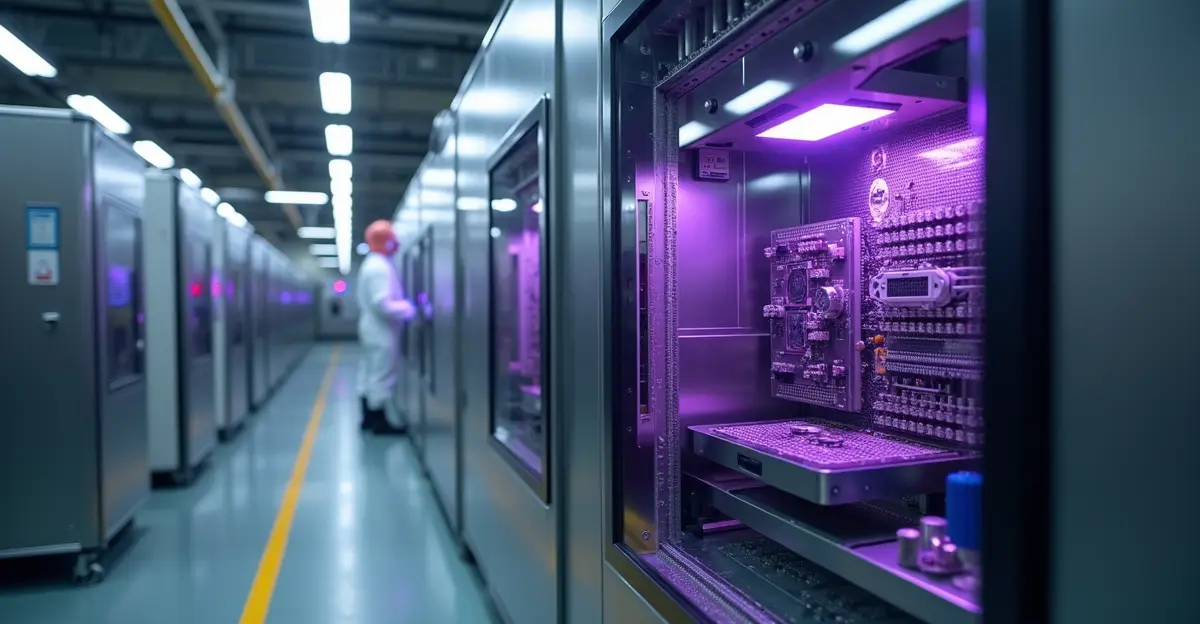
Semiconductor Supply Chain Fragility in 2026: Why Geopolitical Tensions Threaten Global Tech Resilience
Global semiconductor sales hit $790 billion in 2025 but supply chains face unprecedented fragility in 2026. Moody's analysis reveals TSMC's 70% market concentration, material bottlenecks, and geopolitical tensions threaten...