


 English
 Nederlands
 Deutsch
 Français
 Español
 Português

Search
-

AI Chip Strategy 2026: How Trade Policy and Energy Constraints Are Reshaping Global Semiconductor Supply Chains
93% of semiconductor executives expect 2026 revenue growth from AI, but trade policy now tops talent as industry's #1 concern. Energy constraints threaten chip manufacturing expansion amid geopolitical fragmentation reshaping...
-

AI Semiconductor Trade Paradox: How 0.2% of Chips Drive 80% of Market Value in 2026
AI semiconductor trade drove one-third of global trade growth in 2025, with sales projected to reach $975B in 2026. This paradox sees AI chips representing 80% of market value from just 0.2% of unit volume, reshaping global...
-

AI-Driven Trade Realignment: How Semiconductors Are Redefining Global Economic Architecture in 2026
AI-related trade drives one-third of global trade growth in 2026 as semiconductors redefine economic architecture. US-China trade falls 30% while Southeast Asia rises and China becomes 'factory to factories.' Discover the...
-

Quantum-AI Convergence: 2026 Tipping Point for Global Encryption Security Explained
2026 marks the tipping point where quantum computing and AI convergence threaten global encryption security. Organizations must urgently transition to post-quantum cryptography as 'harvest now, decrypt later' attacks escalate....
-
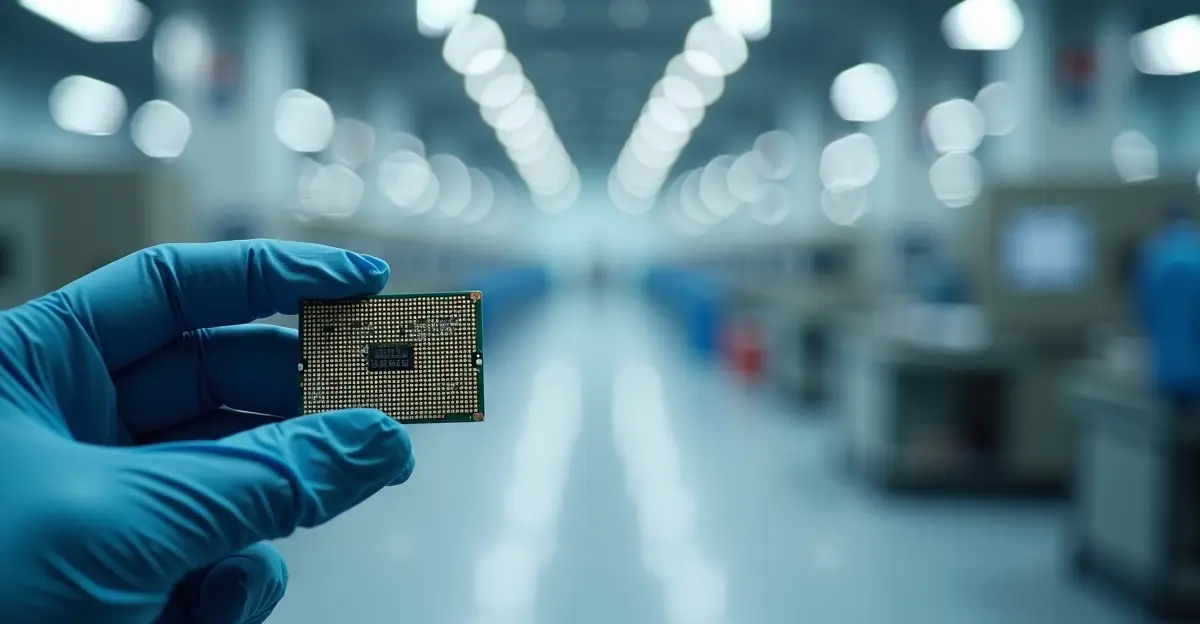
Semiconductor Concentration Paradox: How AI Dominance Creates Systemic Risk for Global Tech
AI chips will account for 51% of semiconductor revenue ($500B) but only 0.2% of volume by 2026, creating dangerous concentration where 3 companies control 80% of $9.5T market cap. This threatens global supply chains and non-AI sectors.
-

Trade Hydra 2026: How Global Supply Chains Battle Multiple Disruptions | Complete Analysis
Global trade faces a 'Hydra effect' in 2026 where resolving one disruption creates others. Despite record $35 trillion trade in 2025, companies implement multi-layered strategies including regionalization and AI logistics...