Nederlands
 English
 Deutsch
 Français
 Español
 Português
Archaeologists in Pompeii have uncovered a perfectly preserved Roman construction site that confirms how ancient Romans created self-healing concrete using a 'hot-mixing' technique with quicklime and volcanic ash.
Ancient Construction Site Frozen in Time Offers New Insights
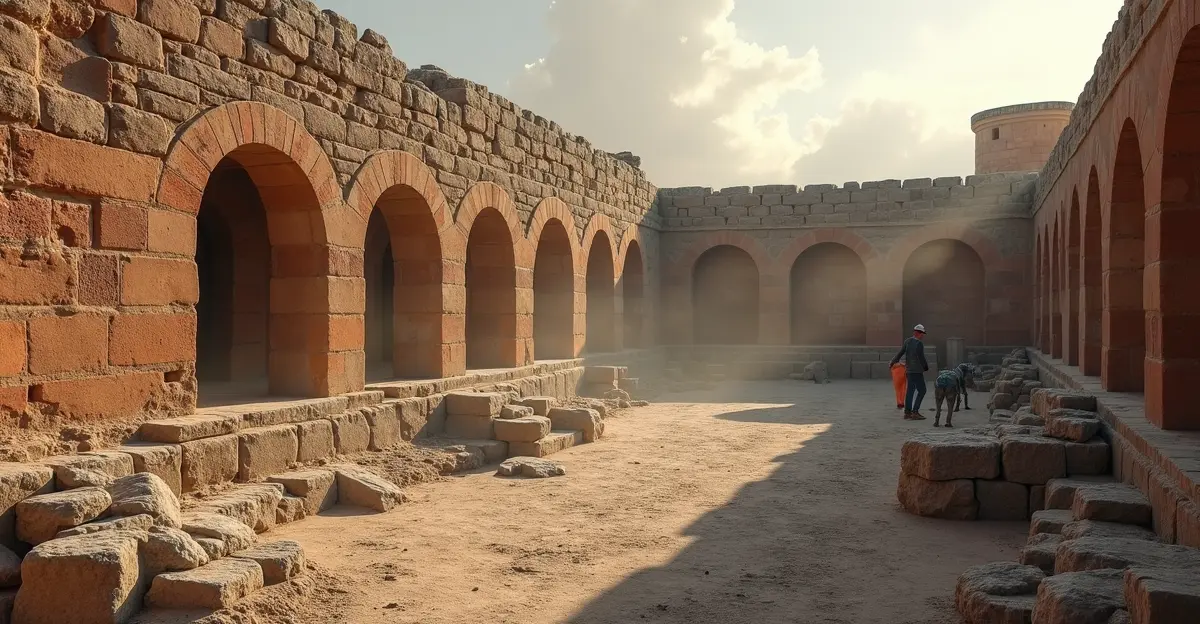
Archaeologists have made a groundbreaking discovery in Pompeii that finally confirms how ancient Romans created their remarkably durable, self-healing concrete. A perfectly preserved construction site, buried under volcanic ash during the catastrophic eruption of Mount Vesuvius in 79 CE, has provided unprecedented evidence of Roman building techniques that have puzzled scientists for centuries.
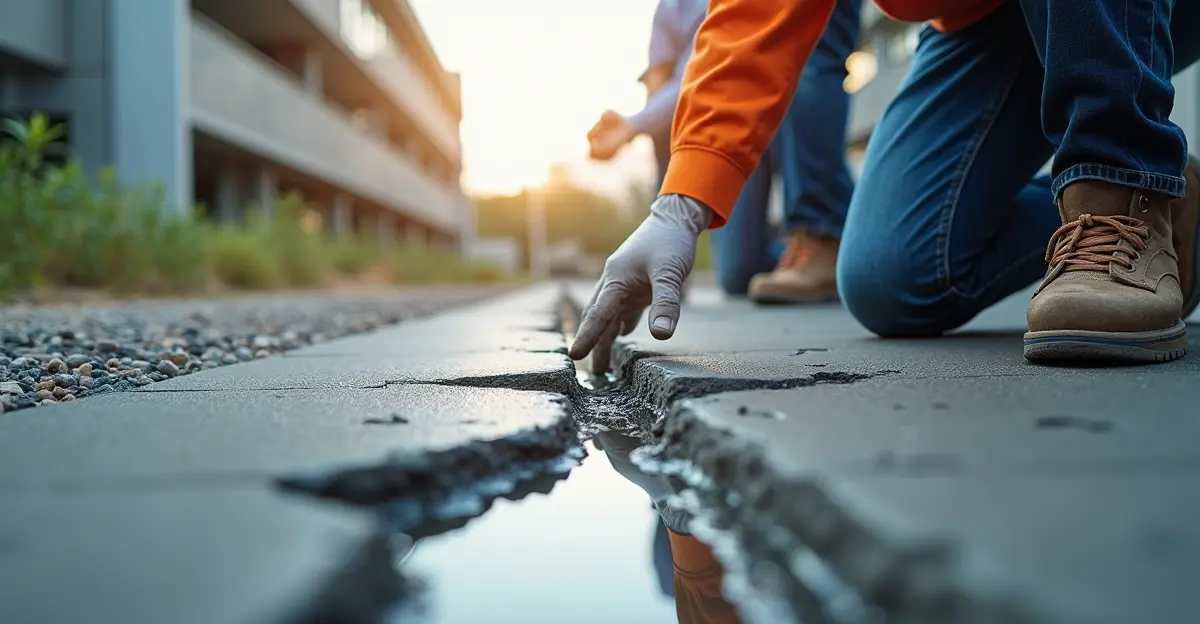
The excavation, detailed in a recent Nature Communications study, reveals that Romans used a 'hot-mixing' process where quicklime was combined with volcanic ash before adding water. This technique created reactive lime clasts that give Roman concrete its unique self-healing properties, allowing cracks to repair themselves over time through chemical reactions.
Solving a Centuries-Old Mystery
For years, researchers have marveled at how Roman structures like the Pantheon, Colosseum, and aqueducts have endured for millennia while modern concrete often deteriorates within decades. The secret lay in the manufacturing process, but historical accounts conflicted with scientific theories.
Roman architect Vitruvius, writing in the first century BCE, described creating a lime paste first before adding volcanic materials. However, MIT researchers led by Associate Professor Admir Masic proposed in 2023 that Romans actually used a different method involving hot mixing of quicklime with volcanic ash.
'While I was examining it, I felt like I was traveling back in time and standing next to the workers who were mixing and applying concrete,' said Masic, the study's lead researcher, describing the Pompeii discovery.
The Pompeii Time Capsule
The newly excavated site in Pompeii's Regio IX district represents a remarkable archaeological find. Frozen in time by the volcanic eruption, the construction site contains everything from raw material piles to tools, allowing researchers to reconstruct the entire building process.
According to MIT research, the site contained quicklime fragments pre-mixed with volcanic ash in dry material piles, confirming the hot-mixing process. When water was added to this dry mixture, it created an exothermic reaction that preserved reactive lime clasts within the concrete.
These lime clasts, previously considered manufacturing defects, actually serve as reservoirs of reactive calcium. When cracks form, water enters and dissolves these clasts, releasing calcium ions that form new calcium carbonate crystals to seal the cracks.
Implications for Modern Construction
The discovery has significant implications for contemporary building practices. Modern Portland cement concrete, while strong initially, often cracks and deteriorates over time, requiring costly repairs and replacements.
'This research provides a scientific basis for developing more durable, sustainable modern concretes inspired by ancient practices,' noted the researchers in their Nature Communications paper.
The self-healing properties of Roman concrete could lead to more resilient infrastructure, particularly in marine environments where modern concrete often fails due to saltwater corrosion. The use of volcanic materials, which were abundant around the Bay of Naples where Pompeii is located, contributed to the concrete's exceptional durability.
Historical Context and Preservation
Pompeii, located near modern-day Naples, was a thriving Roman city until the catastrophic eruption of Mount Vesuvius buried it under 4-6 meters of ash and pumice. The suddenness of the disaster preserved the city in remarkable detail, providing invaluable insights into Roman life.
The site has been a UNESCO World Heritage Site since 1997 and continues to yield important archaeological discoveries. This latest find adds to our understanding of Roman engineering prowess and their sophisticated construction techniques.
The research team's work demonstrates how ancient technologies can inform modern innovation. As Masic explained, 'Compare it to early telephones. In the 1920s and 1930s, you used a rotary dial and called through copper wires. Now we call with smartphones via wireless networks.' Similarly, concrete technology evolved significantly in the century after Vitruvius's descriptions.
The Pompeii discovery not only solves a long-standing mystery about Roman concrete but also opens new possibilities for creating more sustainable and durable building materials for the future.