Nederlands
 English
 Deutsch
 Français
 Español
 Português
Pope Leo XIV convenes 170 cardinals in historic meeting, shifting toward collaborative governance focused on synodality and mission while continuing Vatican II reforms.
New Pope Charts Collaborative Course for Catholic Church
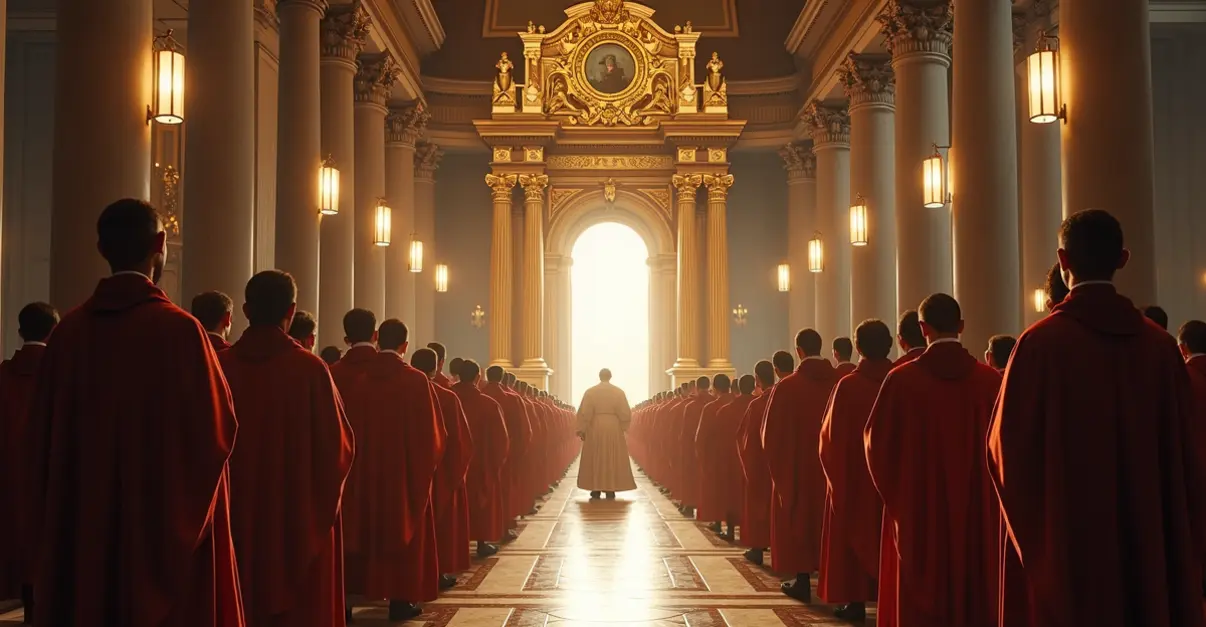
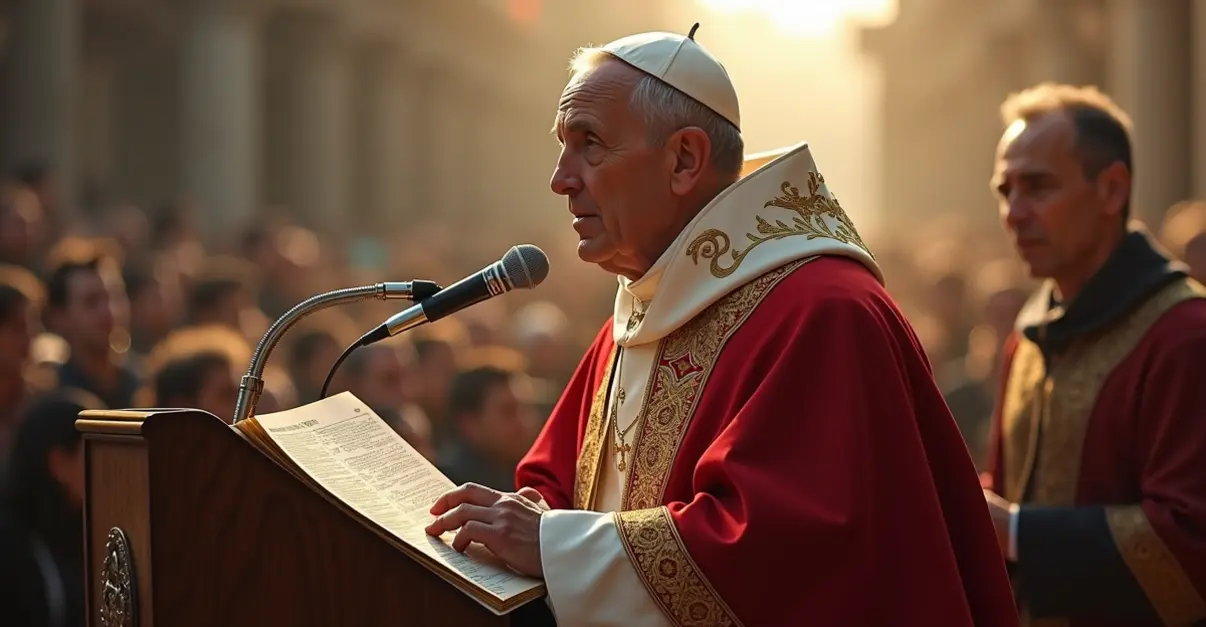
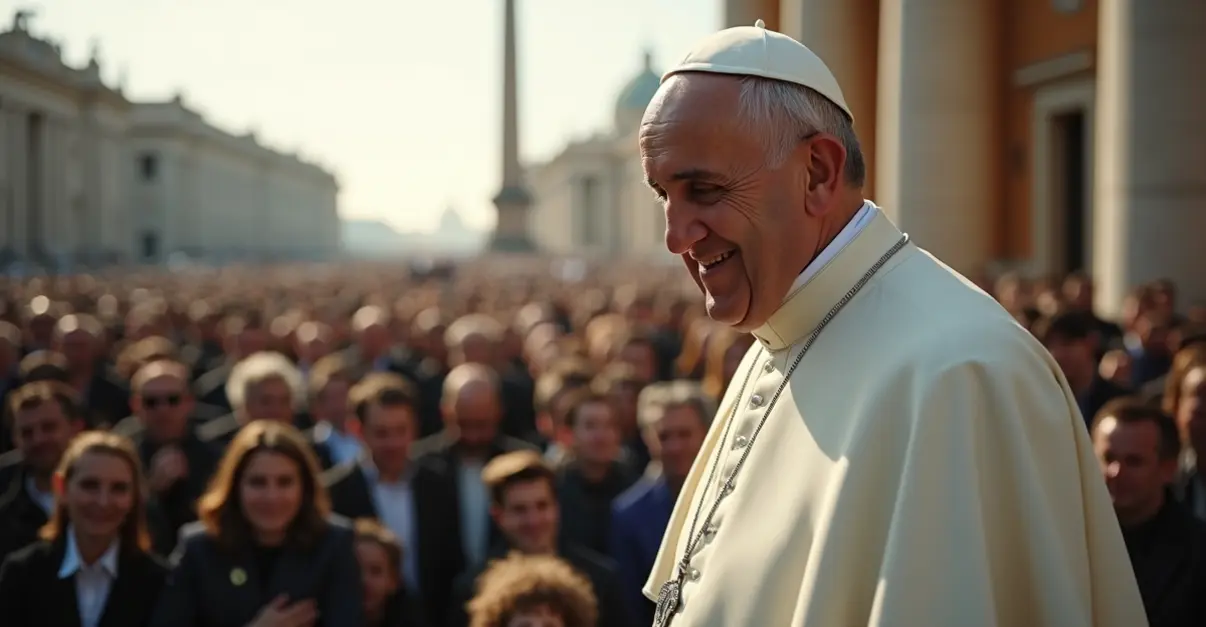
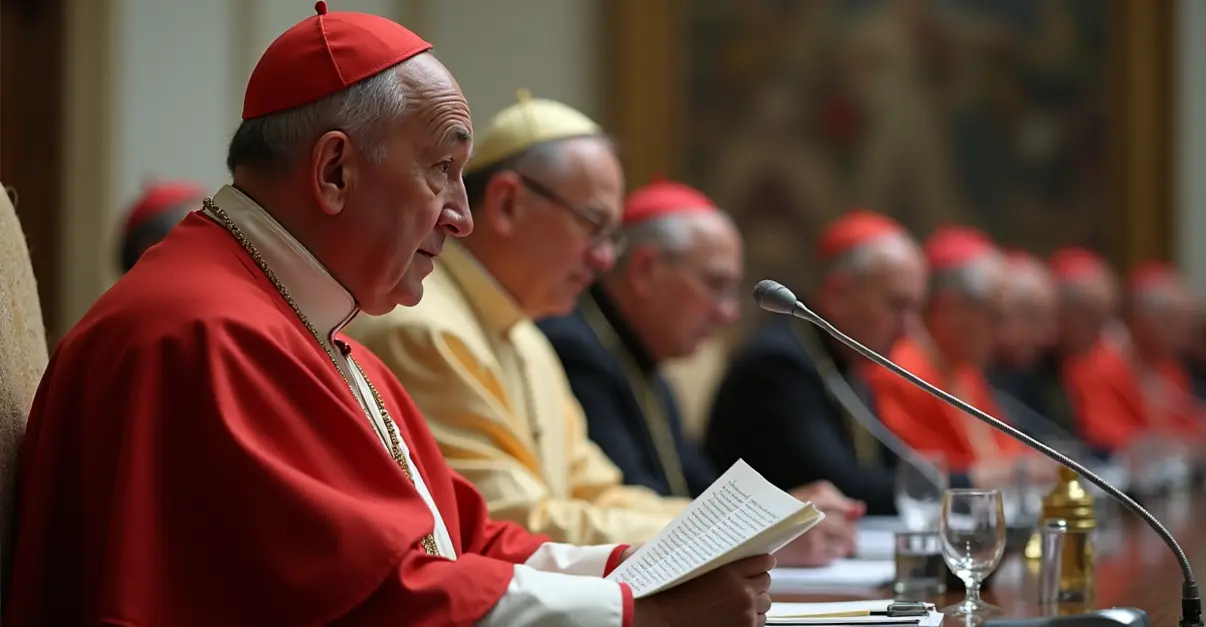
In a significant departure from recent Vatican governance styles, Pope Leo XIV has convened his first Extraordinary Consistory, bringing together 170 cardinals from around the world for intensive discussions about the future direction of the Catholic Church. The two-day meeting, which concluded on January 8, 2026, represents the American-born pontiff's commitment to what he calls 'a new way of being Church together.'
A Shift in Governance Style
The gathering marks a notable contrast with the approach of his predecessor, Pope Francis, who held only one extraordinary consistory during his 12-year papacy and relied heavily on a small advisory group of nine cardinals. 'I feel the need to be able to count on you,' Pope Leo told the assembled cardinals, emphasizing his desire for broader consultation and collaboration.
Vatican observers note this represents a deliberate shift toward more inclusive governance. 'This is about restoring balance after a period of ecclesial volatility,' noted one Vatican analyst speaking anonymously. 'Leo is signaling that he wants to govern with, not just through, the College of Cardinals.'
Focus on Synodality and Mission
Cardinals were presented with four potential discussion topics but voted overwhelmingly to focus on two key areas: synodality (the process of walking together as a Church) and evangelization in light of Pope Francis's landmark document Evangelii Gaudium. The decision to prioritize these themes over liturgical discussions or Vatican reforms was seen as strategic, avoiding potentially divisive debates about the traditional Latin Mass that have polarized conservative and progressive Catholics.
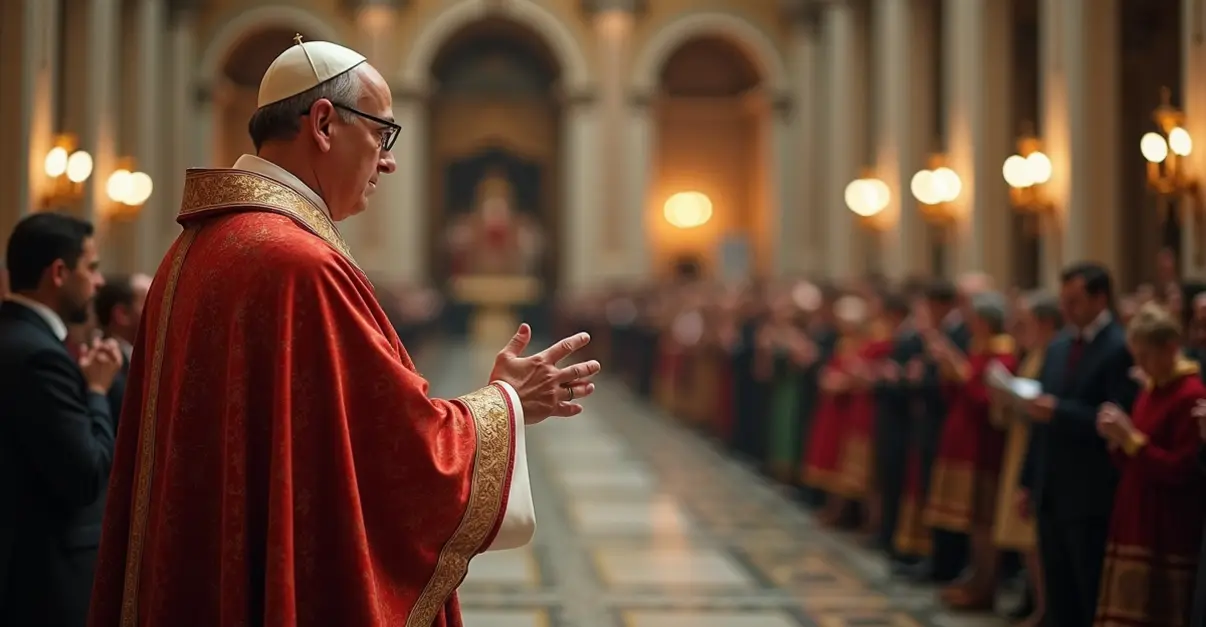
The working method itself was innovative, with cardinals divided into 20 language-based groups sitting at round tables designed to foster dialogue. 'The journey is as important as the conclusion,' Pope Leo emphasized, highlighting the synodal process as central to his vision.
Continuity with Vatican II
Pope Leo has positioned the Second Vatican Council (1962-1965) as the 'guiding star' of his papacy, continuing the modernization efforts that allowed Mass in local languages and greater lay participation. In his weekly audience before the consistory, he announced plans to regularly address Vatican II themes, stating its documents remain 'highly relevant but not always well understood.'
This commitment to Vatican II's spirit of aggiornamento (updating) places him firmly in the progressive tradition of recent popes while addressing criticisms that the council's reforms were never fully implemented.
Addressing Division and Looking Forward
The consistory comes at a critical moment for the 1.4 billion-member Church, which has experienced significant polarization in recent years. Pope Francis's papacy, while popular with many, left what some describe as a 'divided college' of cardinals with deep disagreements about the Church's direction.
'Is there still life in our Church?' Pope Leo asked during his Epiphany homily. His answer was a resounding yes, but one requiring everyone's help to 'make that life grow and flourish.'
Already, another extraordinary meeting is scheduled for late June, with plans to bring cardinals to the Vatican for three to four days annually. This regular consultation represents a structural change in how the papacy interacts with the Church's leadership worldwide.
As Cardinal Timothy Radcliffe noted in his meditation during the consistory, the Church faces contemporary challenges including violence, economic inequality, and artificial intelligence, alongside internal issues like sexual abuse and ideological divisions. How Pope Leo's collaborative approach addresses these challenges will define his papacy in the coming years.