


 Deutsch
 English
 Español
 Français
 Nederlands
 Português


 Share
Share




Saif al-Islam Gaddafi Killed in Masked Commando Attack
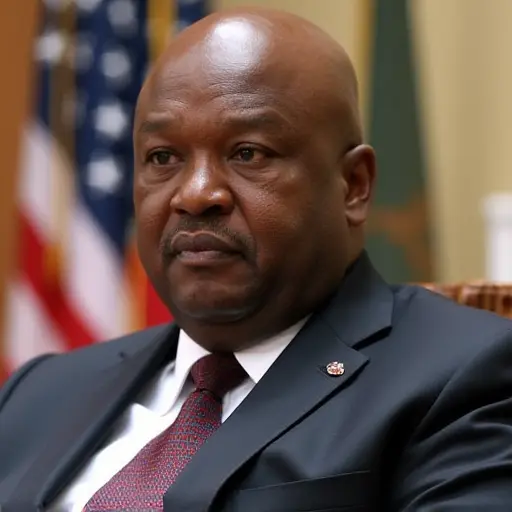
Saif al-Islam Gaddafi, the 53-year-old son of former Libyan dictator Muammar Gaddafi, has been assassinated in what his political team described as a 'treacherous and cowardly' attack. The killing occurred on February 3, 2026, at his residence in Zintan, northwestern Libya, where four masked assailants stormed the property, disabled security cameras, and fatally shot the once-presumed heir to Libya's leadership.
Details of the Attack
According to multiple international reports, including confirmation from CNN and Al Jazeera, the attack was executed with military precision. The assailants entered Gaddafi's home, disabled surveillance systems, and carried out the assassination before fleeing the scene. 'He fell as a martyr,' his adviser stated in a public announcement, while his political team demanded an independent investigation into what they called a targeted killing.
From Heir Apparent to Controversial Figure
Saif al-Islam was long considered the natural successor to his father, who ruled Libya for 42 years until being overthrown and killed in 2011. Educated in Vienna and London, he earned a PhD from the London School of Economics and was initially seen as a reformer who could bridge Libya's relations with the West. 'He was the face of Libya's attempts to emerge from international isolation in the 2000s,' noted regional analyst Emadeddin Badi in comments to France 24.
However, his image transformed dramatically during the 2011 Arab Spring uprising, when he became a key architect of his father's brutal crackdown on protesters. The International Criminal Court issued an arrest warrant for him on charges of crimes against humanity, which remained active until his death.
Political Comeback Attempts
After being captured by Zintan militia in 2011 and held until his controversial release in 2017 under an amnesty law, Saif al-Islam attempted a political comeback. In 2021, he registered as a presidential candidate, though elections were repeatedly postponed. His candidacy created significant controversy, with many Libyans divided between those who saw him as a symbol of stability and others who viewed him as a reminder of a brutal dictatorship.
'His death eliminates Libya's last viable spoiler to the current power structure,' according to analysis from Al-Monitor, suggesting the assassination benefits both eastern military strongman Khalifa Haftar and Tripoli-based Prime Minister Abdulhamid Dbeibah by removing a potential alternative leader.
Libya's Fragile Political Landscape
Libya has remained deeply divided since the 2011 NATO-backed uprising that overthrew Muammar Gaddafi. The country is split between rival governments in the east and west, with numerous militias controlling different territories. The timing of Saif al-Islam's killing is particularly significant, coming just 48 hours after a US-brokered meeting in Paris between key Libyan political figures aimed at breaking the country's political deadlock.
According to Firstpost, Libyan authorities have confirmed the death and are investigating the circumstances, though no group has claimed responsibility. The sophisticated nature of the operation has led to speculation about possible foreign involvement, though most analysts point to internal Libyan power struggles as the more likely explanation.
International Reaction and Legacy
The assassination has drawn international attention to Libya's ongoing instability. While the International Criminal Court had long sought Gaddafi's arrest, his violent death raises questions about justice and accountability for crimes committed during his father's regime. 'This marks the end of an era for Libya,' said Middle East scholar Anwar Sharif, 'but whether it brings the country closer to stability or further violence remains to be seen.'
Saif al-Islam Gaddafi's death removes one of the most prominent symbols of pre-2011 Libya from the political scene, potentially altering the dynamics of any future elections and reconciliation efforts in the oil-rich North African nation that continues to struggle with division and conflict thirteen years after the fall of its longtime ruler.
Follow Discussion