


 Deutsch
 English
 Español
 Français
 Nederlands
 Português


 Share
Share




Supreme Court Forces Trump's Hand in National Guard Withdrawal
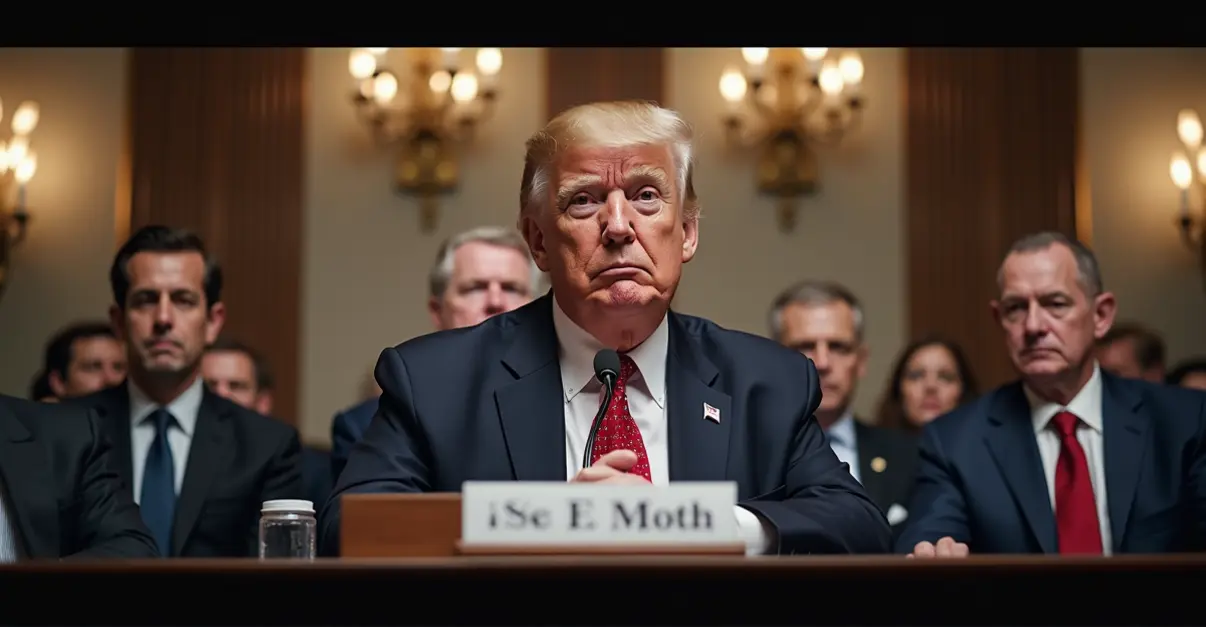
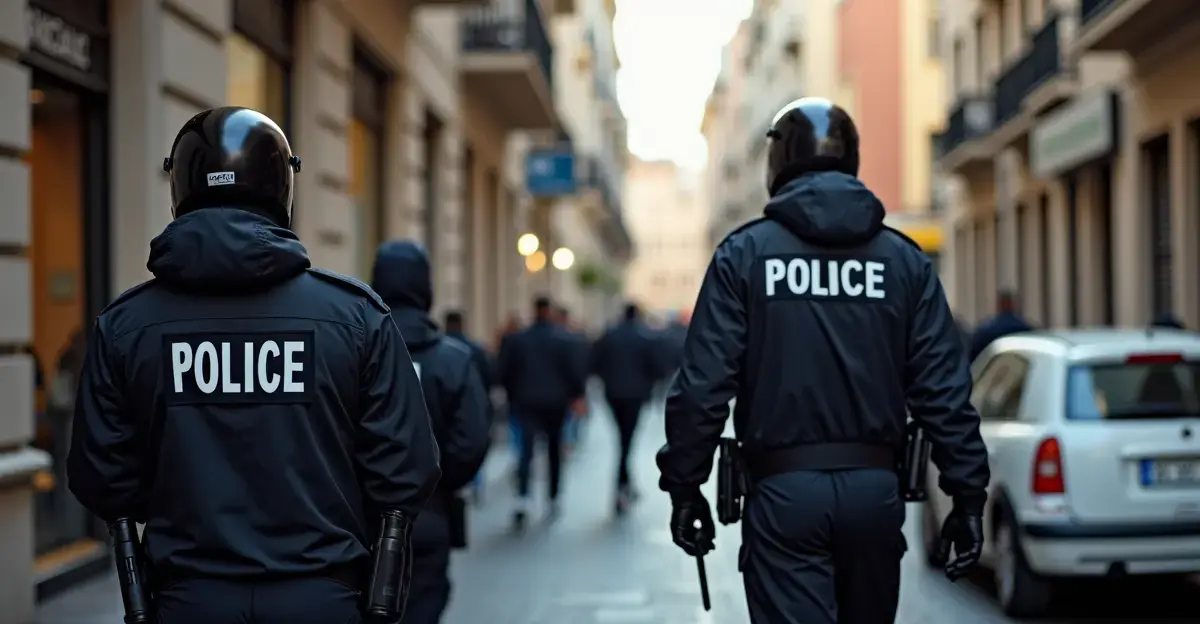
In a significant reversal of policy, former President Donald Trump has announced the withdrawal of National Guard troops from Chicago, Los Angeles, Portland following a decisive Supreme Court ruling that limited his authority to deploy military forces for domestic law enforcement. The December 2025 decision marked a major legal setback for the Trump administration's approach to urban crime reduction through military intervention.
Legal Battle Reaches Constitutional Limits
The Supreme Court's 6-3 ruling found that the administration 'failed to identify a source of authority that would allow the military to execute the laws in Illinois', according to court documents. This decision came after months of legal challenges from Democratic-led cities and states that argued Trump's deployment of federalized National Guard troops violated constitutional principles of federalism and the Posse Comitatus Act, which restricts the use of military forces for domestic law enforcement.
Justice Samuel Alito, in his dissent, argued that 'protecting federal officers from potentially lethal attacks should not be thwarted', but the majority opinion prevailed, establishing important limitations on presidential power. The ruling specifically addressed 10 U.S.C. § 12406, which authorizes presidential authority to call the National Guard into federal service, but the Court clarified this statute is not a 'blank check' for deploying federalized Guard forces over state objections.
Political Reactions and Local Impact
Democratic leaders in the affected cities celebrated the withdrawal as a victory for local governance. California Governor Gavin Newsom stated that the decision 'means there will finally be an end to this illegal intimidating tactic' and that California would regain control over military deployments within its borders.
Chicago Mayor Brandon Johnson, whose office had shared local crime statistics showing the city's lowest crime rates in a decade, called the Supreme Court ruling 'a victory for cities across America'. He added that the decision prevents the Constitution from 'being eroded by an authoritarian leader' and demonstrates that 'at least one other branch of government recognizes that the president's excessive powers pose a real threat to our democracy'.
Crime Statistics Undermine Justification
Data from Chicago Police Department revealed significant crime reductions in 2025, with shootings down 37%, homicides down 32%, and overall violent crime decreased by over 22% compared to 2024. According to University of Chicago Crime Lab data, Chicago recorded 411 homicides between January 1 and December 27, 2025 - a dramatic 30% decrease that would mark the city's lowest homicide count in over a decade.
These statistics directly contradicted Trump's justification for the deployments. As one political analyst noted, 'The crime data shows Chicago was making significant progress through local initiatives long before federal troops arrived, undermining the administration's entire rationale for military intervention.'
Financial Costs and Operational Questions
The National Guard deployments came with substantial financial burdens. California taxpayers faced approximately $120 million in costs for the troop presence, while operational impact remained minimal. Many security experts questioned the effectiveness of military forces in urban crime reduction, noting that traditional law enforcement and community-based approaches have proven more sustainable.
'Military forces are trained for combat, not community policing,' explained Dr. Maria Rodriguez, a security studies professor at Georgetown University. 'Their presence often escalates tensions in communities already struggling with trust issues with law enforcement.'
Future Implications and Legal Precedent
Despite the withdrawal, Trump hinted at potential future deployments, stating on Truth Social that federal forces 'will return, perhaps in a very different and stronger form, if crime increases again'. He added that their return is 'just a matter of time'.
Legal experts say the Supreme Court ruling establishes important precedent for future administrations. 'This decision clarifies that presidents cannot unilaterally deploy military forces for domestic law enforcement without clear statutory authority and compelling justification,' said constitutional law professor James Wilson. 'It reinforces the balance between federal and state power that's fundamental to our system of government.'
The ruling also affects ongoing deployments in other cities. While Trump withdrew troops from Chicago, Los Angeles, and Portland, National Guard members remain in Washington D.C. and Memphis, though their legal status may now be subject to similar challenges.
Broader Context of Federal-State Relations
The controversy highlights ongoing tensions in American federalism. Traditionally, National Guard deployments occur at the request of state governors for disaster response or other emergencies. Trump's unilateral deployments to Democratic-led cities represented a departure from this norm, sparking debates about presidential overreach.
As the nation moves forward, the Supreme Court's decision serves as a reminder of constitutional checks and balances. While security concerns remain legitimate policy issues, the ruling affirms that military solutions to domestic problems must operate within established legal frameworks and respect the division of powers between federal and state governments.


Follow Discussion