Nederlands
 English
 Deutsch
 Français
 Español
 Português
Global TikTok regulation debates intensify in 2025 with US divestiture requirements, EU transparency violations, and Australia's youth ban. National security concerns drive policy while platform faces complex compliance challenges.

TikTok Faces Mounting Regulatory Pressure Worldwide
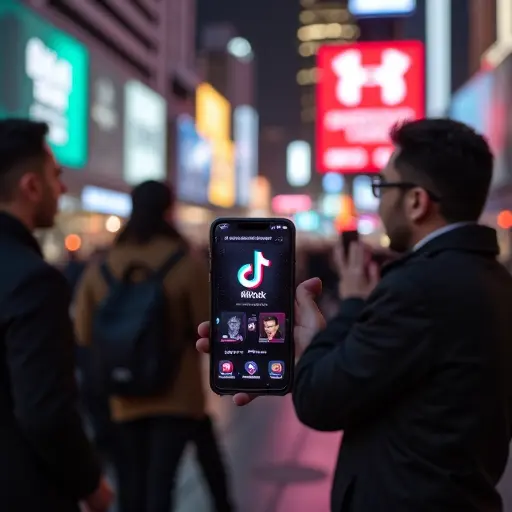
As 2025 unfolds, TikTok finds itself at the center of an unprecedented global regulatory storm. Parliaments across multiple continents are intensifying debates about the popular social media platform, with data access concerns and national security arguments taking center stage. The platform, owned by Chinese company ByteDance, has become a geopolitical flashpoint as governments grapple with balancing digital innovation, user privacy, and national security.
U.S. Takes Aggressive Stance with Divestiture Requirements
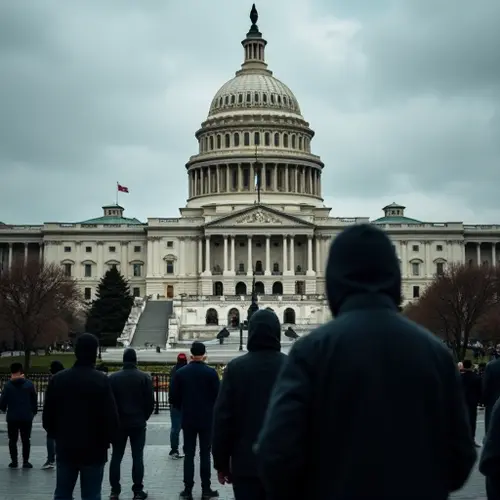
In the United States, the regulatory landscape has reached a critical juncture. Following the Supreme Court's January 2025 decision upholding a law requiring ByteDance to divest its American operations, the White House has outlined a framework for what it calls 'saving TikTok while protecting national security.' The executive order, detailed in a White House document, creates a new U.S.-based joint venture that would be majority-owned by American entities, with ByteDance retaining less than 20% ownership.
'This arrangement removes TikTok from foreign adversary control and implements key safeguards,' the order states, emphasizing that algorithm control and content moderation would be placed under U.S. oversight. The framework includes storing sensitive user data with American cloud providers and implementing intense monitoring by trusted security partners.
The Congressional Research Service report R48023, available through Congress.gov, provides nonpartisan analysis of these complex issues, examining legislative options while considering First Amendment implications and the platform's widespread use among American youth.
European Union Targets Transparency Violations
Across the Atlantic, the European Union has taken a different regulatory approach. In October 2025, the European Commission preliminarily found both TikTok and Meta in breach of transparency obligations under the Digital Services Act (DSA). According to CNBC reporting, the Commission accused TikTok of failing to provide researchers with adequate access to public data, which hampers research into potential physical or mental health impacts.
'There's a clear tension between DSA requirements and GDPR data protection rules,' a TikTok spokesperson reportedly stated in response to the findings. If upheld, these violations could result in fines of up to 6% of TikTok's total worldwide annual turnover.
The European Parliament Research Service has published a comprehensive briefing, available as EPRS briefing 775837, examining the complex legal challenges TikTok faces under EU regulations, particularly focusing on cross-jurisdictional issues between EU law and TikTok's Chinese ownership structure.
Australia Pioneers Radical Youth Protection Measures
Meanwhile, Australia has taken perhaps the most dramatic regulatory action of any nation. Effective December 10, 2025, Australia became the first country to implement a nationwide ban on social media access for users under 16. As reported by CNBC, the policy targets 10 major platforms including TikTok, requiring them to implement rigorous age verification methods like facial estimation, ID uploads, or linked bank details.
'While supported by 77% of Australians according to surveys, the ban faces criticism over privacy concerns and potential circumvention via VPNs,' experts note. The Australian approach is being closely watched by countries including Denmark, Norway, France, Spain, Malaysia, and New Zealand, all of which are considering similar measures.
Platform Responses and Economic Implications
TikTok has responded to these regulatory pressures with a combination of compliance efforts and strategic positioning. The company has emphasized its economic contributions, noting that in 2023 alone, TikTok contributed $24.2 billion to U.S. GDP according to analysis cited in GovFacts reporting.
The platform has also highlighted its cultural significance, with over 170 million American users and billions of downloads worldwide. 'We're committed to working constructively with regulators while protecting the creative expression of our global community,' a TikTok executive stated recently.
However, critics remain concerned about the platform's corporate structure. As noted in Wikipedia's TikTok entry, ByteDance's ownership includes Chinese state funds and entities through a 1% golden share arrangement, raising persistent questions about potential government influence.
The Broader Geopolitical Context
These regulatory debates occur against the backdrop of intensifying U.S.-China technology competition. As analyzed by the University of Washington's Jackson School of International Studies in their examination of the TikTok debate, the platform has become a symbol of broader tensions between digital sovereignty and global connectivity.
'The TikTok regulation debates represent a fundamental shift in how nations approach digital platform governance,' observes technology policy analyst Dr. Elena Rodriguez. 'We're moving from purely commercial regulation to frameworks that explicitly consider national security and geopolitical factors.'
As 2025 progresses, these regulatory debates show no signs of abating. With multiple parliamentary discussions ongoing simultaneously across different continents, TikTok's future operations will likely be shaped by a complex patchwork of national regulations rather than any single global standard.