
 Deutsch
 English
 Español
 Français
 Nederlands
 Português

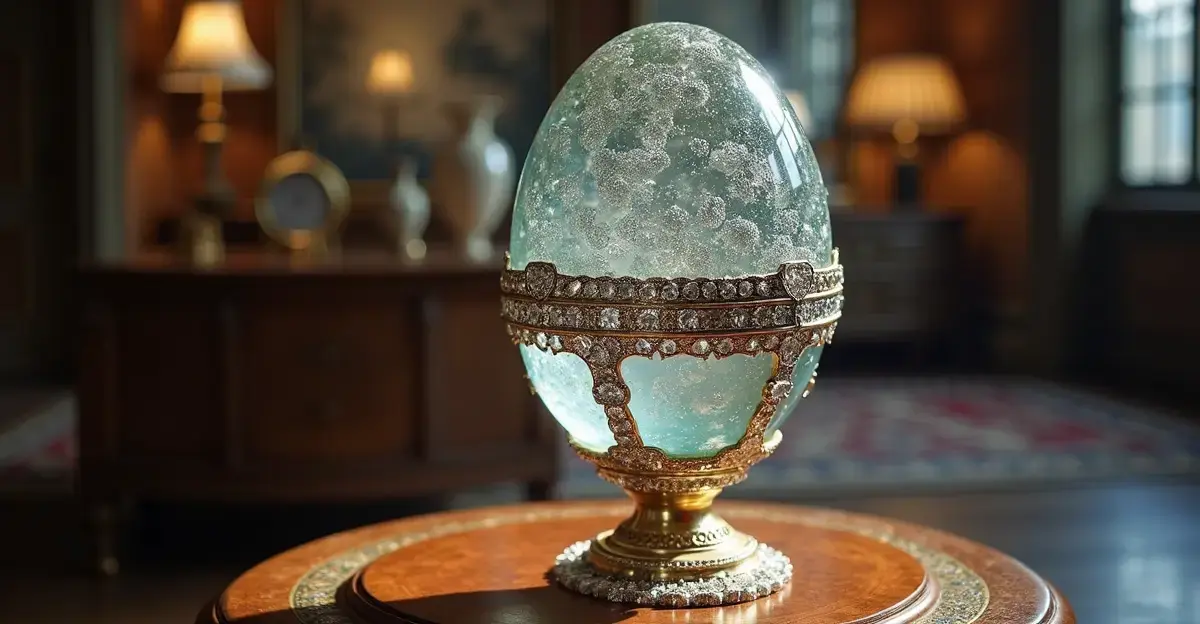





Historic Fabergé Egg Shatters Auction Records in London
A masterpiece of Russian imperial craftsmanship, the 1913 Fabergé Winter Egg, has sold for a staggering $30.2 million (£22.9 million) at Christie's auction house in London, setting a new world record for any Russian work of art. The sale on December 2, 2025, represents the highest price ever paid for a Fabergé egg at auction, surpassing the previous record held by the Rothschild Egg which sold for £8.9 million.
The Imperial Masterpiece
Commissioned by Tsar Nicholas II as an Easter gift for his mother, Dowager Empress Maria Feodorovna, the Winter Egg is considered one of the most technically and artistically inventive of the 50 Imperial Easter eggs created by the House of Fabergé. Designed by 25-year-old female jeweler Alma Pihl, the egg features a rock crystal shell carved to resemble ice dusted with frost, adorned with 4,500 rose-cut diamonds arranged in delicate snowflake patterns.
Inside the egg lies the 'surprise' - a miniature platinum basket filled with wood anemones crafted from white quartz, nephrite, and garnets. The entire creation stands 102mm tall and represents a departure from traditional Fabergé designs by drawing inspiration directly from nature. 'This is arguably the best of them all among Imperial Easter Eggs,' said a Christie's specialist who spoke on condition of anonymity.
A Storied History
The Winter Egg has a dramatic history that mirrors Russia's turbulent 20th century. Created in 1913, just four years before the Russian Revolution, it was originally priced at 24,700 rubles - making it the most expensive Easter egg ever produced by Fabergé. After the revolution, the Bolsheviks seized the egg along with other imperial treasures and sold it abroad to raise funds for the new Soviet state.
The egg has changed hands several times, setting auction records with each sale. It first sold for $5.6 million in 1994, then for $9.6 million in 2002 when purchased by Qatari Prince Saud bin Muhammed Al Thani. This latest sale marks the first appearance of an Imperial Egg at auction in over 23 years, reflecting the growing rarity of these masterpieces.
Market Significance and Buyer Speculation
The record-breaking sale comes amid renewed interest in Fabergé works and Russian imperial art. Only seven of the original 50 Imperial Eggs remain in private hands today, making this auction particularly significant. The astronomical price reflects both the historical importance and extraordinary craftsmanship of this iconic work.
While Christie's has not disclosed the buyer's identity, speculation in art circles suggests Russian tech investor Sergei Mosunov may be the purchaser, following his recent $50 million acquisition of the Fabergé brand. 'This sale demonstrates the enduring appeal of these objects as both historical artifacts and investment pieces,' noted art market analyst Elena Petrova.
The Winter Egg's design was revolutionary for its time. Unlike earlier Fabergé eggs that featured enamel and precious metals, Pihl's creation used rock crystal and diamonds to create a translucent, frost-like effect. The wood anemones inside symbolize spring emerging from winter - a poignant metaphor given the egg was created during the final years of the Romanov dynasty.
For more information on Fabergé eggs, visit Wikipedia.




Follow Discussion