Nederlands
 English
 Deutsch
 Français
 Español
 Português
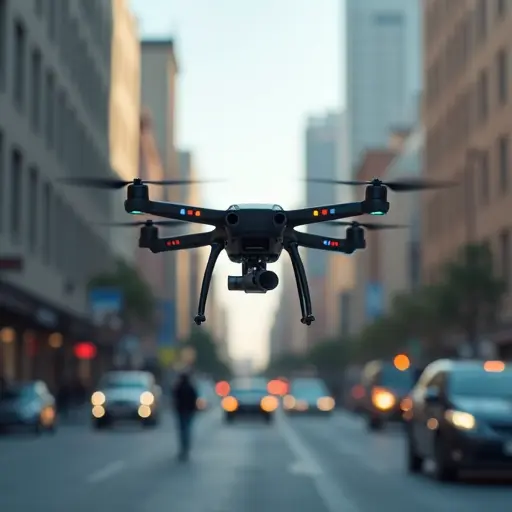
Autonomous drone deliveries begin in US pilot neighborhoods following FAA regulatory waivers. Major retailers like Walmart and Amazon lead expansion with advanced safety testing and commercial partnerships enabling rapid delivery of household items.
Revolution in the Skies: Drone Delivery Takes Flight
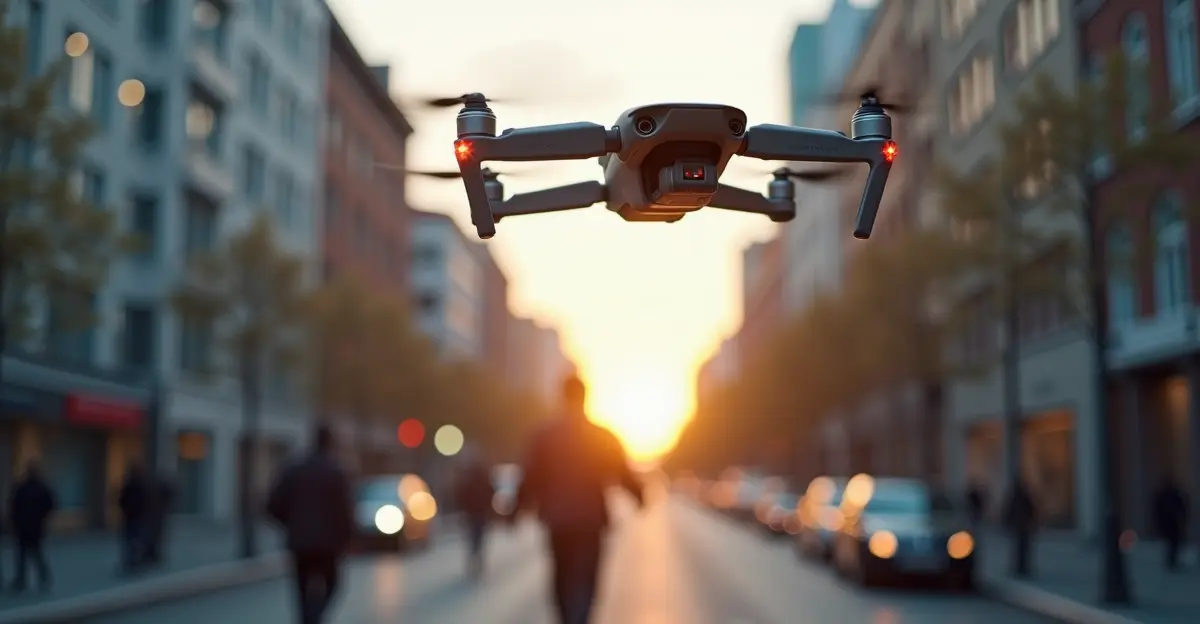
In a landmark development for urban logistics, autonomous drone deliveries have officially commenced operations in select pilot neighborhoods across the United States. This breakthrough comes as the Federal Aviation Administration (FAA) has granted regulatory waivers allowing beyond visual line of sight (BVLOS) operations, marking a significant shift from the traditional waiver-based system toward standardized commercial drone deployment.
Regulatory Breakthrough Enables Commercial Scale
The FAA's landmark Notice of Proposed Rulemaking released in August 2025 establishes comprehensive regulations for commercial drone operations, creating a pathway for routine low-altitude BVLOS operations at or below 400 feet. 'This represents the most significant regulatory advancement for commercial drone operations in decades,' says aviation analyst Mark Richardson. 'We're moving from experimental waivers to scalable commercial operations that can serve millions of households.'
Safety Testing and Community Integration
Extensive safety testing has been conducted to ensure community safety and operational reliability. Drone operators must obtain FAA Part 135 certification and comply with rigorous environmental reviews under the National Environmental Policy Act. Advanced sense-and-avoid systems using LiDAR and artificial intelligence enable drones to navigate complex urban environments while maintaining safe distances from buildings, power lines, and other obstacles.
'The safety protocols we've implemented are more stringent than those for traditional aviation,' explains Sarah Chen, safety director at Wing. 'Each drone undergoes thousands of hours of testing, including emergency scenarios and adverse weather conditions.'
Commercial Partnerships Driving Expansion
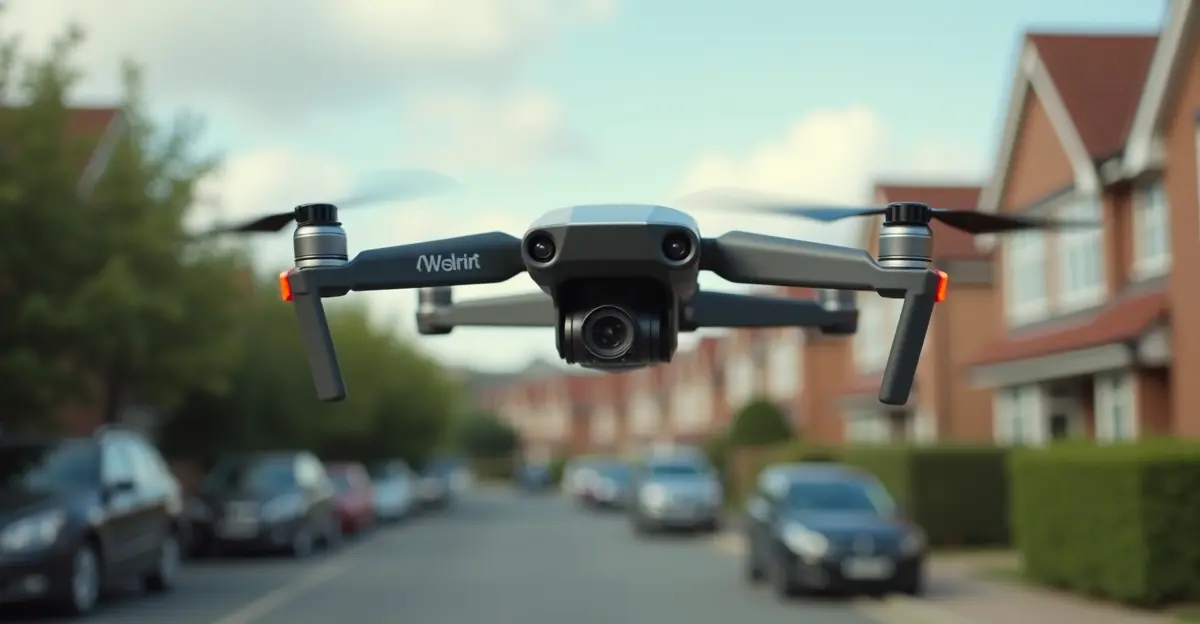
Major retailers are leading the charge in drone delivery expansion. Wing has partnered with Walmart to serve 18 Dallas-area stores with plans to expand to 100 stores across Atlanta, Charlotte, Houston, Orlando, and Tampa by next summer. The company has already completed over 350,000 deliveries globally, primarily in Australia, using hybrid VTOL drones that carry 2.5-5 pounds within a 6-mile radius.
Meanwhile, Amazon has expanded its Prime Air service from College Station, Texas to suburban Phoenix, with additional launches planned for Dallas, San Antonio, and Kansas City. Amazon's MK30 hexacopter carries up to 5 pounds and features advanced sensors with quieter operation.
Neighborhood Impact and Consumer Response
The pilot neighborhoods selected for initial deployment represent diverse urban and suburban environments. Residents in these areas can now receive deliveries of common household items including ice cream, eggs, and medications in under 19 minutes on average. 'I was skeptical at first, but receiving my prescription medication in 12 minutes during a busy workday was incredible,' shares Dallas resident Maria Gonzalez. 'The convenience is unmatched, especially for time-sensitive items.'
However, the service does come with challenges. Current delivery costs average around $13.50 per package compared to $2 for traditional vehicle delivery, though companies expect prices to decrease as operations scale. Weather limitations, noise concerns, and privacy considerations remain ongoing areas of focus for improvement.
Future Outlook and Industry Growth
The drone delivery industry is poised for exponential growth. Zipline, which has logged over 1.5 million global deliveries including medical supplies in Africa, launched commercial service with Walmart in Texas in 2025. Amazon targets 500 million annual deliveries by the end of the decade.
'We're witnessing the birth of a new transportation ecosystem,' says technology analyst Dr. Emily Watson. 'The combination of regulatory progress, technological advancement, and commercial partnerships creates the perfect storm for rapid adoption. Within five years, drone delivery could become as commonplace as traditional package services in many communities.'
The successful launch of these pilot programs represents a critical milestone in the evolution of last-mile delivery, promising to transform how consumers receive goods while creating new opportunities for logistics innovation and urban planning.