
 Deutsch
 English
 Español
 Français
 Nederlands
 Português






Landmark Advertising Ban Takes Effect in the UK
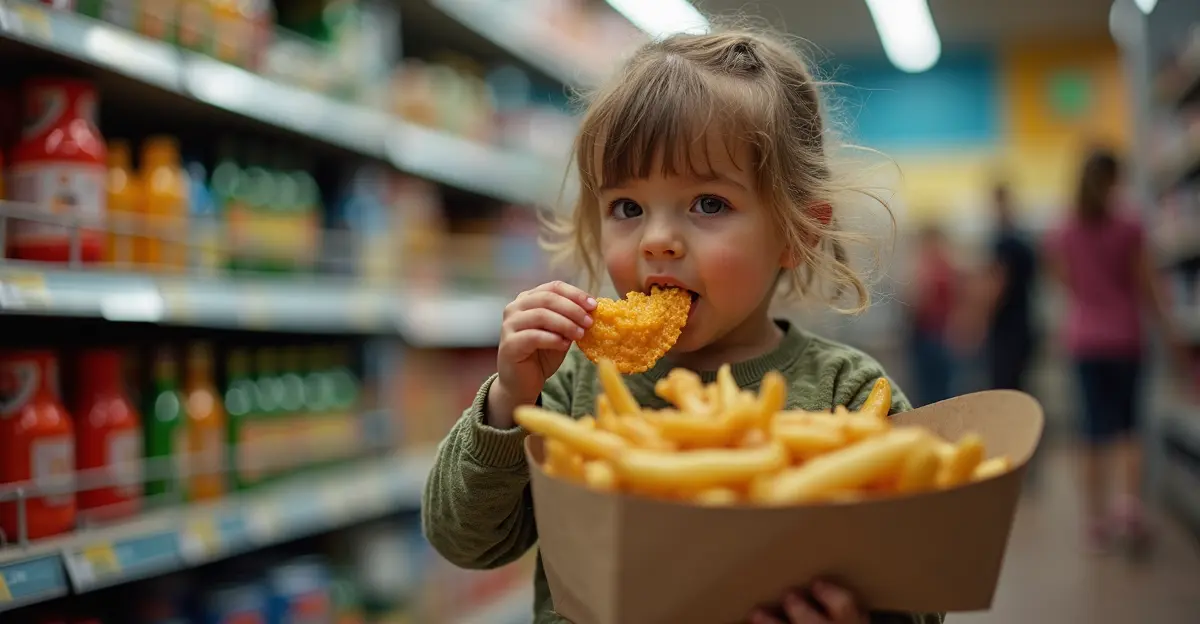
In a bold move to combat childhood obesity, the United Kingdom has implemented a comprehensive ban on junk food advertising that took effect on January 5, 2026. The new regulations prohibit television advertisements for foods high in fat, sugar, and salt (HFSS) between 5:30 AM and 9:00 PM, while completely banning all paid online promotions for these products at any time. This world-leading policy represents one of the most significant public health interventions in recent years, targeting the media platforms most frequently used by children.
The Scale of the Childhood Obesity Crisis
Statistics reveal the urgent need for such measures. According to UK government data, 22.1% of children in England start primary school overweight or obese, with this figure rising to 35.8% by the time they leave. One in three primary school children in the UK has overweight or obesity issues. The government estimates this advertising ban will prevent approximately 20,000 cases of childhood obesity annually and remove up to 7.2 billion calories from children's diets each year.
'Obesity robs children of a healthy start in life and costs the NHS billions,' said Health Secretary Wes Streeting, emphasizing the preventive approach of the new regulations.
How the Ban Works
The restrictions cover 13 categories of unhealthy foods including soft drinks, chocolate, sweets, pizza, cakes, ice cream, breakfast cereals, and processed snacks. Products are assessed using a nutrient profiling tool that scores foods based on their content of energy, saturated fat, total sugar, and sodium. Only products scoring outside acceptable ranges face advertising restrictions.
The Advertising Standards Authority will enforce compliance, though critics note potential loopholes in brand-only advertising and shifts to outdoor media. Companies can still advertise healthier versions of products, and brand advertising is permitted as long as unhealthy products aren't identifiable.
International Perspectives and Dutch Context
The UK's decisive action has drawn attention to similar debates in other countries. In the Netherlands, obesity expert Liesbeth van Rossum, professor at Erasmus MC in Rotterdam, has been advocating for stronger measures. 'If you see products with lots of sugar and fat, it stimulates our brains. And you get a craving for them. But children have no idea that there are commercial intentions behind them, they believe what they see,' Van Rossum explained.
She points out that in the Netherlands, one in seven children has (severe) overweight, and approximately €1.6 billion is spent on food advertising annually, with 80% of that promoting unhealthy products. The percentage is even higher in children's advertising.
From Self-Regulation to Legal Measures
Van Rossum criticizes the current Dutch approach of self-regulation through the National Prevention Agreement established in 2018. 'Self-regulation doesn't work because the agreements weren't binding. Products were just as unhealthy as before,' she stated, advocating for legal measures instead.
Research shows that 67% of Dutch people support a ban on children's advertising if it compromises health. Van Rossum also recommends other obesity-fighting measures like price incentives making healthy food cheaper and unhealthy options more expensive, reducing VAT on fruits and vegetables, and improving product offerings in stores and schools.
Scientific Evidence Supporting the Ban
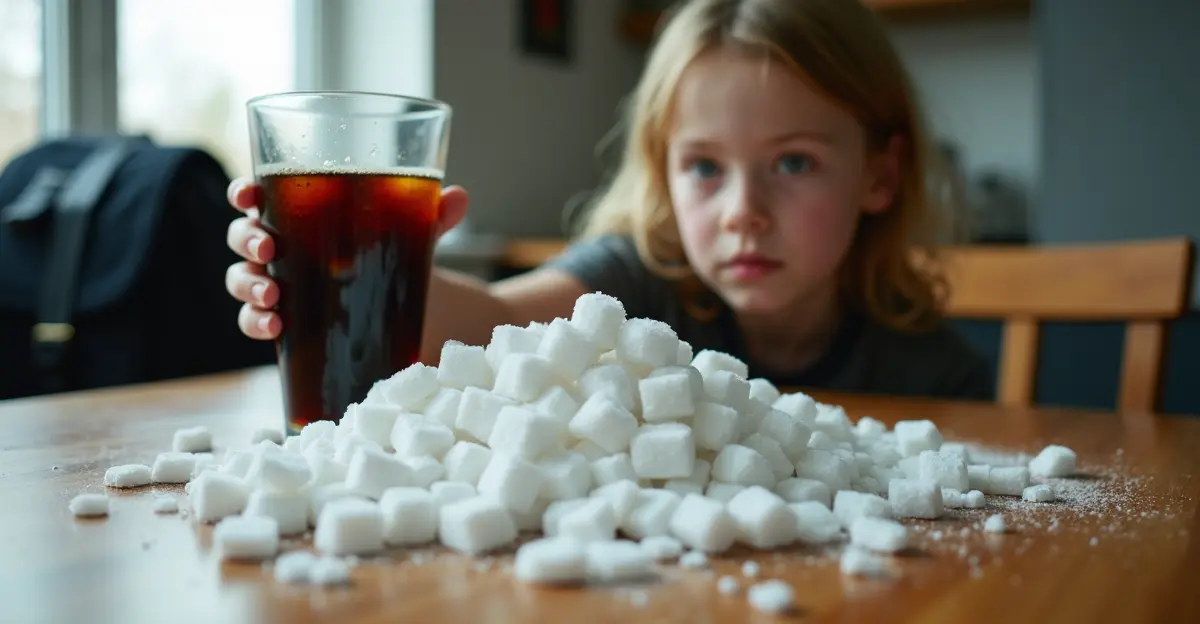
Research consistently shows the impact of food advertising on children's eating habits. Studies indicate that even brief exposure to junk food advertising can lead children to consume an average of 130 extra calories per day. A 2025 review article established a causal relationship between food advertising exposure and childhood obesity, finding that children are extensively exposed to unhealthy food advertising, particularly through digital platforms.
The UK government estimates the ban will deliver approximately £2 billion (€2.3 billion) in health benefits annually by reducing healthcare costs associated with obesity-related conditions like type 2 diabetes, heart disease, and certain cancers.
Looking Forward
The UK's comprehensive approach sets a precedent for other nations grappling with rising childhood obesity rates. While the Dutch government has proposed restrictions on cartoon characters on candy packaging and daytime cookie commercials, significant loopholes remain, particularly regarding digital marketing on platforms like TikTok and YouTube.
Van Rossum emphasizes that legal measures shouldn't be seen as paternalism: 'This is a restoration of the balance of the food environment that currently systematically steers us toward unhealthy behavior.'
As the UK implements these landmark restrictions, health organizations worldwide will be watching closely to assess their effectiveness in creating healthier food environments for children and reducing the long-term health and economic burdens of obesity.





Follow Discussion