
 Deutsch
 English
 Español
 Français
 Nederlands
 Português






First 48 Hours Crucial for Swiss Fire Victims as Recovery Will Take Years
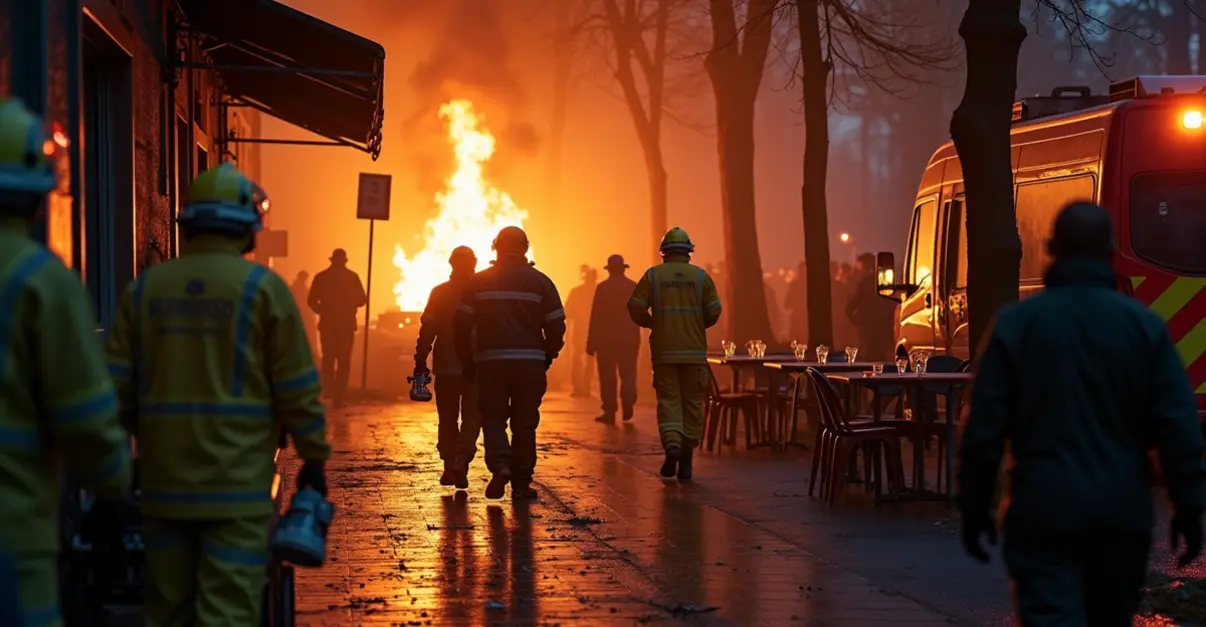
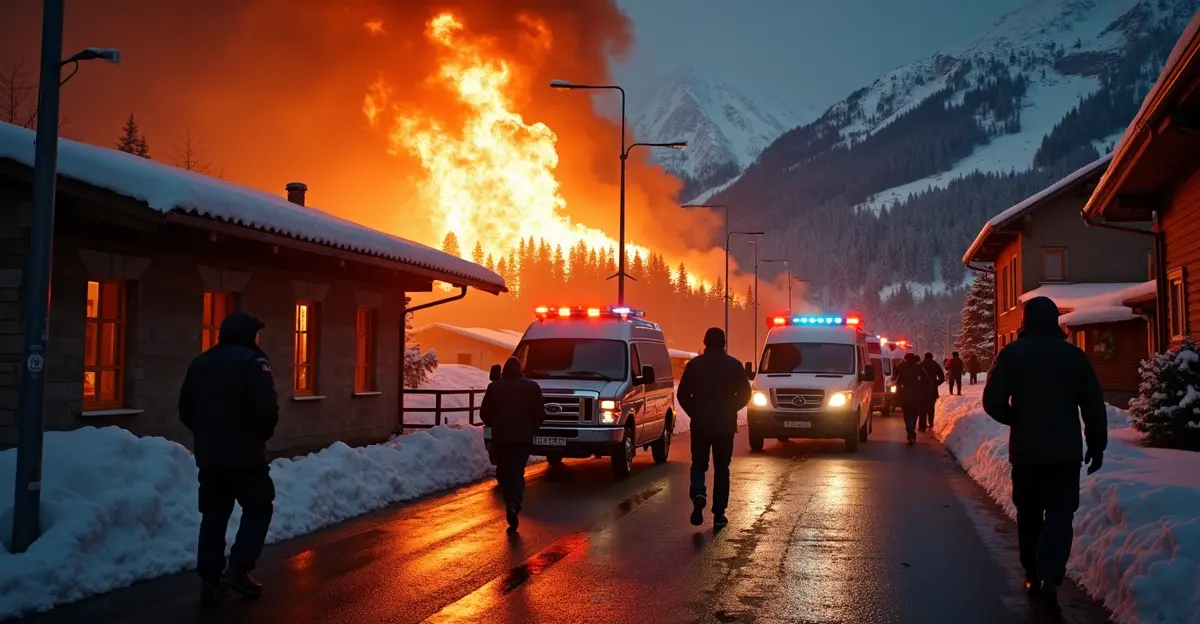
The devastating New Year's Eve café fire in Crans-Montana, Switzerland has left 119 people injured, with many fighting for their lives in what medical experts describe as one of the most challenging mass casualty events in recent European history. According to The Guardian, the blaze killed 40 people and overwhelmed Switzerland's medical system, forcing the transfer of patients to specialized burn units across Europe.
The Critical First Phase
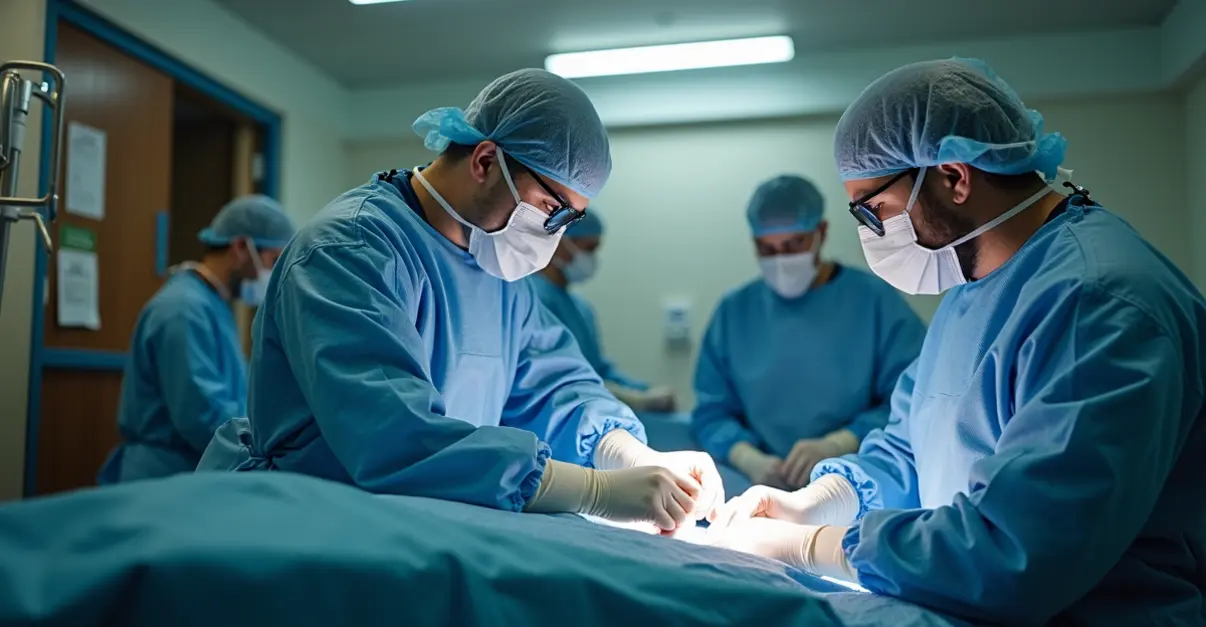
Medical experts emphasize that the first 24 to 48 hours represent the acute phase of burn treatment. 'During this period, we focus on administering oxygen, fluids, electrolytes, and proteins while closely monitoring wounds and organs,' explains Paul van Zuijlen, head of the burn center and plastic surgeon at RKZ Burn Center in Beverwijk, Netherlands. 'Sometimes we need to place tubes in the trachea immediately if swelling occurs from hot air damage to the mucous membranes.'
Victims who inhaled toxic gases require hyperbaric oxygen therapy to flush out substances like carbon monoxide from their lungs and bloodstream. According to medical research, this early intervention is critical for preventing long-term neurological damage.
Massive Burn Injuries Present Unique Challenges
Some victims suffered burns covering up to 60% of their body surface area. 'Your entire hand represents just one percent of total skin surface,' notes burn specialist Keli Jansen from Rotterdam Burn Center. 'When someone loses 60% of their skin barrier, infections can easily penetrate, immune systems work overtime, and the body loses vital fluids and substances.'
Third-degree burns, which destroy all skin layers, cannot heal on their own. 'We have only 40% of healthy skin left to harvest for grafting when someone is 60% burned,' Van Zuijlen explains. 'We use various techniques to stretch skin effectively and cover wounds through transplantation.' Only in extreme cases can donor tissue be used temporarily, but ultimately the patient's own skin must be used for permanent healing.
International Medical Response
The scale of the disaster required unprecedented international cooperation. According to European Commission statements, the EU expressed full solidarity with Switzerland and assisted in evacuating victims to specialized facilities across Europe. Patients were transported to burn centers in Belgium, France, Germany, and Poland as Swiss hospitals reached capacity.
Pain Management and Artificial Comas
Many victims have been placed in medically induced comas. 'When people experience unbearable pain, they enter stress situations that force the body to work even harder,' says Jansen. 'Sometimes it's better to keep someone asleep to bypass pain and maintain control over vital parameters like temperature, heart rate, and blood pressure.'
The pain experience varies dramatically among burn victims. Some report stabbing, burning, or tingling sensations, while others with deeper burns feel nothing because nerve endings have been destroyed. Many survivors will experience intense itching during recovery.
Long Road to Recovery
Recovery from such extensive burns takes years, not months. 'Patients typically spend months in burn centers, with the first weeks in intensive care,' Jansen explains. 'Then follow months in rehabilitation centers, and once home, outpatient rehabilitation continues. The entire process can easily take two years or longer.'
After wounds heal, scars remain that can limit mobility as tight skin and scar tissue restrict joint movement. Psychological consequences are equally significant, with patients needing to process trauma and adjust to changed appearances.
Hope Amidst Tragedy
Despite the grim outlook, medical experts find reasons for optimism. 'Many people with extensive burns who survive the acute phase do recover, provided no infections occur,' says Van Zuijlen. 'Younger patients generally have better survival chances.'
Jansen adds: 'With time, scars become more flexible, and options like skin therapy and plastic surgery exist. Most people successfully reintegrate into society.' The tragedy has drawn parallels to the 2001 Volendam café fire in the Netherlands, where similar medical challenges were faced and overcome.
The international medical community continues to monitor the Swiss victims' progress, with recovery expected to be measured in years rather than months for those who survive the critical first phase.

Follow Discussion