Nederlands
 English
 Deutsch
 Français
 Español
 Português





Direct Confrontation Marks Watershed Moment in Middle East Conflict
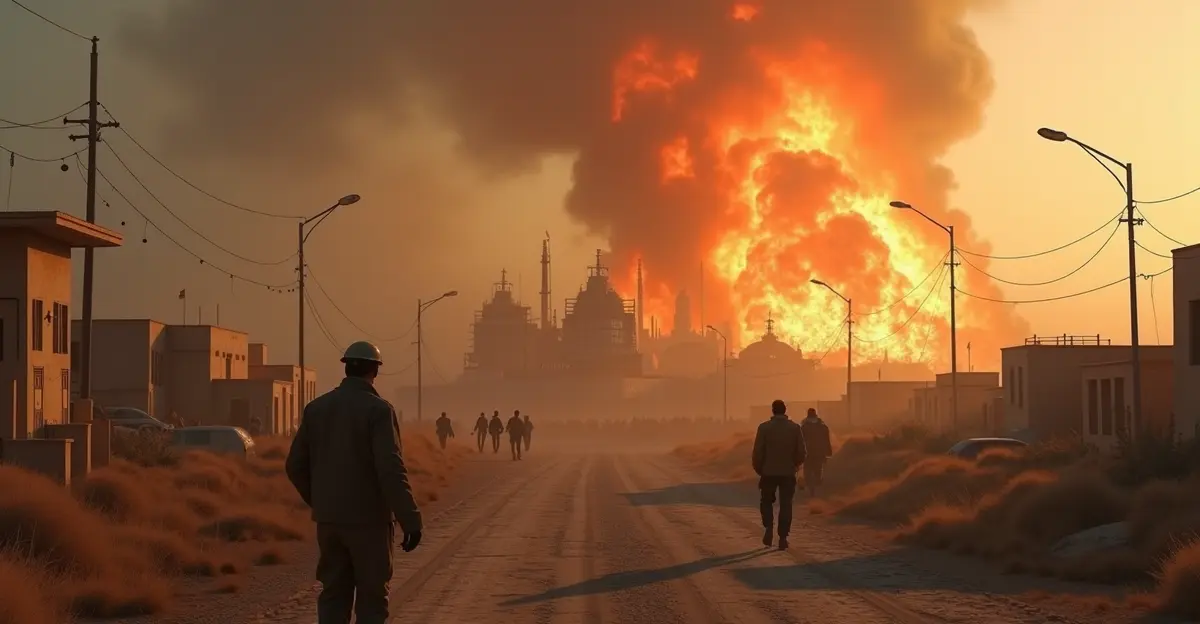
The Middle East has entered a dangerous new phase as the long-running proxy conflict between Israel and Iran has escalated into direct military confrontation, with recent airstrikes expanding the theater of operations to European soil. The June 2025 conflict, which lasted 12 days, represents a watershed moment in regional geopolitics, breaking decades of established deterrence patterns and creating ripple effects across global markets and communities.
The June 2025 Escalation
On June 13, 2025, Israel launched unprecedented large-scale strikes inside Iran, targeting nuclear facilities, military installations, and regime infrastructure. This marked the first time Israel had conducted such extensive operations directly on Iranian territory, breaking what analysts called a 'long-standing taboo' in regional conflict dynamics. According to the European Union Institute for Security Studies, the strikes killed top Iranian military leaders including IRGC head Hossein Salami and armed forces chief Mohammed Bagheri.
Iran responded with missile salvos that breached Israel's advanced defense systems, marking the most significant direct exchange between the two nations since the 1979 Iranian Revolution. 'This wasn't just another skirmish—this was a fundamental shift in how this conflict operates,' said regional security analyst David Cohen. 'Both sides crossed red lines that had stood for decades.'
Expansion to European Theater
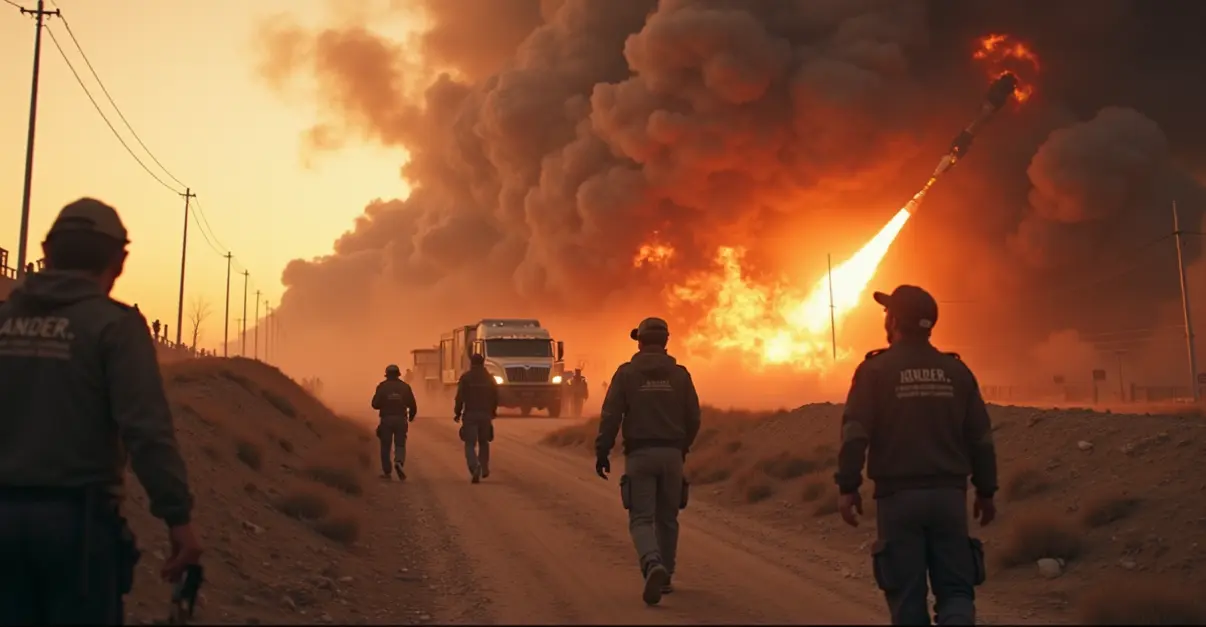
Recent intelligence reports indicate that the conflict has expanded beyond the Middle East, with airstrikes now occurring on European territory. While specific locations remain classified for security reasons, European governments have confirmed increased military activity and heightened security alerts across the continent. This expansion represents a significant escalation in the conflict's geographic scope, raising concerns about the potential for broader international involvement.
The Council on Foreign Relations notes that the United States joined Israel in striking three Iranian nuclear sites with bunker-buster bombs during the June 2025 conflict—the first time a U.S. president has directly attacked another country's nuclear program. This American involvement has complicated the conflict's dynamics and increased the risk of wider international escalation.
Market Impacts and Economic Consequences
The conflict has sent shockwaves through global markets, particularly energy markets. Brent crude oil surged 8-13% to between $75-78 per barrel immediately following the June strikes, according to analysis from the OSW Centre for Eastern Studies. European TTF gas prices also increased several percent as markets reacted to potential supply disruptions.
'Oil has transformed from a commodity into a barometer of geopolitical fear,' explained market analyst Sarah Johnson. 'Every escalation sends prices spiking, and with Iranian oil exports dropping from 1.7 million barrels per day to just 102,000, we're looking at serious supply constraints.'
The Forbes analysis warns that if the conflict damages critical Iranian infrastructure, oil could surge to $120 per barrel, pushing gasoline prices above $5 per gallon in many markets. This would create inflationary pressure worldwide, reducing consumer spending power and delaying business investments.
Regional Realignment and Security Concerns
The conflict has triggered a significant realignment of regional security arrangements. Gulf Cooperation Council states, particularly Saudi Arabia and Qatar, are now hedging their security partnerships and diversifying beyond traditional U.S. alliances. 'Regional actors fear being caught in future conflicts,' notes the EUISS brief. 'They're building relationships with multiple powers to ensure their security isn't tied to any single patron.'
Turkey has reportedly been planning a buffer zone inside Iran, while Azerbaijan recently foiled a plot against the Israeli embassy—indicating how the conflict is creating new security dynamics across the region. Israel is currently seeking a new 10-year security deal with the United States to solidify its strategic position.
Humanitarian and Community Impacts
Beyond the geopolitical and economic consequences, the conflict has created significant humanitarian challenges. The expansion of airstrikes to Europe raises concerns about civilian safety and potential refugee flows. European governments are preparing contingency plans for possible migration surges if the conflict continues to escalate.
Communities across the Middle East face increased instability, with the fragile ceasefire declared on June 24, 2025, lacking formal de-escalation mechanisms. 'The absence of proper ceasefire agreements means we're sitting on a powder keg,' warned humanitarian worker Maria Rodriguez. 'Any incident could trigger renewed hostilities with devastating consequences for civilian populations.'
Looking Forward: Policy Implications
The expansion of the Israel-Iran conflict represents a critical challenge for international policymakers. Europe faces particular vulnerability due to its reduced dependence on Russian energy, making it more susceptible to global market volatility. The Strait of Hormuz—which handles 30% of global oil and over 20% of LNG trade—remains a critical choke point that could be disrupted if the conflict escalates further.
Diplomatic efforts face significant hurdles, as the June 2025 conflict failed to bring Iran and the United States closer to a nuclear deal despite temporarily halting Iran's uranium enrichment. With no formal diplomatic channels between Israel and Iran, and regional actors pursuing independent security strategies, the risk of miscalculation remains dangerously high.
As the conflict expands geographically and intensifies militarily, the international community faces the urgent task of preventing a broader regional conflagration that could trigger cascading effects across global energy markets, migration patterns, and security architectures.